
HOT
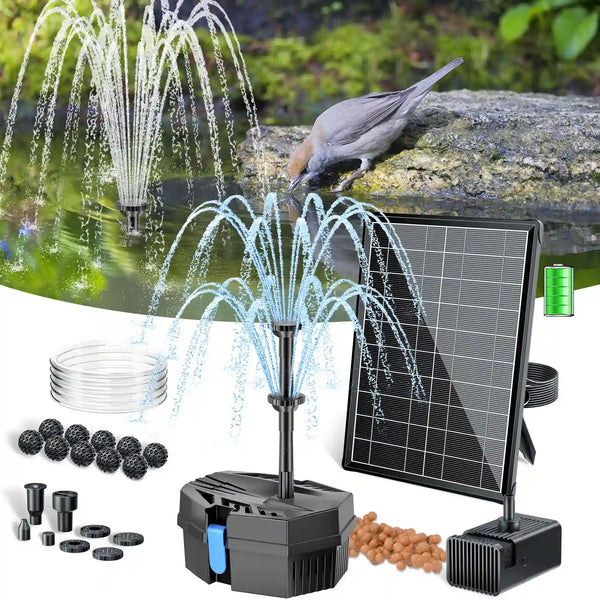

Shop POPOSOAP pond filters, filter pumps, all-in-one filter fountains, filter boxes, UV-equipped systems, and replacement media for garden and koi ponds. Compare solar and electric options by pond size, fish load, filtration stage, flow rate, and maintenance needs to build a cleaner, better-circulated pond.
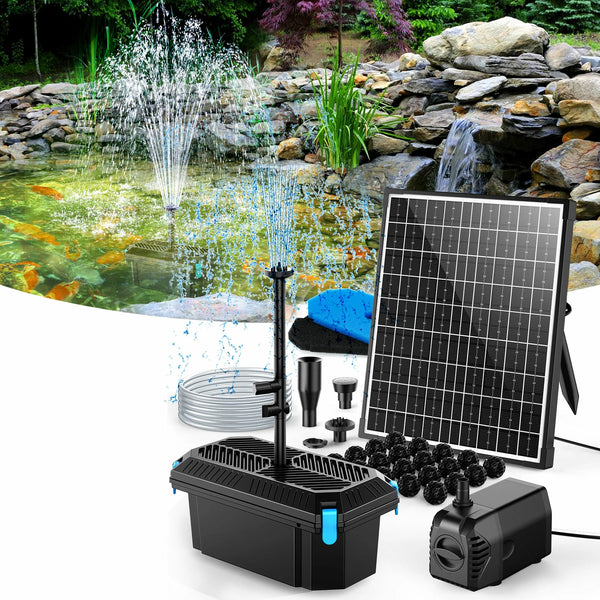
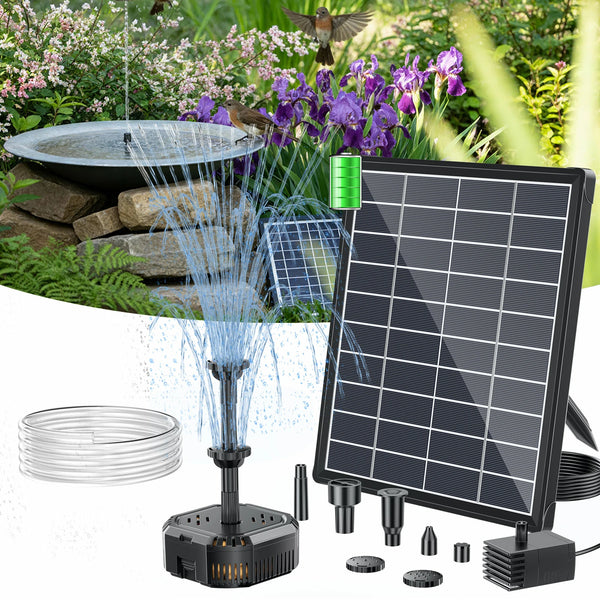
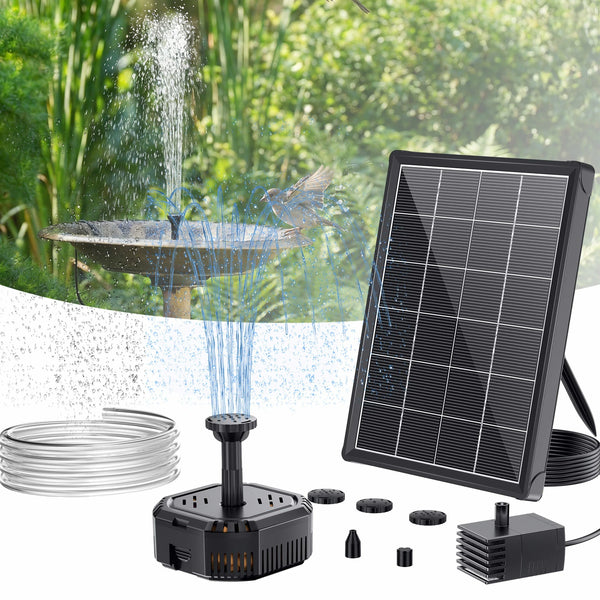
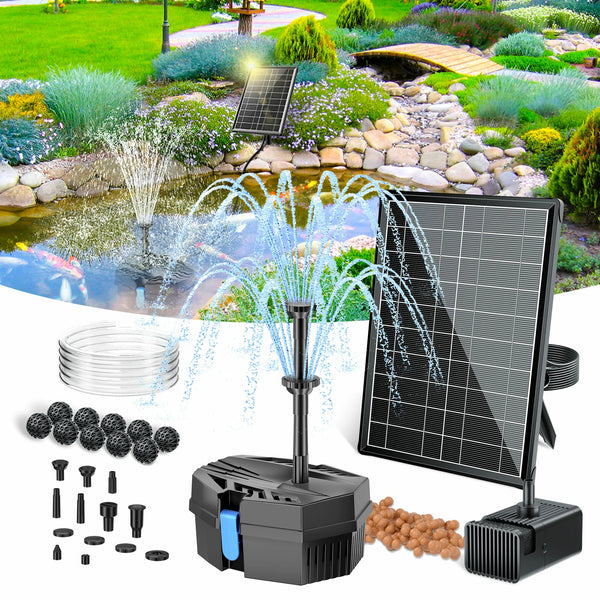
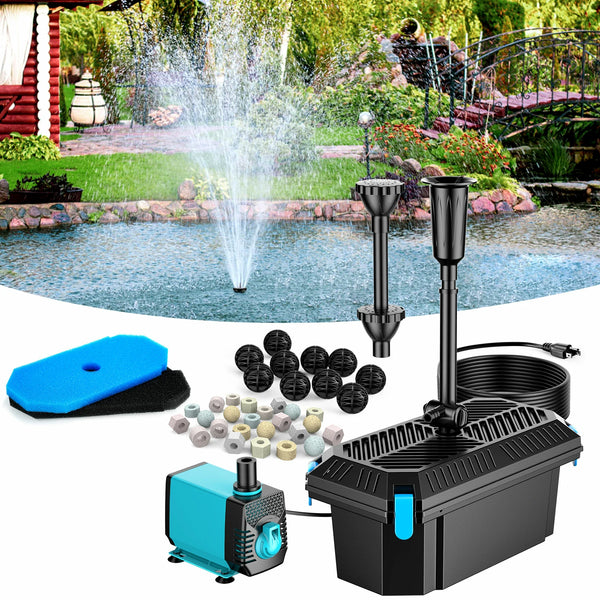
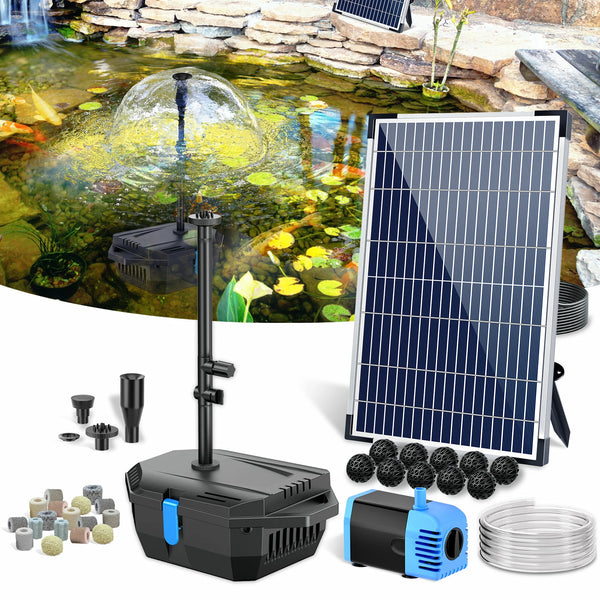
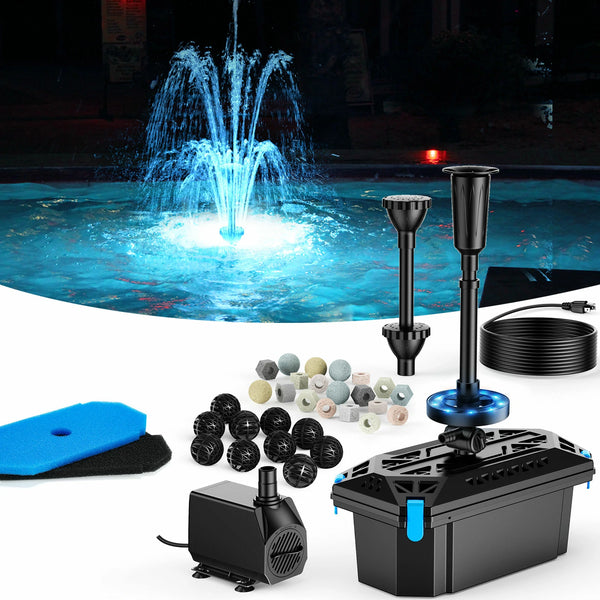
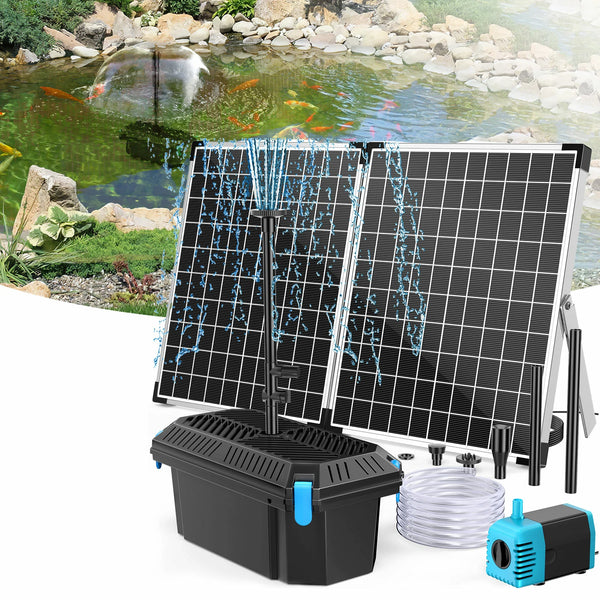
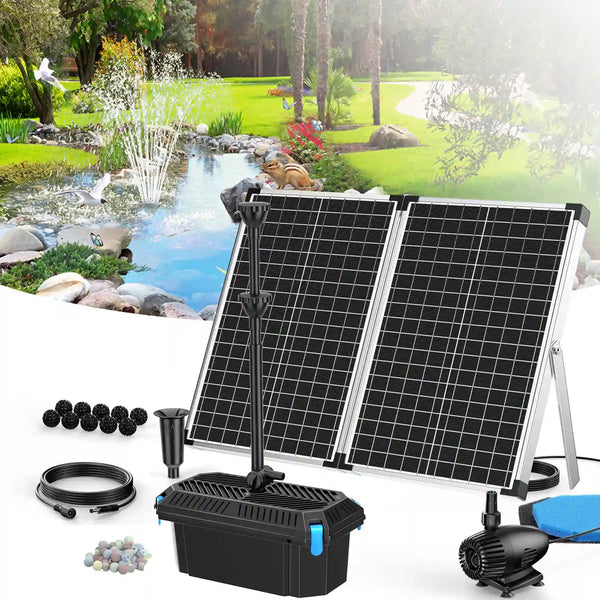
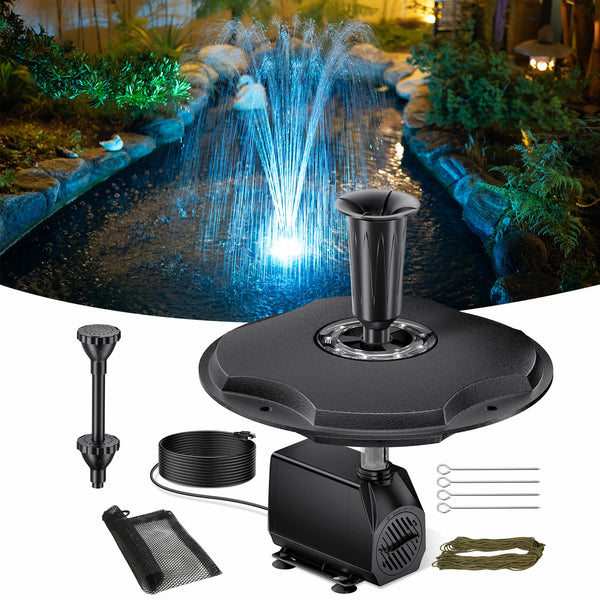
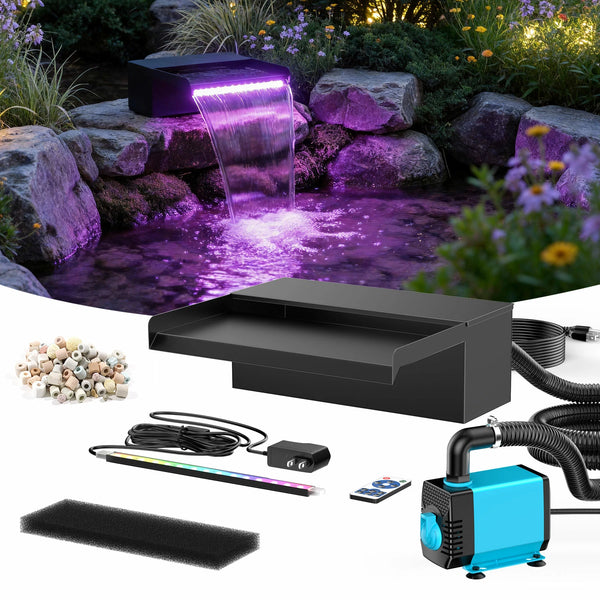
A pond filter system works best when its filtration method, pump flow, and maintenance schedule match the pond. Mechanical media catches leaves, fish waste, and suspended debris; biological media provides surface area for beneficial bacteria; and a UV clarifier can help manage suspended algae in compatible systems. For koi or a heavily stocked fish pond, account for fish load as well as water volume. Compare solar filter fountains for convenient daytime circulation, electric systems for steadier powered operation, and modular filter boxes when you want to pair separate components. Always confirm the product's stated pond capacity, head height, fittings, and media requirements before buying.

“Whether in IBC tanks or other pond systems, Poposoap's filters and related products can function and meet the needs of different breeding scenarios.”

“I have been using the POPOSOAP pond pumps, solar fountains and waterfall systems for some time now and I have been very impressed with the quality of the products. The products have helped me transform my garden and bring new water feature ideas to life.”

“Using PopoSoap waterfall has been a truly amazing experience. The elegant design, soothing sound, and calming flow bring peace to my space every day. Highly recommended!”

“I just Love Poposoap Waterfall Pond Filters, Dependable, Reliable and most importantly Affordable! Thank you Poposoap for keeping my Pond Crystal Clear, Healthy and my Fish Happy”

“The poposoap waterfall box is easy to install, made of quality materials, and provides excellent sound and filtration for my mini ponds. They are affordable, durable, versatile for a range of applications.”

“What I love about this brand of waterfall spillway kit is that the waterfall box is made of stainless, versus the plastic of some other brands. The pieces are durable and well made and the small, powerful pump ensures great water flow for the waterfall.”

“Easy setup with a good pump. This fountain was the perfect size for our backyard pond. It fit right into our smaller waterfall basin. We opted to place it in the water itself and not have it outside (and plan to cover it in decorative rock).Setup was easy and took about 30 minutes.”

“Definitely happy with this purchase. So I bought this for my 55 gallon outdoor patio pond that had a chronic algae problem. This is pretty big for that size pond, but it definitely does the job I needed it for. It has kept my pond clear and it's easy to clean.”

“When it's level it works best !!! Works great was missing pieces and the box was seal.”
Choosing, sizing, and caring for a pond filtration system
A pond filter helps remove debris and supports better water quality as water passes through filter media. Mechanical media traps solids, while biological media provides surface area for beneficial bacteria. Many systems pair the filter with a pump, and some add a fountain outlet or UV clarifier. Browse the full pond filter collection to compare configurations.
Common options include submersible filter boxes, above-ground filters, integrated pump-and-filter systems, filter fountains, and UV-equipped systems. They may use mechanical media, biological media, or both. POPOSOAP groups replacement media and related parts under filter components.
Mechanical filtration physically catches leaves, uneaten food, fish waste, and other solids. Biological filtration gives beneficial bacteria surface area to process dissolved waste compounds. Many pond filter systems combine both because they solve different parts of pond care.
No. A pump moves water, while a filter removes or processes material carried by that water. Some products combine the pump and filter in one housing; modular systems require compatible components. When pairing separate parts, confirm flow range, fitting size, lift/head height, and access for cleaning.
Start with actual pond volume, then consider fish load, feeding, sunlight, leaf debris, waterfall lift, and how often you can clean the media. Use the capacity and flow guidance on each product page rather than choosing by wattage alone. A heavily stocked koi pond can need more filtration than an ornamental pond of the same volume.
Prioritize adequate mechanical and biological filtration, accessible cleaning, dependable circulation, and capacity appropriate for the fish load. Koi produce substantial waste, so pond volume alone is not the whole sizing decision. For broader husbandry context, read Basic Rules of Keeping Koi and Pond Fish.
A solar pond filter can be useful where convenient daytime operation and reduced outdoor wiring are priorities, but direct-sun models change output with available sunlight. Electric systems are generally better suited to shoppers who need steadier powered operation and have a safe outdoor power source. Compare solar pond filters with electric pond filters.
It depends on the model, pond volume, fish load, and the amount of debris entering the water. An integrated filter fountain may be a practical all-in-one option for a compatible small or medium setup, while a fish-heavy pond may need more filter capacity. Compare the stated limits and filtration stages in the pond filter fountain collection.
A UV clarifier exposes passing water to UV light and can help control free-floating algae that causes green water. It does not physically remove leaves or settled waste and does not replace mechanical or biological filtration. Choose a UV-equipped system only after confirming its rated flow, pond application, lamp maintenance, and safety instructions.
Follow the individual product manual because placement differs by submersible, in-pond, and above-ground designs. Keep the pump intake clear, use the specified water depth and hose routing, and position serviceable parts where you can reach them safely. Protect electrical connections with outdoor-rated equipment and a code-compliant power setup.
Many established biological filtration systems benefit from consistent water flow, but operating requirements vary by design, season, power source, and manufacturer instructions. Direct-sun solar products may operate only when sufficient sunlight is available. Follow the manual for the exact system and never run a water-cooled pump dry.
Clean it when flow drops, the media is visibly loaded, or the product's maintenance schedule calls for service. The interval changes with fish load, feeding, algae, leaves, and filter size. Check the media frequently after installation and during seasonal debris peaks; the fish pond filter maintenance guide provides a useful starting point.
Reusable mechanical media can often be rinsed and returned until it is damaged, compressed, or no longer cleans effectively. Biological media usually lasts longer but should be replaced if it breaks down or the product instructions require it. Match replacement media to the filter model through the filter components collection.
The filter may be undersized, clogged, newly installed, bypassing water, or missing the filtration stage needed for the problem. Green water often involves suspended algae, while brown or cloudy water may involve fine debris or disturbed sediment. Check flow and media first, then use this pond algae guide to diagnose contributing conditions without assuming one product is a complete cure.
Turn off and isolate the system safely, then inspect the intake, impeller, sponge, tubing, fittings, and outlet for blockage or kinks. Also check water level and lift/head height against the product limits. If cleaning does not restore flow, review the manual and contact POPOSOAP support before replacing parts.
Winter care depends on local freezing conditions, pond depth, fish plan, and whether the product is rated to remain installed. Prevent trapped water from freezing inside housings or hoses, and never operate a pump in conditions prohibited by its manual. Clean, dry, and store removed equipment in a protected place, keeping applicable biological-media needs in mind.