

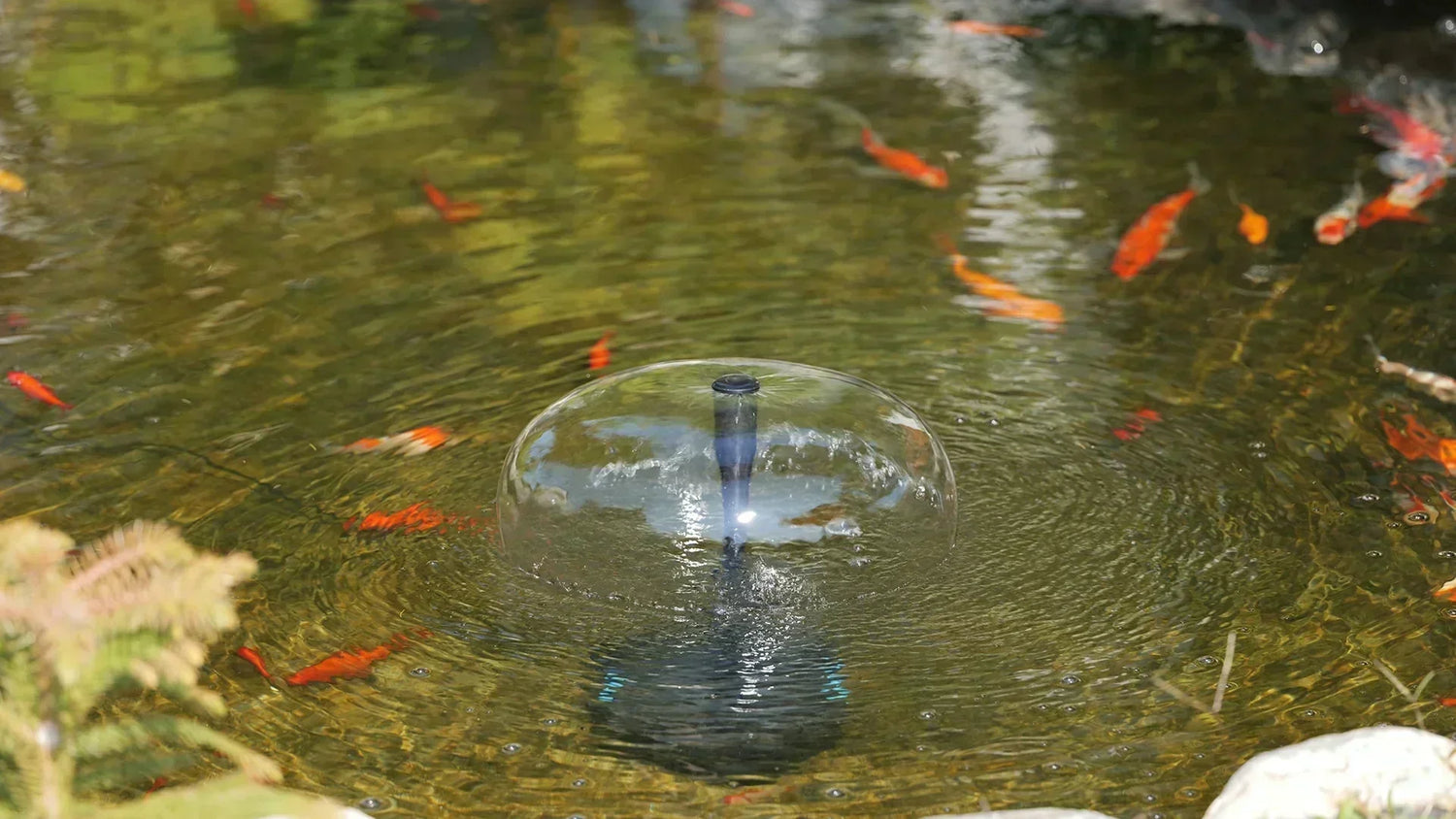
Imagine fish darting beneath lily pads, the sound of a waterfall in the background, and the fragrance of clean water filling the air. Such a peaceful, naturally balanced filtered pond in your own backyard is an achievable luxury. A well-maintained filtration pond not only looks lovely but also offers a healthy environment for fish and plants. However, this is difficult to achieve without the proper understanding of a pond filtration system. Such understanding is indispensable for establishing and maintaining a low-maintenance filtration pond system. It helps keep the pond clear and clean throughout the year.
The Importance of Pond Filtration
Pond filtration filters the water and helps keep it balanced and clear. Even with other essential elements like plants, fish, and aeration, pond filtration is an intrinsic part of the ecosystem. It plays a core role in keeping the system balanced. A lack of filtration allows debris, fish waste, and other organic materials to accumulate. This lowers water quality and can trigger algae blooms. It also creates an unhealthy environment for fish and plants.
There are three major types of pond filtration systems: biological, mechanical, and water clarifiers. Each filtration type serves a specific function. Finding the right balance among them is key to creating a healthy pond environment.
Biological Filtration
Biological filtration relies on beneficial bacteria to process organic waste in the pond. These bacteria convert toxic compounds like ammonia into harmless ones such as nitrates. These nitrates are then consumed by the aquatic plants in the pond, maintaining water quality. Biological filters are essential because they help create a balanced ecosystem. They do this by breaking down fish waste, leftover food, and other organic materials. If these materials build up in large quantities, they can degrade water quality. Biological filtration helps prevent that.
Mechanical Filtratio
Mechanical filtration, often done with a pond skimmer, physically removes debris such as leaves, twigs, and sediment. This prevents them from sinking to the bottom and decomposing. Systems like these help keep the pond aesthetically clean while reducing the organic load on the biological filtration system. Skimmers come in two main types: box skimmers and floating skimmers. Box skimmers are the most commonly used because they’re easy to maintain. They also do a great job of skimming debris off the surface.
Water Clarifiers
Water clarifiers use ultraviolet light to kill microscopic particles suspended in the water, such as algae and bacteria. For most ponds, biological and mechanical filtration systems are sufficient. However, water clarifiers can be useful if algae blooms become a recurring problem. Clarifiers work by passing water through a UV tube. The UV light destroys unwanted microorganisms. This helps keep filtered pond water clear and free from harmful particles.
How a Pond Skimmer Works

A pond skimmer is a crucial part of the mechanical filtration pond system and performs three essential functions. Its primary job is to remove floating debris before it sinks and decomposes. This helps prevent poor water quality. Another function of skimmers is to house the pond pump, keeping it hidden and protected from clogging.
Box skimmers are the most common type and are equipped with filter mats that trap fine debris. Horizontal filter mats are generally preferred because they are more effective and require less maintenance than vertical ones. As water enters the skimmer, larger debris is trapped in the skimmer basket. The water then passes through the mat and is pumped to the biological filter.
Biological Filtration: The Heart of the System
Biological filtration further cleans water that has already passed through the mechanical filter, promoting a healthy filtration pond ecosystem. Water enters the biological filter through a flexible pipe near the base, flowing upward through the filter media. This media provides a large surface area for beneficial bacteria to colonize. These bacteria help remove fine particles and break down organic waste.
As water builds up in the biological filter, it flows over the waterfall lip. This creates a natural waterfall effect. The waterfall adds beauty and also oxygenates the water. This helps keep oxygen levels healthy for fish and beneficial bacteria.
Biological filters vary in size, with some capable of handling pond volumes of up to 10,000 gallons. For larger ponds, multiple biological filters can be incorporated to ensure proper water treatment.
The Science Behind Pond Filtration
Mechanical and biological pond filtration systems both help process nutrients in a pond. They handle sources like fish waste, leaves, and uneaten food. They also help manage nutrients introduced through runoff. One of the most important compounds in a pond is ammonia, which is toxic to fish and contributes to algae growth. Biological filters are critical for reducing ammonia levels through a process known as nitrification.
Nitrifying bacteria, which populate the filter media, convert ammonia into nitrites and then into less harmful nitrates. These bacteria need oxygen to thrive. That’s why it’s important to keep the pond pump running continuously to help aerate the water. If the pump stops, the oxygen supply is cut off and beneficial bacteria can die. This may cause a sudden decline in water quality.
Although less toxic than ammonia, nitrates must also be controlled. They are removed from the water through de-nitrification. This process happens in low-oxygen or oxygen-free areas. Common examples include under gravel or within planter rock water-filtered zones. In these anaerobic areas, bacteria convert nitrates into nitrogen gas that escapes into the atmosphere. Aquatic plants also absorb nitrates, further assisting in balancing the water.
The Role of Aquatic Plants

Aquatic plants play a vital role in pond filtration by reducing nutrient levels and filtering sediments. They also absorb harmful compounds through phytoremediation. These plants act as natural filters, preventing algae growth by competing for nutrients. Without plants, excess nutrients can lead to unsightly algae blooms and murky water.
In addition to their filtration benefits, aquatic plants provide shade, shelter, and food for fish and other pond wildlife. Adding aquatic plants helps create a healthy, balanced filtration pond. It can also reduce the need for chemical treatments and manual cleaning.
Achieving a Low-Maintenance Pond
To achieve a low-maintenance pond, it’s essential to balance mechanical and biological filtration, plants, and proper aeration. Continuously circulating water through the filters will help maintain water quality with minimal effort. Plants, fish, rocks, and gravel work together to strengthen the pond’s natural ecosystem. This makes maintenance easier and helps keep the water clean and clear.
In a well-maintained filtered pond, your fish will be healthier and happier. With an efficient pond filtration system, you can also enjoy crystal-clear water without constant upkeep.
Conclusion
Pond filtration is the cornerstone of a low-maintenance ecosystem pond. Combine biological and mechanical filtration with aquatic plants to keep your pond clean and balanced year-round. Whether you’re new to pond ownership or an experienced enthusiast, understanding the basics of pond filtration is important. It can make a big difference. It helps you create a beautiful, thriving pond. You and your fish can enjoy it for years to come.
Achieve a Healthy, Low-Maintenance Pond with Poposoap!
At Poposoap, we offer a wide range of premium pond filtration systems, pond pumps, and water care solutions. They’re designed to help you maintain a balanced, healthy pond. Our products are designed to keep your water clear and healthy. They also help keep algae under control, supporting a thriving environment for both fish and plants.
Explore our selection of pond filtration solutions today, and enjoy crystal-clear water and minimal maintenance all year long!
(READ MORE: Filtration 101: Keeping Your Backyard Pond Clean With Complete Pond Filtration Guide)

P2300 40W 660GPH AC Pond Filter Fountain
$89.99
Keep your pond water clean and healthy with the P2300 AC pond filter fountain. A complete pond pump and filter system for effective, long-lasting pond filtration.
FAQs
Pond filtration removes debris, fish waste, and excess nutrients that would otherwise lower water quality. Proper filtration helps keep pond water clear, balanced, and safe for fish and plants while reducing algae growth.
The three main types are mechanical filtration, biological filtration, and water clarifiers. Mechanical filters remove debris, biological filters break down harmful waste, and clarifiers use UV light to control algae and microorganisms.
A pond skimmer removes leaves and floating debris before they sink and decompose. This reduces organic buildup, protects the pond pump, and improves overall filtration efficiency.
Yes. A balanced filtration system combined with aquatic plants and continuous water circulation helps control nutrients and algae, resulting in clearer water and a low-maintenance pond.

1 comment
michael r ashurst
5 and 1/2′×5 and 1/2 ’by 2 ’ 300 gal tub small waterfall into a 5 and 1/2×3 and 12 0 gallon tub. filter ideas
Leave a comment
All comments are moderated before being published.
This site is protected by hCaptcha and the hCaptcha Privacy Policy and Terms of Service apply.