

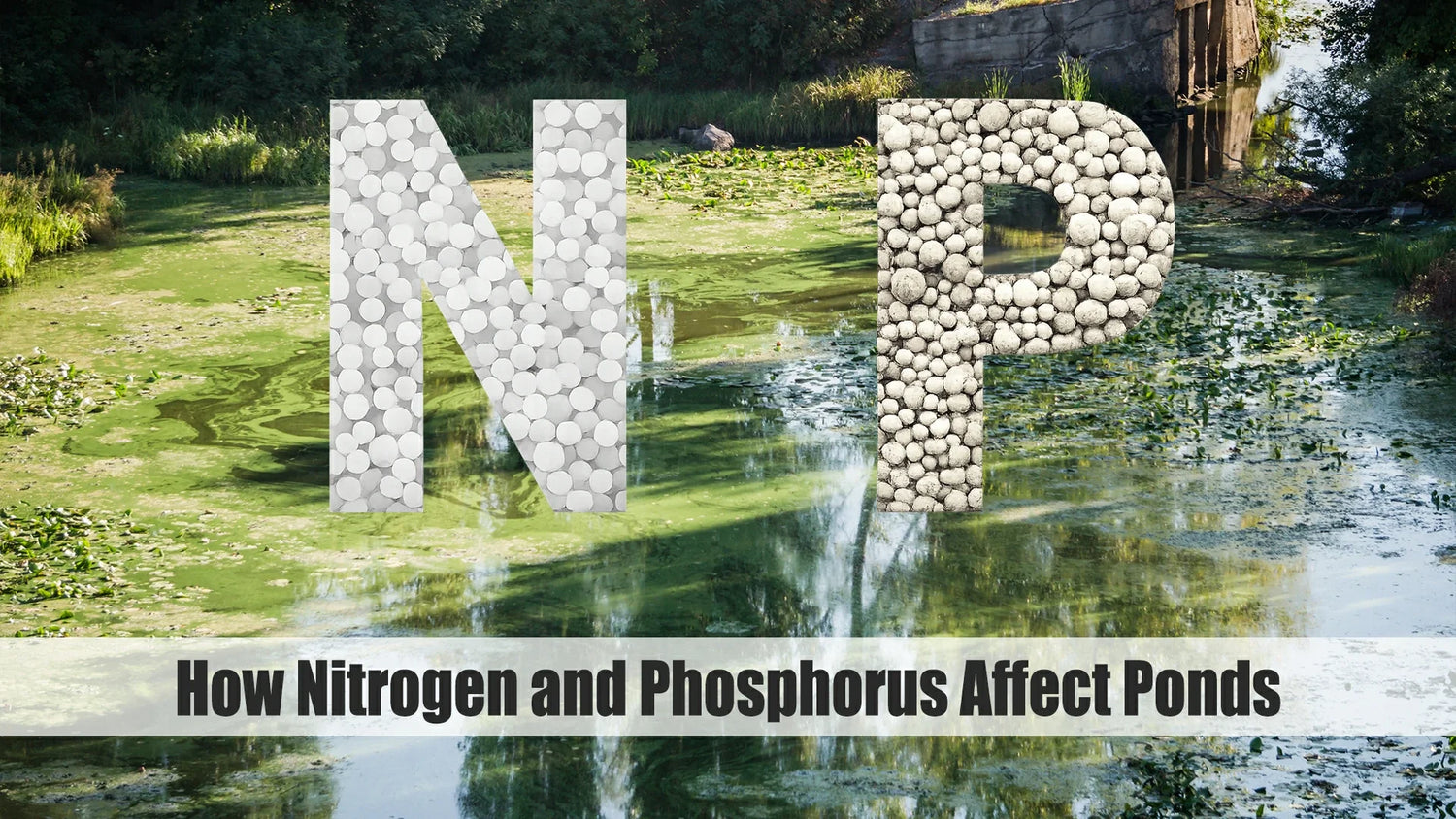
If you have ever struggled with recurring algae blooms, murky water, or frustrating pond maintenance issues, then you know firsthand just how frustrating a nutrient imbalance can be. Countless numbers of pond owners seek answers for why their water keeps turning green, why algae comes back even after cleaning, and why water quality worsens out of nowhere. In almost all cases, the same two nutrients are found to be the culprits: nitrogen and phosphorus.
One of the most powerful ways to restore clear, healthy, naturally balanced water is by understanding how nitrogen and phosphorus function in a pond---and how the pond nitrogen cycle works. If your pond is supported by a solar fountain, a waterfall kit, or even a biological filtration system, controlling the nutrients will be important for long-term water quality.
This guide breaks down the science in a simple, practical way and shows you how to reduce phosphorus in ponds, how to maintain proper nitrogen levels naturally, and how Poposoap's aeration and filtration systems help you keep your ecosystem stable.
Introduction - Why Nitrogen and Phosphorus Matter in Ponds
Nitrogen and phosphorus are nutrients that stimulate the growth of plants and algae. In nature, these nutrients occur in limited amounts and remain in a delicate balance. In a back-yard pond-especially one without adequate circulation or filtration-these nutrients can quickly build up.
When nitrogen and phosphorus levels get too high, the result is almost always the same:
- Algae blooms
- Green or cloudy water
- Low oxygen levels
- Fish stress or death
- Unpleasant odors
- Muck and sludge formation
Most pond owners see the symptoms but not the cause. This article helps you trace the problem back to nutrient overload and understand how to fix it naturally.

Understanding Nitrogen and Phosphorus in Ponds
What Nitrogen Does in a Pond
Nitrogen enters your pond through fish waste, decaying leaves, sludge, rainwater, and uneaten food. Nitrogen in its raw state can be toxic to fish, but it gets broken down by naturally occurring bacteria into safer forms. When nitrogen levels rise more quickly than bacteria can break it down, algae quickly take advantage.
What Phosphorus Does in a Pond
Phosphorus acts like a strong fertilizer. A tiny increase will trigger massive algae growth. Most phosphorus comes from runoff, soil erosion, decaying plants, and some fish foods.
A pond containing high levels of phosphorus is almost always tormented by algae blooms, despite the number of times removal is done manually.
The Pond Nitrogen Cycle Explained

The pond nitrogen cycle, sometimes referred to as the nitrogen cycle in ponds, is a natural process that breaks down wastes and keeps water safe for fish.
Here's how the cycle works:
1. Fish and plants produce ammonia
Ammonia is highly toxic and therefore must be processed as quickly as possible.
2. Beneficial bacteria convert ammonia into nitrites.
Nitrites are also harmful but part of the natural conversion process.
3. Other bacteria convert nitrites into nitrates
Nitrates are much safer but, in excess, feed algae growth.
4. Plants consume nitrates naturally
Aquatic plants help in completing the cycle by absorbing these nutrients.
When the nitrogen cycle cannot keep up-mostly due to poor aeration, limited filtration, or an excess of waste-the resulting imbalance feeds algae blooms and depletes oxygen levels.
It is in support of this cycle that Poposoap designs its pond filters and solar waterfall systems, ensuring better oxygenation and conditions for favorable bacteria to flourish.
How Nitrogen and Phosphorus Affect Pond Water Quality
High levels of nutrients start a chain reaction affecting the entire pond ecosystem:
1. Accelerated Algae Growth
Both nitrogen and phosphorus serve as fertilizer for algae. Excess nutrients lead to rapid blooms that cloud the water.
2. Oxygen Depletion
When algae die, they use up vast quantities of oxygen while decomposing. Low oxygen levels stress fish and can cause die-offs.
3. Poor Water Clarity
Nutrient-heavy ponds typically have murky or green-tinted water that never seems to clear.
4. Greater Sludge and Muck
More algae = more decomposition = more sludge at the bottom.
5. Odor Issues
Low oxygen conditions result in anoxic decomposition that emits sulfur-like odors.
Nutrient management is far more effective than repeated cleaning of the algae because pond health rapidly deteriorates once algae gain control.
How to Reduce Phosphorus in Ponds
One of the best long-term ways to control algae is by reducing phosphorus. Following are effective methods you can use right away:

1. Increase Aeration and Water Movement
Stagnant ponds trap phosphorus.
Solar fountains, floating fountains, and waterfall kits all help to circulate the water and oxygenate the pond, hence evenly distributing nutrients for natural processing.
Energy-efficient fountains by Poposoap are ideal for maintaining circulation in small and medium ponds without electricity.
2. Limit Runoff
Soil, fertilizer, and lawn chemicals introduce large amounts of phosphorus. Proper edging, plants, or gravel borders help prevent runoff from entering the water.
3. Remove Dead Plants Immediately
Decaying vegetation releases phosphorus into the water. Routine trimming minimizes nutrient spikes.
4. Add Aquatic Plants
Floating and submerged plants absorb phosphorus before algae can use it.
5. Reduce Feeding of Fish
As uneaten food quickly decomposes, it adds phosphorus to the pond.
6. Employ a Biological Filtration System
A filtration system that promotes beneficial bacteria breaks down the waste before it can become a source of phosphorus.
Poposoap pond filter kits contain multi-stage filtration designed to purify water and reduce nutrient load.
Natural Ways of Balancing Nitrogen Levels

1. Keep Water Circulating
Running water helps to complete the nitrogen cycle by supporting bacteria. Solar fountains and waterfall kits work particularly well for this purpose.
2. Add Beneficial Bacteria
Bacterial blends represent a completely natural means to accelerate ammonia and nitrate processing.
3. Increase Live Plant Coverage
These plants compete with algae for nitrogen and nitrates.
4. Organic Waste Reduction
Regularly remove leaves, sludge, and any uneaten food.
5. Enhancing Filtration
A powerful pump and filter together prevent organic waste from decomposing at the bottom.
Poposoap's pond filter systems are designed to enhance biological filtration and support a stable nitrogen cycle.
Conclusion - Balancing Nutrients for a Healthy Pond
Nitrogen and phosphorus are essential components of a pond ecosystem; however, they must occur in the right amounts. With the accumulation of these nutrients, algae grow much more rapidly and water clarity decreases, making management of the pond more difficult. By gaining insight into nutrient cycles and creating natural solutions-particularly aeration and filtration-you can balance your pond and keep it clear all year-round. Our eco-friendly fountains, pond filters, and waterfall systems at Poposoap are designed to improve circulation by supporting beneficial bacteria and naturally helping nutrient levels remain stable.
READ MORE: How to Get Rid of String Algae

P2326D 40W 660GPH AC Pond Filter Fountain with Light
$89.99
Keep your pond water clear with the P2326D AC pond filter fountain. Includes pump, multi-stage filtration system, and built-in light for night beauty.
FAQs About Nitrogen and Phosphorus in Ponds
When in excess, they feed algae and cause water quality problems.
Yes, balancing nutrients, improving circulation, and adding plants are highly effective.
Runoff, decaying plants, fish food, and sludge buildup.
Oxygen, useful bacteria, and moving water constantly.
Yes, solar fountains, pond filters, and waterfall kits enhance oxygenation, thereby supporting bacteria to break down harmful nitrogen compounds into safer forms.


Leave a comment
All comments are moderated before being published.
This site is protected by hCaptcha and the hCaptcha Privacy Policy and Terms of Service apply.