


The electric bill thuds into your mailbox, and you experience a familiar shock. How can a small backyard pond use so much electricity? It's hard to believe, but it can happen. With pumps, filters, lights, and waterfalls, even a hobby-sized water garden can suck more power than a fridge. The good news? You can slash those kilowatts—often by 50 percent or more. And you won’t have to compromise water clarity, fish health, or the calming soundtrack of running water. The solution is to cut excess equipment and right-size the remaining components. Replace energy-guzzlers with Poposoap's solar-powered substitutes.
Introduction: Cut the Clutter, Cut the Cost
Most ponds don't start out as money pits. Over time, we add a more brilliant light here and a larger pump there. Maybe we even add an additional UV clarifier "just in case." These small changes gradually increase energy usage. Each gizmo seems insignificant—until they all whir together 24-7. Streamlining your pond equipment isn’t about eliminating features. It’s about optimizing what you have. A smaller set of smarter devices can handle the tough tasks more efficiently. The reward appears every month in smaller bills and reduced maintenance headaches.

Understand Which Pond Equipment Uses the Most Energy
1. Continuous-duty pumps
Standard AC waterfall or filtration pumps often draw 40–90 watts. Running all day, a 60W unit burns about 44 kWh per month. That’s a hidden cost of $9–$15 on many utility rates. It adds up over time without you even noticing.
2. External pressure filters with UV
UVC lamps add another 10–40 watts. Worse, many owners forget to switch them off once algae season passes.
3. Halogen or incandescent pond lights
A string of three 20 W bulbs left on each evening can exceed the consumption of the pond’s circulation pump.
4. Over-sized aerators
High-output air pumps designed for koi farms gulp 30 W or more. In lightly stocked garden ponds, they’re serious overkill.
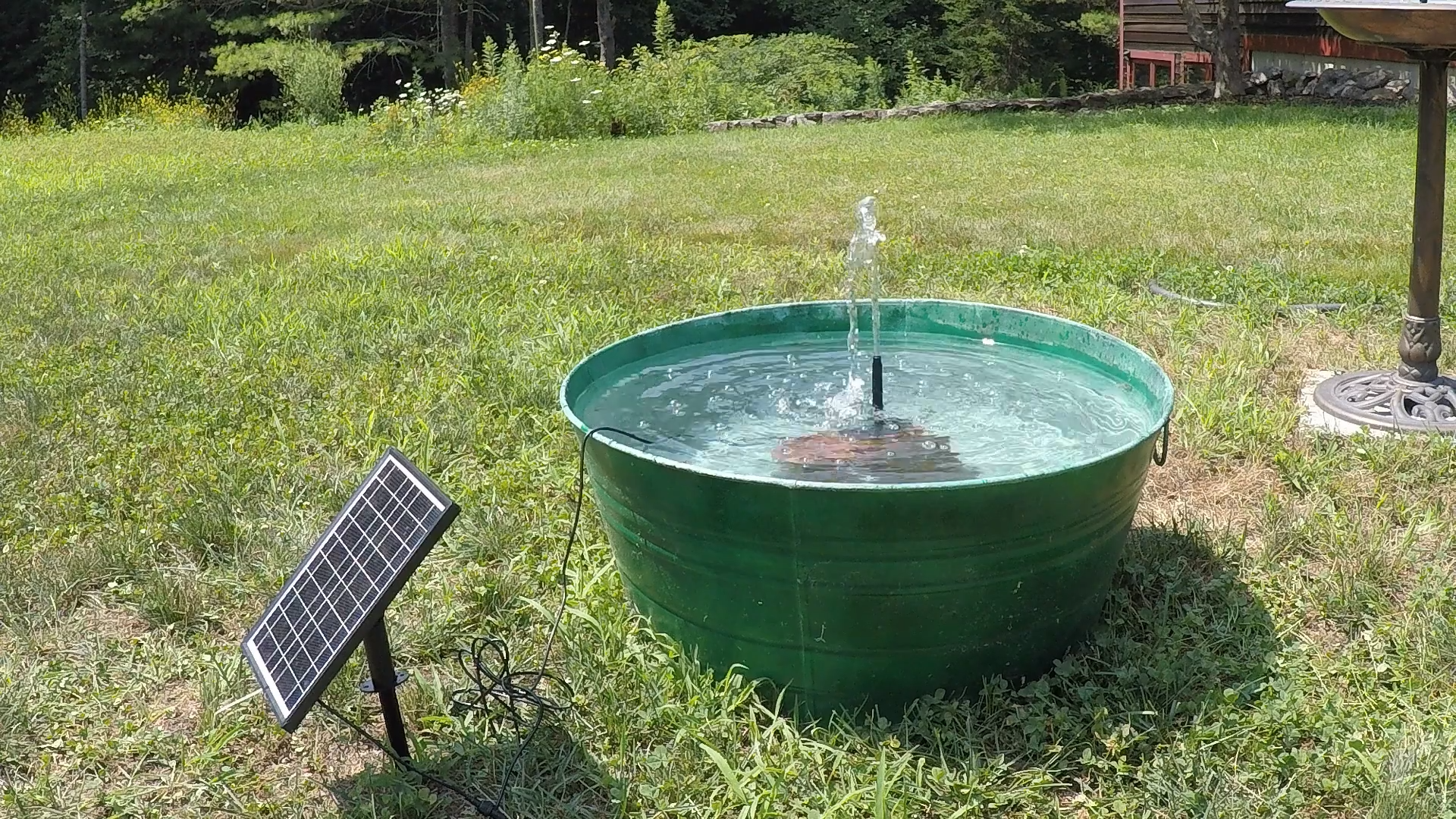
Poposoap’s latest fish pond equipment is more efficient. Solar fountain pumps (10–25 W panels, brushless DC motors) and all-in-one solar pond filters draw power only when the sun shines. They can also rely on a built-in battery that recharges for free. Even their AC units focus on right-sizing. A compact 40 W pond filter kit can handle 600 gallons. This is achieved without the 100-plus-watt appetite of commercial units. It’s a more energy-efficient solution.

Step-by-Step: How to Simplify Your Pond System
Step 1 – Audit Every Plug
Spend one afternoon unplugging each device, reading its wattage plate, and noting run-time. Many hobbyists discover duplicate pumps pushing water through the same biofilter, or a forgotten UV barrel running year-round.
Step 2 – Eliminate Redundancies
If you have a waterfall pump and a filter pump, test whether the waterfall flow alone achieves your turnover goal. For koi ponds, aim for once per hour. For wildlife ponds, aim for once every two hours. One correctly sized line often replaces two.
Step 3 – Downsize With Solar Swaps

Replace AC circulation units up to about 300 gallons with a Poposoap Solar Fountain Pump. Models from 10 W to 25 W move 120–320 GPH—plenty for small to medium features. For filtration, pair it with a Poposoap 20 W Solar Pond Filter. It combines mechanical sponges and bio-media in one sun-powered box. Larger ponds can use a solar pump by day and a smaller, efficient AC pump on a timer for nights—still halving daily consumption.
Step 4 – Convert Lighting to LED Solar
Swap halogen spotlights for Poposoap RGB Solar Pond Lights. They charge by day, glow automatically at dusk, and shut off before dawn, eliminating phantom loads.

Step 5 – Add Battery Back-up Selectively
For ponds stocked with valuable koi, combine a solar pump with a Poposoap 4400 mAh Battery Pack. The battery kicks in after sunset or during storms, ensuring oxygen without grid draw. Because it powers only a high-efficiency DC motor, a single charge can bridge most cloudy spells.
Energy-Saving Tips for Pond Owners
- Dial back flow rates. Most koi thrive at 1–1.5 total pond turnovers per hour. Pushing double that rate wastes energy and strips plants of CO₂.
- Run UV only when water blooms.Install the lamp on a dedicated switch or smart plug. Algae typically spikes for a few weeks in spring and late summer. It doesn’t occur year-round.
- Use gravity where possible. Placing the filter slightly above water level allows clean water to return via gravity. This lets the pump fight only the rise to the filter, not the entire waterfall lift.
- Shade the water. Floating lilies or a Poposoap floating fountain reduce solar gain. This keeps the water cooler and oxygen levels higher, allowing you to run aerators less.
- Set timers for lights. Even solar LEDs benefit from limits; cutting two hours per night can double battery life, extending component lifespan.
How Much You Can Save (Example Calculations)
Scenario A – Traditional Setup
- 60 W AC pump, 24 h/day → 43.2 kWh/mo
- 18 W UV, 24 h/day → 13 kWh/mo
- 3 × 20 W halogen lights, 6 h/night → 10.8 kWh/mo
- Total: ≈ 67 kWh monthly
- At $0.23 per kWh (typical U.S. summer rate), that’s $15.41 every month—or $185 per year.
Scenario B – Simplified Solar Hybrid
- Poposoap 20 W Solar Pond Filter: 0 kWh grid power
- Poposoap 4400 mAh battery (charging from the panel) keeps flow overnight: 0 kWh grid power
- Poposoap LED solar lights, 5 h/night: 0 kWh grid power
- Backup 25 W AC pond pump on timer, 8 h/night (coolest hours): 6 kWh/mo
- New Total: 6 kWh monthly → $1.38 per month, $16.50 per year
Annual savings: roughly $170—and that’s on a single 600-gallon pond. Larger systems with two or three pumps can save several hundred dollars each year. They do this by following the same simplification playbook. It’s an effective way to reduce costs.
Conclusion: Smarter Ponding for Lower Bills
Electricity doesn’t have to be the hidden cost of backyard water bliss. By auditing gear and trimming duplicates, you can reduce energy use. Leaning on Poposoap’s line of solar pumps, filters, and lights, you turn your pond into a self-sustaining oasis. It goes from a power sponge to an eco-friendly haven. The payoff isn’t just a smaller bill. It’s quieter operation and fewer tangled cords. You’ll also enjoy the satisfaction of knowing that sunlight, not fossil fuel, is driving the gentle current. This current keeps your fish healthy and your water sparkling.
Cut the clutter, cut the cost, and enjoy a simpler, smarter pond all year long.
(Related reading: How Can Poposoap Solar Powered Water Pump Save Energy and Reduce Carbon Emissions?)

20W 280GPH Solar Water Fountain Pump
$99.99
Enjoy the best solar powered fountain for home gardens. This 20W adjustable pump delivers 280GPH flow—perfect for ponds, birdbaths, and patios.
FAQs
Yes! Poposoap solar pumps work on cloudy days, although the water flow may decrease. For stable output, choose a model with a built-in backup battery.
Start by auditing your equipment, eliminating redundancies, and replacing energy-guzzlers with solar-powered alternatives like Poposoap's pumps, filters, and lights.
Yes! You can downsize by choosing the right-sized solar pump, which can efficiently handle your pond’s flow rate and reduce energy consumption.
It's best to clean your pump every 1-2 weeks, remove leaves, and ensure that the solar panel receives direct sunlight to maintain optimal performance.

Leave a comment
All comments are moderated before being published.
This site is protected by hCaptcha and the hCaptcha Privacy Policy and Terms of Service apply.