

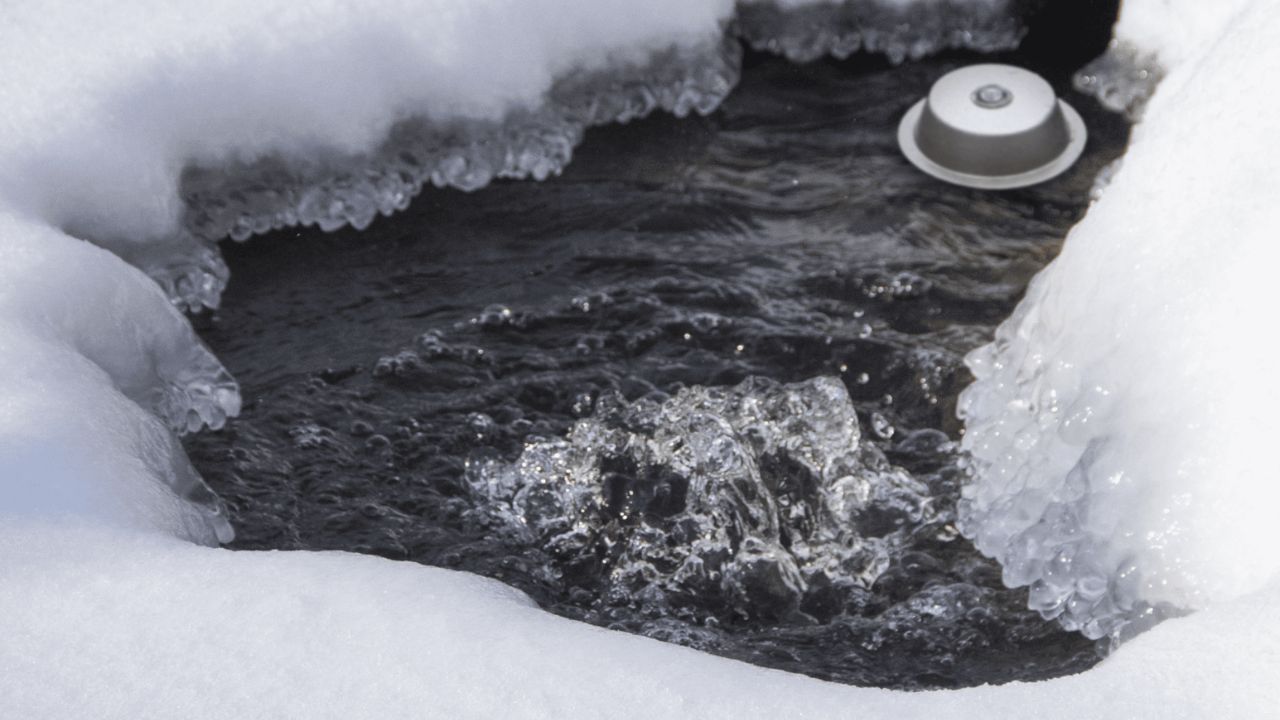
A frozen pond looks beautiful. But it hides dangers. The ice traps toxic gases underneath. This can starve fish of oxygen. It also puts pumps and liners at risk. Learning how to stop a pond from freezing is key. It can mean the difference between a healthy water garden and a winter disaster. Below are six proven strategies—ranked from “plug-and-play” gadgets to permanent design tweaks—plus a short list of mistakes to avoid. Whenever a product can make life easier, Poposoap’s solar-powered gear offers hands-free protection. It stays true to the brand’s promise of being hassle-free.
Why You Need to Stop Your Pond from Freezing

Ice is beautiful but deadly. A complete seal traps carbon dioxide and hydrogen sulfide from rotting leaves, driving dissolved oxygen below safe levels. Thick ice also keeps you from reaching a stalled pump, and sudden freeze-thaw cycles can crack liners. If you want every fish, plant, and piece of equipment to greet you in spring, you must keep pond from freezing solid.
Understand the Science: Why Ponds Freeze
Water is densest at 4 °C, below that temperature, cooler water floats to the top and freezes. In deep lakes the ice layer insulates life below. In a small backyard basin, however, that insulating lid forms quickly while oxygen runs out just as fast. Your winter game plan is to keep at least one “breathing hole” open and maintain gentle circulation so gases can escape.
For more on how winter conditions affect pond ecosystems and strategies to maintain oxygen and health under ice, check this guide from Michigan State University Extension.
Method 1: Use a Floating Pond De-Icer or Heater

A thermostatic heating disk floats on the surface, maintaining a dinner-plate-sized opening even during prolonged cold snaps. Drop a 300 W unit into ponds under 4 000 L; scale up for larger basins.
Pros: instant, reliable, little installation fuss.
Cons: run continuously and do nothing for circulation—expect a noticeable energy bill.
Treat a heater as backup rather than your sole defense.
Method 2: Keep Water Moving with a Pump or Fountain

A vertical plume draws slightly warmer bottom water upward, melting ice in a doughnut the width of the spray. Crucial detail: keep flow gentle—violent splashing can super-cool the pond.
Solar simplicity: the Poposoap solar powered water fountain produces low-bell or bubbling patterns powered entirely by daylight. The brushless DC motor sits underwater, where temperatures hover around 4 °C. The open-cage intake can be easily clicked apart, allowing for glove-friendly cleaning. No mains cable means no GFCI trips during sleet.
Placement tip: Anchor the fountain on the leeward side. This helps prevent prevailing winds from blowing spray outside the liner. It’s a common mistake that newcomers make. Often, this results in accidentally draining ponds overnight.
Method 3: Add an Air Pump or Aerator

Diffused air bubbles agitate the surface and deliver oxygen where fish need it.
- Grid-tied gardens can use any outdoor-rated linear diaphragm pump.
- Off-grid sites benefit from the Poposoap Solar Pond Aerator. The panel powers intermittent winter bubbling, raising oxygen whenever the sun appears—no extension cords sneaking under snow. Position the air stone on a mid-depth shelf, never at the deepest point, to preserve the warm bottom layer.
Method 4: Remove Snow and Debris

A six-inch blanket of snow blocks sunlight that might otherwise melt a breathing hole. Brush snow off after every storm. Skimming autumn leaves before the first freeze reduces the organic load. This load rots and takes away oxygen all winter. By doing this, every other tactic on this list works better.
Method 5: Cover the Pond with a Tent or Frame

Erect a lightweight greenhouse frame and drape it with clear poly sheeting. Passive solar gain keeps water 3–6 °C warmer and shelters equipment from wind-chill. Leave small vents at the top ridge so humid air can escape.
Method 6: Build Your Pond Right for Winter

Good design is the only solution you install once and forever.
- Depth of at least 75 cm in zones hitting –10 °C and 90 cm where –20 °C is routine.
- Steep sides minimize shallow shelves that freeze solidly and discourage wading predators.
- A dedicated deep sump gives koi a thermal refuge.
- A bottom drain feeds a pre-filter, allowing you to circulate a trickle. This setup lets you keep the water moving even in January. The main pump remains protected and is not exposed.
Bonus: What NOT to Do
- Do not smash ice with hammer pressure waves can rupture fish swim bladders.
- Do not pour boiling water—rapid thermal shock cracks liners.
- Do not keep waterfalls running, water super-cools the pond and may splash out, lowering water levels.
- Do not continue feeding once temperatures stay below 10 °C; undigested pellets rot and spike ammonia.
Poposoap Recommendations and Final Thoughts

If you want better circulation and to prevent ice, consider a Poposoap Solar Powered Water Fountain. This option can help you avoid high electric bills in winter. It uses 10–25 W, runs on daylight power, has a bell spray, and costs nothing to run. For off-grid aeration, the Poposoap Solar Pond Aerator supplies gentle bubbles that prevent oxygen crashes. Connect either device to the Poposoap pond pump and filter. It has a stainless pre-screen, layered foams, and bio-ceramic rings. This setup keeps debris out of the pumps. It also helps maintain slow nitrification, even in very cold temperatures. All units share rugged ABS shells and snap-apart housings, so you can service them without removing bulky gloves.
Bottom line: To keep a pond from freezing, use smart methods. Combine circulation, oxygenation, insulation, and good maintenance. Choose tools that match your climate and budget. Add an energy-saving Poposoap Solar Powered Water Fountain or Solar Pond Aerator. This will help you keep a healthy gas-exchange hole all season long. Come Spring, your fish—and your wallet—will thank you.
(Related reading: How to Protect Your Poposoap Solar Bird Bath Fountain in Winter)

45W 660GPH Floating Fountain with LED Light
$129.99
Upgrade your pond with this 45W floating fountain. 660GPH pump with bright LED lights creates a stunning illuminated water feature for large outdoor ponds.
FAQs
Yes! Poposoap solar pumps work on cloudy days, although the water flow may decrease. For stable output, choose a model with a built-in backup battery.
Absolutely — they use low-voltage, fish-safe, animal-friendly motors. Birds, koi, plants and backyard wildlife are completely safe.
Clean the pump every 1-2 weeks, remove leaves, and ensure the solar panel faces direct sunlight. Maintenance usually takes less than 30 seconds.


Leave a comment
All comments are moderated before being published.
This site is protected by hCaptcha and the hCaptcha Privacy Policy and Terms of Service apply.