

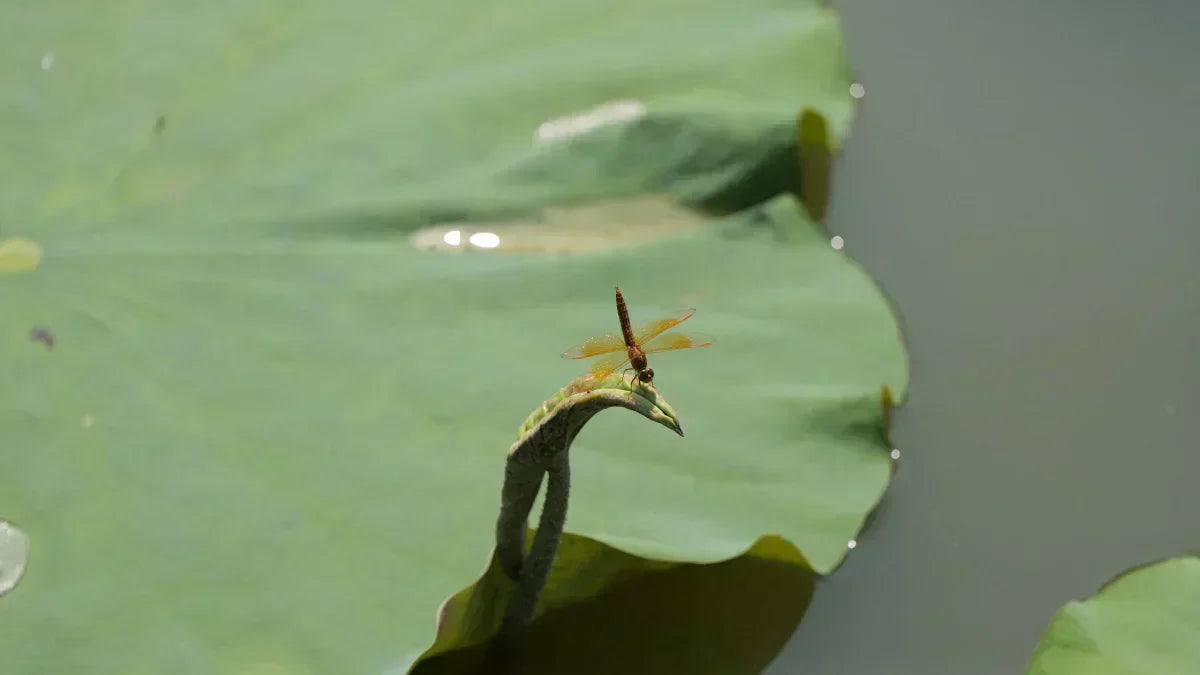
There is something timeless in the flash of a dragonfly flying over still water. For some gardeners, these flashing visitors are not just beautiful—yet as well, a predictor of the health of the garden's ecosystem. A dragonfly garden is a garden in which nature appears to be thriving and in equilibrium: fewer mosquitoes, more pollinators, and a subconscious sense of movement and calm.
If you've ever wished your pond could attract more dragonflies, you're not alone. With the right plants, clean water, and eco-friendly design, your outdoor space can become a true dragonfly haven. Inspired by Poposoap's philosophy of ecological balance and natural beauty, this guide explores how to build and maintain a water garden that welcomes these graceful hunters while keeping your pond healthy and sustainable.
1. Why Dragonflies Are Good for Your Garden
Dragonflies aren't all flash—they're the pest control team of the wild. A single adult dragonfly will eat between hundreds of mosquitoes in a day, making them some of the most effective natural ways to fend off pests. Their larvae, or "nymphs," live in ponds and feast on mosquito larvae, maintaining the balance in the ecosystem before they even grow wings.

But beyond their uses, dragonflies symbolize change and balance—something that every good garden has. With dragonflies around, it means your pond water is clean, well-oxygenated, and full of life.
Building an attract dragonflies pond is more about cooperating with nature than trying to fight it. That's where companies like Poposoap step in. Their solar-powered fountains and filtration systems circulate water naturally without harming sensitive wildlife. Ongoing circulation deters mosquito breeding while oxygenating water for aquatic creatures, creating a starting point for a dragonfly-friendly pond.
2. Plants That Attract Dragonflies
Dragonflies need vegetation and water for survival. The best dragonfly plants serve two purposes: creating a resting place for adults and hiding places for larvae beneath the water surface.
Emergent plants (semi-submersed):
They are required for breeding dragonflies. Cattails, rushes, and pickerelweed offer areas where dragonflies can land and deposit eggs safely at the water level.
Floating plants:
Water lilies and water hyacinths shade, regulate water temperature, and offer nymphs a place to hide. They also prevent algal growth and ensure the pond is algae-free.
Marginal vegetation:
Sweet flag grasses and sedges form the periphery, creating a resting and feeding place for adults.
Terrestrial plants near-by:
Bloom crops such as lavender, coneflowers, and yarrow attract small insects, serving as food for dragonflies.
According to the Poposoap Product Manual, mixing aquatic plants with proper filtration creates a self-sustaining ecosystem. Their filter media and solar pumps are simple to reuse, and the solar energy keeps the water new and oxygenated—the secret to each and every healthy dragonfly garden.
3. Pond Features They Love
Dragonflies are drawn to peaceful or slowly circulating water. Too much turbulence will send them scurrying, but soothing ripples and circulation mimic their natural habitats beautifully.
Soft solar fountains:
A fountain powered by sun, like Poposoap ones, creates soft water flow that enhances oxygenation without excessive splashes. They work quietly and unobtrusively, being energized by sunlight only. They distribute water to maintain the pond clean without stagnating, nourishing fragile dragonfly larvae.

Shallow edges and rocks:
Flat rocks at the perimeter of the pond create a place for dragonflies to land and heat up on in the morning sunlight. Slopes also enable the simple exodus of emerging dragonflies from the water.

Oxygenated water:
Dragonfly nymphs need well-oxygenated environments. Poposoap's solar aerators and filter systems deliver this naturally, with low maintenance, while allowing aquatic insects and amphibians to thrive.
Sunny spots:
Dragonflies adore the sun. Place your pond to receive at least 5–6 hours of direct sunlight per day. Avoid shaded sites where water is cold or stagnant.
By bringing together sunlight, native flora, and a long-term filtration system, you're not merely building a pond—you're constructing a microhabitat that dragonflies (and many other beneficial species) can live in.
4. Avoid Pesticides
It's tempting to reach for pesticides when mosquitoes or algae appear, but chemicals can disrupt the balance of your pond and harm the very creatures you're trying to attract. Dragonflies, frogs, and other beneficial insects are highly sensitive to toxins.
Instead of using chemical treatments, take an eco-first approach:
- Promote circulation: Running water from a solar fountain prevents mosquito larvae from settling.
- Add fish: Small fish like guppies or mosquito fish will graze larvae before they mature.
- Add beneficial bacteria: These help break down organic waste that is consumed by algae, keeping the ecosystem healthy.
- Shade the surface: Floating plants help to reduce sunlight exposure, slowing algae growth naturally.
- Regular cleaning: Poposoap recommends cleaning filter sponges and checking solar panels monthly—little things that mean a lot to long-term pond health.
They are just right for Poposoap's mission—combining eco-consciousness with low-maintenance. Their solar-powered kits eliminate electricity and chemicals, letting nature do most of the job.
5. Real Garden Stories
Across the world, miniature pond garden owners are discovering that dragonflies begin to show up just when water quality has become better. It is proof that nature responds quickly if given the right environment.
A California gardener wrote in that once she installed a Poposoap solar fountain, her stagnant pond came alive with glints of life. Two weeks later, dragonflies started visiting daily. "They flutter over the water every morning," she wrote. "It's like having my own nature show."
In the UK, one user combined Poposoap's filter box with native plants like iris and marsh marigold. "The water stayed so clean that I could see dragonfly nymphs on the stems," he noted. "By midsummer, there were adults everywhere."
These stories ring true to a deeper truth—when you create a clean, balanced environment, life comes back on its own. The hum of bugs, the sparkle of dragonfly wings, the sheen of sun on rippling water—it's the balance that Poposoap's brand philosophy is all about.
Final Thoughts
Dragonflies aren't drawn to control—they're drawn to it. With the use of thoughtful design, native planting, and green technology, you can create a dragonfly garden that develops on its own.
Start small: a soft-corner pond, some native dragonfly plants, and a serene solar fountain that injects the water with motion. Add the right amount of greenery, avoid chemicals, and let the ecosystem discover its rhythm.
Poposoap's ecologically designed fountains and filtration equipment are exactly tailored for this kind of harmony—practical but fragile, efficient but organic. With their solar-powered choices, homeowners can easily entice dragonflies ponds without being energy-ignorant and wildlife-disregardful.
A healthy pond isn't just a bit of decoration; it's a world where dragonflies dance, frogs sing, and water stays pure by means of nature's equilibrium. With a bit of dedication and the proper gear, your backyard can become a part of that story—one that includes majesty and diversity together.

1 comment
Connie Mashock
Where’s the article?
Leave a comment
All comments are moderated before being published.
This site is protected by hCaptcha and the hCaptcha Privacy Policy and Terms of Service apply.