

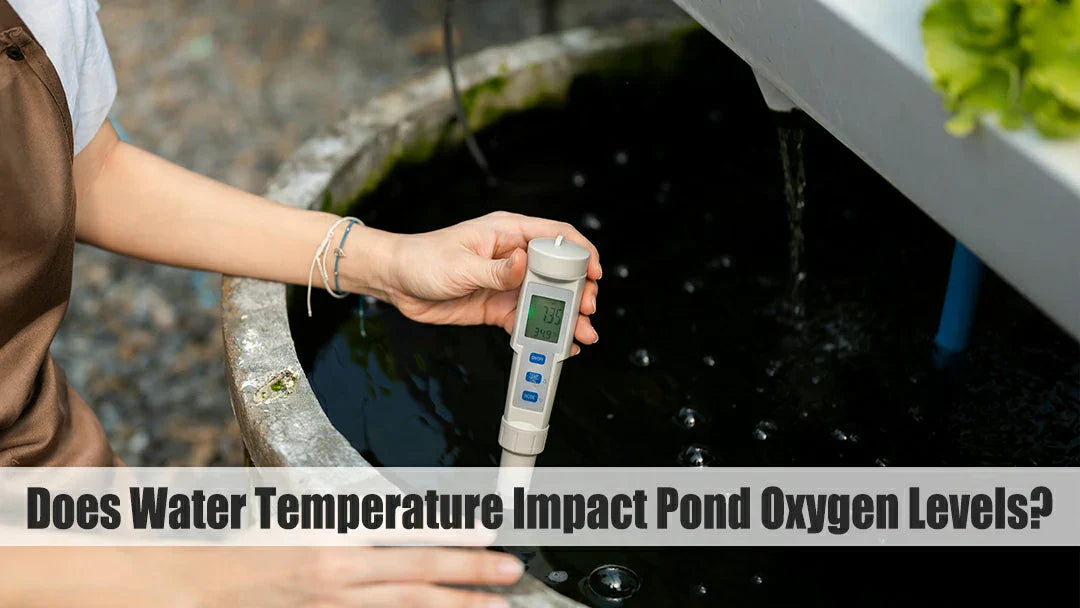
Yes. The temperature of water directly depends on the concentration of oxygen in a pond. As the water is heated, it is unable to carry the same quantity of oxygen as that carried by the cold water. This correlation between temperature and water contributes a lot to the welfare of ponds. Through this article, you will get to know how temperature in a pond impacts the oxygen levels, how temperature impacts on the water quality and how a combination of these impacts may expose the fish to danger unless these factors are controlled appropriately.
The Relationship Between Water Temperature and Dissolved Oxygen
Dissolved oxygen (oxygen mixed into water) is the oxygen that fish and other aquatic life use to breathe. The gills absorb dissolved oxygen by the fish. Fish face the pressure of stress when oxygen concentration decreases (stress means difficulty in normal body functioning). Oxygen should have a stable level in healthy ponds to sustain life.
The quantity of dissolved oxygen in the water is one of the factors that are highly sensitive to the water conditions, not to mention the temperature. Oxygen concentration is high in cold water and low in warm water. It is an informal doctrine towards the ponds, lakes, and other freshwater systems.

Does Warmer Water Have Less Oxygen?
Yes, warmer water is less oxygenated, a study that has been extensively researched. The temperature of the water is the higher the rate of movement of the water molecules. Oxygen is more readily diffused into the air as a result of this movement. This reduces the oxygen that is left in the water.
What Is the Impact of Temperature on Water Quality in Ponds?
Many pond owners ask how temperature affects water quality. Some of the natural processes available in the pond water are affected by temperature. This is because of the warming due to the water and consequently the rising level of biological activity (natural chemical and life processes).
Algae Growth and Oxygen Loss
Warm temperatures also like algae (small plants, which grow in water). The algae generate oxygen during the day. But when it is night, algae never produce oxygen; they consume it. This contributes to the depletion of oxygen in the atmosphere at pre-sunset. This day-to-day fluctuation of oxygen might be dangerous to fish. In case of insufficient oxygen, it can lead to weak fish and death.
Warning Signs of Temperature-Related Pond Problems
Early Signs of Low Oxygen Levels
Ponds usually provide due notice of looming intense destruction. Some of the indications include the buildup of fish on the surface that contains a slight rise in oxygen concentration. Fishing may also swallow air or crawl.
Risks to Fish and Pond Life
Fish may be subjected to stress in the long term if the uncontrolled warm temperatures are not managed. Stress kills the immunity of fish and subjects them to diseases. Severe incidences can result in a fish kill because of acute loss of oxygen.
The awareness of the actions of temperature and water will make sure that the owners of the ponds can take action prior to these threats turning serious.

How to Manage Pond Temperature and Oxygen Levels
Using Shade and Pond Design
Shade is one of the simplest ways to control pond temperature. The trees, floating plants, or pond covers reduce the amount of direct sunlight. This is to reduce the heating of water and conserve oxygen.
The more profound ponds are cooler as well as compared to shallow ponds. The depth helps in stabilizing hot-weather temperature and water conditions.
Improvement of Circulation and Aeration
Dispersal of oxygen is augmented by the stream of water. Circulation facilitates the mixing of the warm water on the surface and the colder water on the lower. This deters dead zones (low oxygen water).
On the dissolved oxygen, there is a direct positive relationship with aeration (adding air to water). The solar-powered aeration systems are quite efficient because they are most effective in sunny weather, where oxygen is being lost.

Conclusion
It goes without saying that the temperature of water may affect the amount of oxygen and the overall good health of the pond. Warming of water results in low oxygen concentration, which can harm fish and cause poor water quality. By knowing the effects of temperature on the quality of water, the owners of ponds would be in a position to avert problems at the appropriate time.
Poposoap offers the solutions of solar-powered ponds, which can help to improve circulation and oxygen in an environmentally-friendly way. The solar waterfall kits are also powered by the motions of the water, and do not increase energy cost. This is the reason why it can be considered as a potential solution to maintain the pond.
For more guidance on managing pond heat, especially for koi ponds, visit this related article: How to Keep Your Koi Pond Cool in Summer

70W 580GPH Solar Waterfall Pump Kit with 12"x13.4" Spillway
$269.99
Create a beautiful solar waterfall with this 70W kit. Includes a 12"x13.4" metal spillway and 40W 580GPH pump for eco-friendly backyard pond designs.
Frequently Asked Questions
An increase in temperature accelerates the degradation of wastes and algae growth. The two processes consume oxygen and reduce the quality of water, rendering the pond unfavorable to fish.
The majority of the pond fish remain healthy at average temperatures of water that range between 15-25°C. The temperatures beyond this spectrum may decrease oxygen and elevate stress.
You are able to add shade, facilitate water flow, and apply aeration systems. These are techniques used in controlling the temperature and raising oxygen levels naturally.

Leave a comment
All comments are moderated before being published.
This site is protected by hCaptcha and the hCaptcha Privacy Policy and Terms of Service apply.