

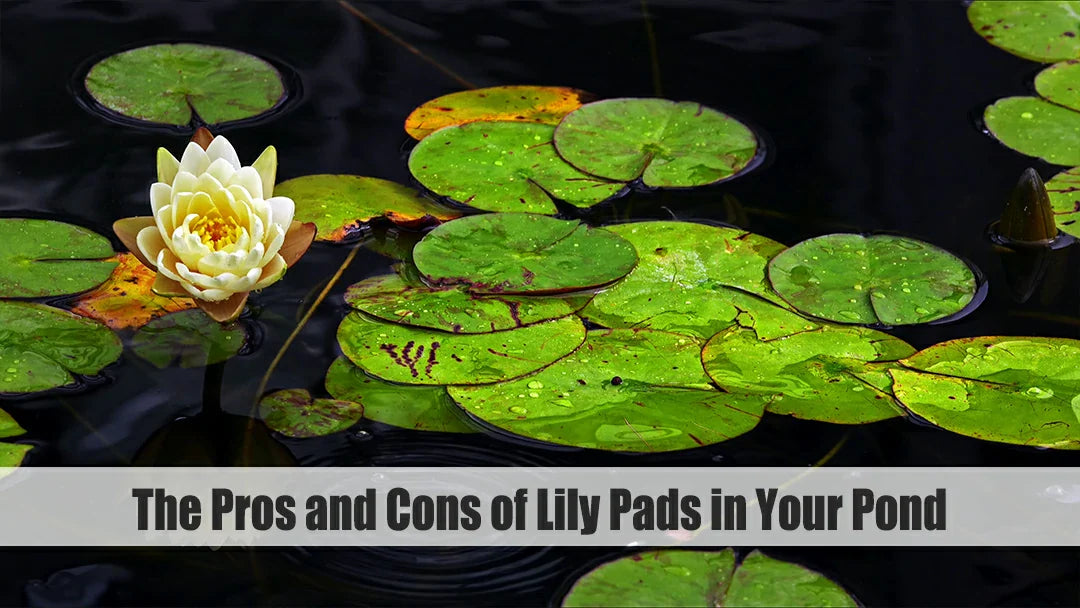
Distinctive shapes, clear waters, bright colours; that's what we see when we come across this very unique aquatic species. Well known for their aesthetic appeal and eco friendly features, lily pads are arguably one of the most interesting aquatic plants you'd ever come across whether you're in the wild or your backyard.
While it's tempting to plant them because of the appeal, there are a few practicalities we should consider. Let's take a dive into the upside and pits of having a pond with lily pads in them.
The Pros of Having Lily Pads in Your Pond

The large leaves of Lily pads protect the pond from the direct gaze of the sun and the fish from predators. By shading the pond, these lily pads also allow the pond to hold a higher level of oxygen, making survival easier for the fish in the pond especially during heat waves.
The lily pad pond is also properly oxygenated because the leaves release oxygen into the pond through the leaves into the air and through the stem and roots into the pond.
Lily pads roots help in reducing algae in the pond. The roots struggle with the algae for nutrients to grow, and end up leaving the algae with very little or no nutrients to survive on. The result of this is a clearer water body.
They serve as a natural filter. Lily pads expel toxic stuff from the water. Due to this, the fish in the pond have a better environment
Finally, lily padding stops erosion. The thick pads floating on the water surface prevent the water in the pond from being carried by wind to the pond edges
Cons of Having Too Many Lily Pads

Regardless of all these benefits, lily pads can also be troublesome. Lily padding can spread fast and cover the entire pond. It can suffocate every other aquatic plant in the process and disturb the balance of the pond. It also requires very frequent pruning and maintenance to prevent overgrowth and get rid of old dead leaves.
If a lot of Lily pads die at once, then the decay may cause the pond with lily pads to lack oxygen, causing the suffocation of fish in it.
The big leaves may also obstruct water flow and turn the clear pond into a breeding ground for mosquitoes. These leaves also harbour pests such the water lily beetle and aphids making the pond require a special form of organic treatment that gets rid of the pests without harming the fish
Finding the Right Balance - How Much Lily Pad Coverage Is Ideal?
How much lily pads should be in a pond is determined primarily by the size of the pond. However, no matter the size of the pond, a fifty percent surface dedicated to lily pads will not cause damages.
With 50% coverage, there's enough shade for the pond to keep the algae suppressed and enough light to keep the pond alive. It also ensures that the water can accept oxygen from the air and dispel toxic gases such as methane and carbon dioxide.
This 50% coverage ratio allows the fish to hide from predators and also allow you to see them and enjoy the view.
Too much or too little lily pads for ponds may lead to algae takeover or even stagnation.
| Coverage % | Ecosystem Status | Primary Benefits |
|---|---|---|
| 0% – 10% | Bare | Maximum light for submerged oxygenators; clear view of all fish. |
| 20% – 40% | Balanced (Lakes) | Ideal for fishing; provides "edge" habitat for bass and bluegill. |
| 50% – 60% | Optimal (Garden) | Natural algae control; excellent shade and cooling for Koi and Goldfish. |
| Over 70% | Overgrown | Maximum frog and insect habitat; very little maintenance needed. |
| 90% – 100% | Choked | Total weed suppression. |
How to Control and Maintain Lily Pads in Your Pond
Keeping your lily pads in check requires a balance of ecological function, plant health and water quality.
The most important step is to set coverage limits. If coverage limits exceed 50% surface coverage, then it is necessary to control it.
For small and medium sized ponds, hand removal is recommended. After removal, all the removed leaves and stems must be disposed to prevent decay.
Aquatic herbicides such as glyphosate formulations can also be used according to label instructions and according to local environment regulations. This method should be the last resort and recommended to be done under the supervision of an expert.

Best Companion Plants for Lily Pad Ponds
A pond with lily pads can coexist with submerged, emergent or even floating plants.
The anacharis plant is also a fast oxygenator and contributes to a healthy pond life. The hornwort plant is also excellent for fish ponds as it does not need rooting to thrive. These plants balance nutrients and doesn't compete for space because they are submerged plants.
Some other plants that can coexist with the lily pads include pickerel rush, floating heart, canna Lilies and Water lettuce
Common Myths About Lily Pads
Below are a few myths about Lily Pads:
Lily pads are bad for fish.
Lily pads are invasive.
Lily pads cause algae to bloom.
Lily pads are low maintenance plants. Trimming lily pads kills the plant.
None of these are true or research proven. Lily pads can in fact be the most valuable of the plants in a pond.
Conclusion - Striking Harmony Between Beauty and Balance
Every pond with beautiful lily pads are a result of intentional grooming. Lily pads are a gift from nature and when its growth is guided through proper spacing and pruning, then its maintenance becomes minimal and less time consuming.
If a balanced, low maintenance pond ecosystem is what you want, then Poposoap has the perfect equipments for you. With quality solar pond pumps and eco-filtration systems, you are closer to your dream pond than you think.
READ MORE: Lotus vs. Water Lily

70W 580GPH Solar Waterfall Pump Kit with 12"x13.4" Spillway
$269.99
Create a beautiful solar waterfall with this 70W kit. Includes a 12"x13.4" metal spillway and 40W 580GPH pump for eco-friendly backyard pond designs.
FAQs About Lily Pads in Ponds
A: They are the floating leaves of water lilies.
A: Yes they can.
A: Yes, they are beneficial to fish and wildlife.
A: Only occasionally, to prevent excessive growth.
A: Yes, they are.


Leave a comment
All comments are moderated before being published.
This site is protected by hCaptcha and the hCaptcha Privacy Policy and Terms of Service apply.