
Ever look out over your pond and think, "What do fish eat in a natural pond?" or maybe even, "What fish eats plants in a pond?" If so, you're not alone. Many pond owners and pond enthusiasts want to give their fish the best possible nutrition. They prefer to use natural food sources that already exist in the pond ecosystem. In this article, we will talk about how fish feed naturally, what types of plants and organisms they consume, and how you may be able to create a more balanced, self-sustaining pond for them.
How to Feed Fish in a Natural Pond
Feeding fish in a natural pond goes beyond simply tossing in commercial fish food. In a healthy, well-maintained pond, fish often thrive by feeding on the natural resources available to them, such as insects, algae, microscopic organisms, and occasionally plants. If you’ve ever wondered, “What do fish eat in a natural pond?” you’re essentially inquiring about the natural food chain that develops in still or slow-moving waters.
Not all ponds are created equal, some have vastly more biodiversity than others. As a matter of fact, access to natural foods can be determined by everything from water quality to time of year to specific design features. Learn to take advantage of such things, and the need to rely on a manufactured feed in order to maintain your fishes health and nutritional well being may become drastically reduced. You might learn what fish species consume plants when vegetation forms at least part of their omnivorous diet and inhabit a certain pond.
Natural Food Sources for Fish in Ponds
1. Aquatic Insects and Larvae

Insects and their larvae often form a big part of a fish's diet. Mosquito larvae, water beetles, dragonfly nymphs, and other small invertebrates provide protein-rich food. By supporting insect life, you create a natural buffet for your pond's fish.
2. Algae and Phytoplankton

While too much algae can be harmful, a controlled presence of algae supports a healthy food chain. Many fish consume algae directly, or they feed on zooplankton that, in turn, feeds on phytoplankton. A moderate algae population can therefore be quite beneficial.
3. Zooplankton and Microscopic Organisms

At the bottom of the aquatic food chain is the zooplankton, a small or even microscopic animal. Smaller fish and even fish fry thrive by consuming zooplankton in large numbers. Make sure your pond supports a stable zooplankton population. Zooplankton provide a natural food source for fish. A consistent zooplankton population helps maintain a healthy and natural feeding environment in the pond.
4. Aquatic Plants and Vegetation

What kind of fish in a pond will eat plants is usually a name of species having more omnivorous nature. Common examples to cite may be certain varieties of carp and tilapia that eat soft aquatic vegetation. Plants have vitamins and fibers, which provide a good accompaniment for diets rich in insect proteins.
5. Detritus and Bottom-Dwellers

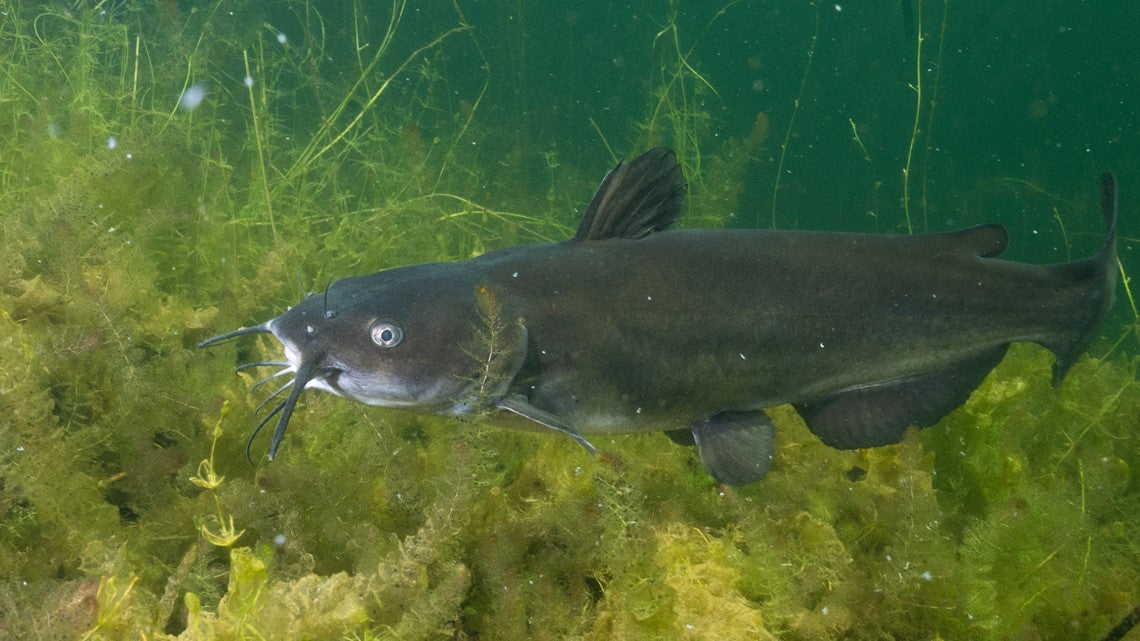
Other fish, such as catfish, are bottom feeders, sifting through sediment in search of worms, small crustaceans, and decaying plant matter. This is a behavior that will help them survive, besides helping to clean up the pond-the fish actually perform a nutrient recycling process as they consume the organic debris.
How to Encourage a Natural Food Source in Your Pond
1. Ensure Ideal Water Quality
A healthy ecosystem in your aquarium depends on good water quality. Test for pH, ammonia, nitrite, and nitrate levels regularly. Stable, healthy water parameters will encourage strong insect and plankton populations, which in turn feed your fish naturally.
2. Aquatic Vegetation
Strategically plant native species—such as hornwort, eelgrass, or water lilies—to enhance the habitat. Vegetation not only oxygenates the water but also provides shelter for insect larvae and zooplankton, increasing the food supply. If you’re specifically interested in what fish eats plants in a pond, having the right types of plants ensures that any herbivorous or omnivorous fish have access to a nutritious plant-based option.
3. Encourage Biodiversity
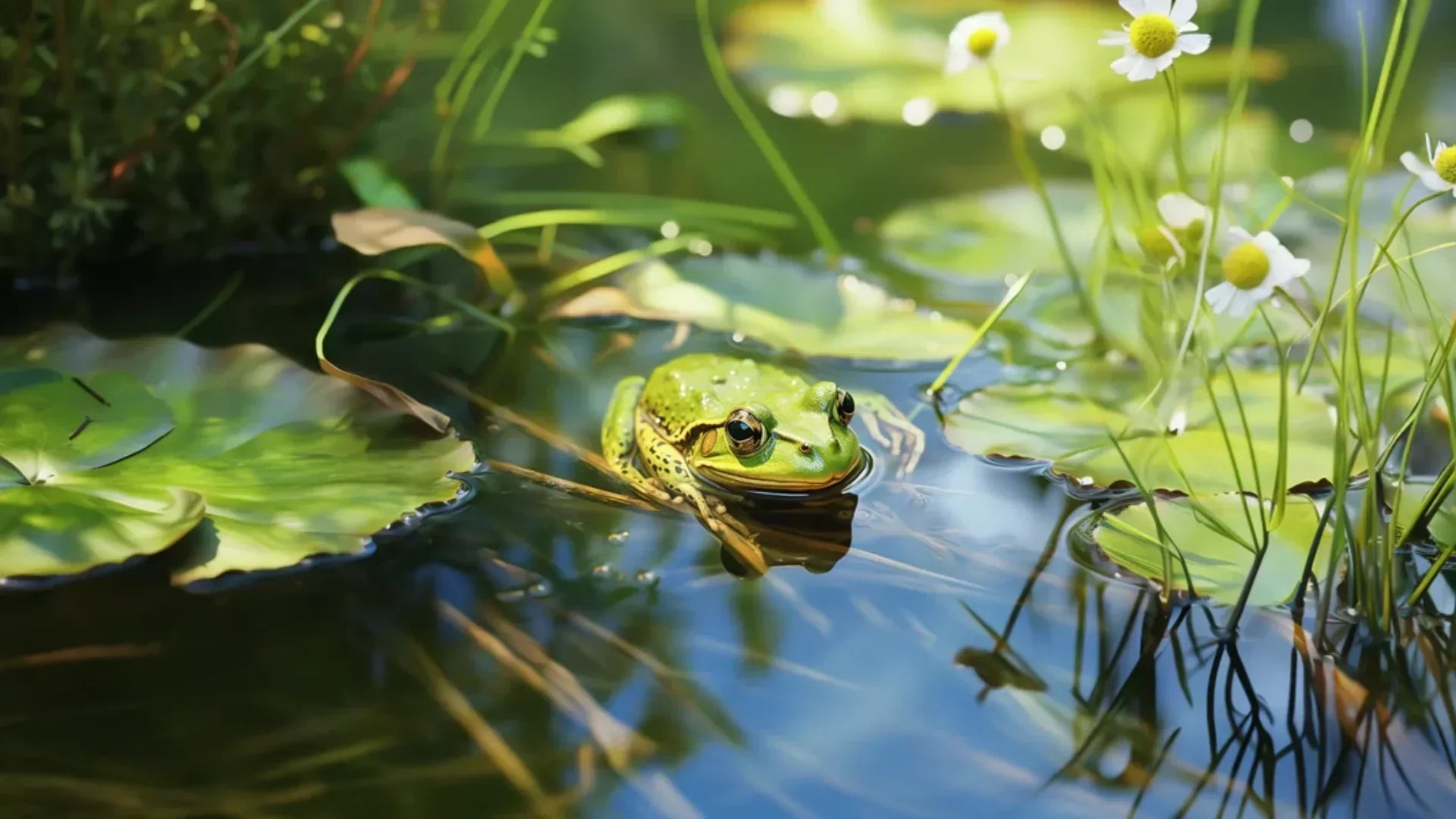
Diversity is a critical element of a healthy, self-sustaining pond. That means welcoming all creatures great and small-from frogs to snails, from beneficial insects to microorganisms. A balanced diverse pond community will keep all members in check to ensure no one group becomes dominant and depletes resources.
4. Control Algae Responsibly
A little algae is actually good for your pond. If blooms get out of control, they deplete oxygen and hurt fish. Use natural methods to control algae growth. You can add barley straw to the pond. You can also install UV clarifiers. These methods help keep algae levels under control. At the same time, they protect the algae-based food chain in the pond ecosystem.
5. Limit Chemical Interventions
Avoid using pesticides or other chemicals anywhere near your pond, which can wipe out insects and other small life-forms that are a food source for your fish. Where possible, adopt organic pest control methods to ensure an abundant, diverse ecosystem.
Seasonal Considerations for Fish Feeding
Spring
As temperatures rise, algae, insects and plants start to thrive. Fish come out of winter torpor and eat more. Now is the best time to check water parameters and your pond's insect and plankton populations are on the rebound.
Summer
Warmer water holds less dissolved oxygen and, if not adequately managed can stress fish and reduce insect numbers. Maintain good aeration and closely monitor algae levels. Herbivorous or omnivorous fish may feed more intensively on aquatic plants during this time of year.
Autumn
Falling leaves and plant debris increase organic material in the water, feeding bottom-dwelling organisms. Regularly remove excessive debris to prevent harmful breakdown products from accumulating. Remember to test water quality to ensure a stable environment going into winter.
Winter
Most fish feed very little in cold weather. If your pond partially freezes, keep a hole open for gas exchange. Though the fish feed very little, keeping the beneficial bacteria and microfauna can help sustain overall health in the pond until spring.
Promote a Natural Healthy Diet for Your Pond Fish
What fish eat in a natural pond, and what plants in the pond are eaten by fish, tells us much about the complicated web of life in still waters. By prioritizing water quality, encouraging biodiversity, and using supportive products for an eco-friendly pond environment like POPOSOAP solar pond pumps, you create a productive natural platform where your fish will be able to enjoy nature's bounty. Recalling that a diverse food source is to the advantage not only of the fish but also of the whole pond ecosystem. A thoughtful balance of insects, algae, microscopic life, and plants will keep your pond humming-teeming with active, healthy fish that are a delight to observe throughout the year.

P3203 20W 280GPH Solar Pond Filter Fountain
$119.99
Clean and oxygenate your pond with this 20W solar pond filter pump. Eco-friendly 280GPH flow ideal for small to medium backyard water features.
Frequently Asked Questions
What do fish eat in a natural pond?
They eat insects, algae, plankton, plants and organic detritus.
Do pond fish eat aquatic plants?
Yes, omnivorous fish like carp eat soft aquatic vegetation.
How to boost natural fish food in ponds?
Improve water quality, add plants and support biodiversity.