HOT
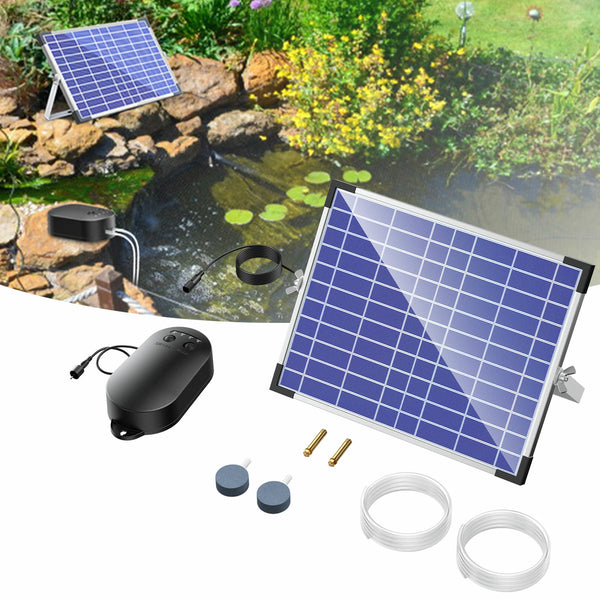

Shop POPOSOAP pond aerators for backyard ponds, koi ponds, and water gardens. Compare solar air-pump systems, electric pond aerator pumps, and floating surface aerators by power source, stated airflow or water flow, battery support, pond depth, and intended use. Aeration can support circulation and gas exchange, but the right setup still depends on pond size, depth, fish load, water temperature, and operating schedule.
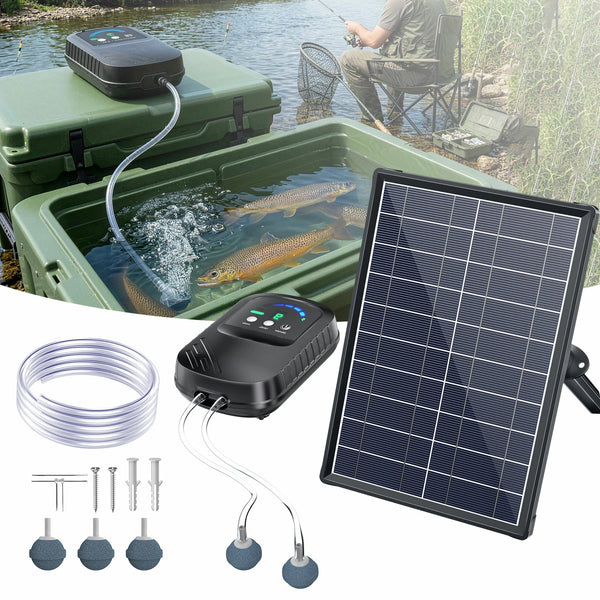
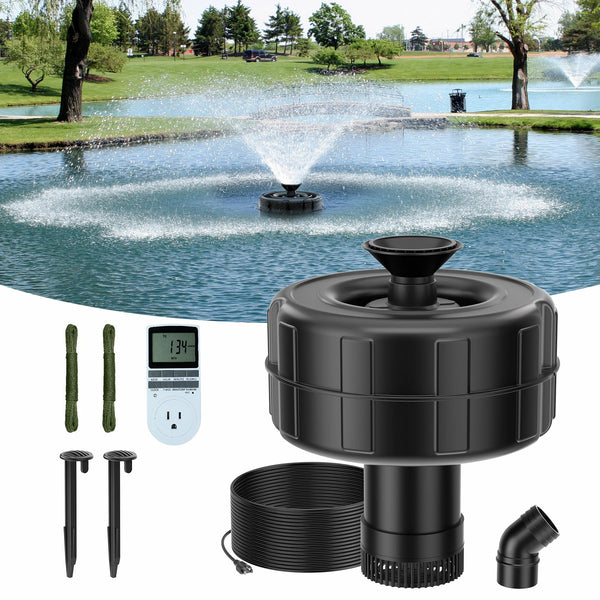
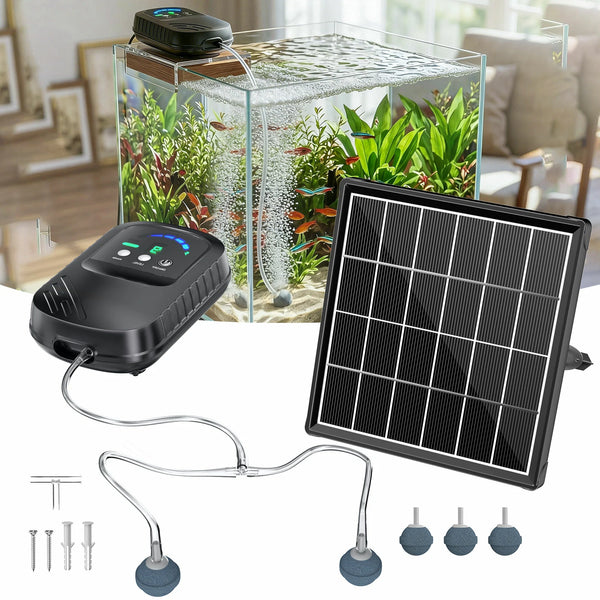
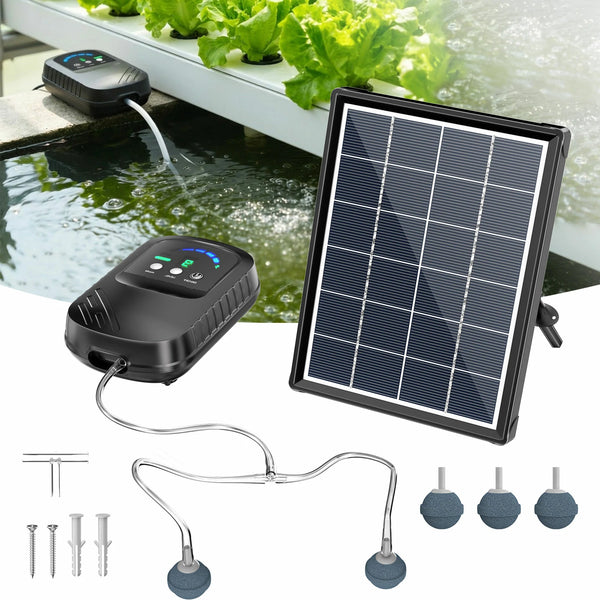
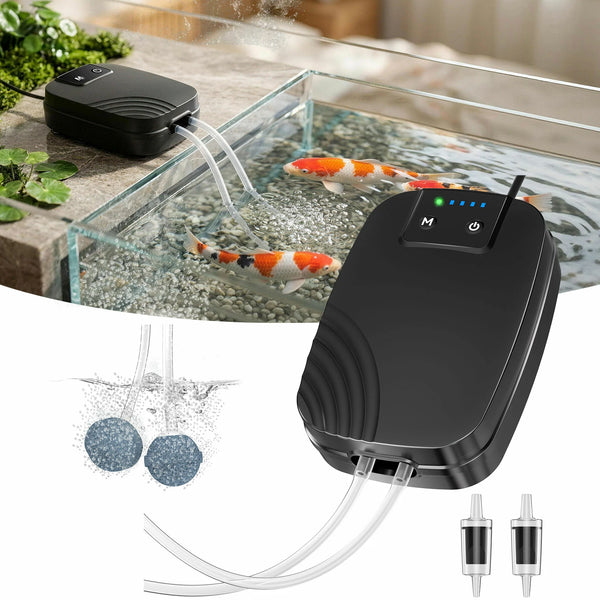
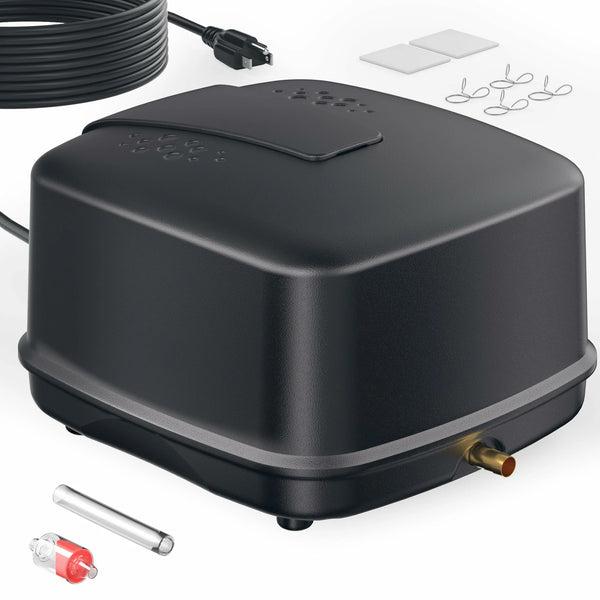
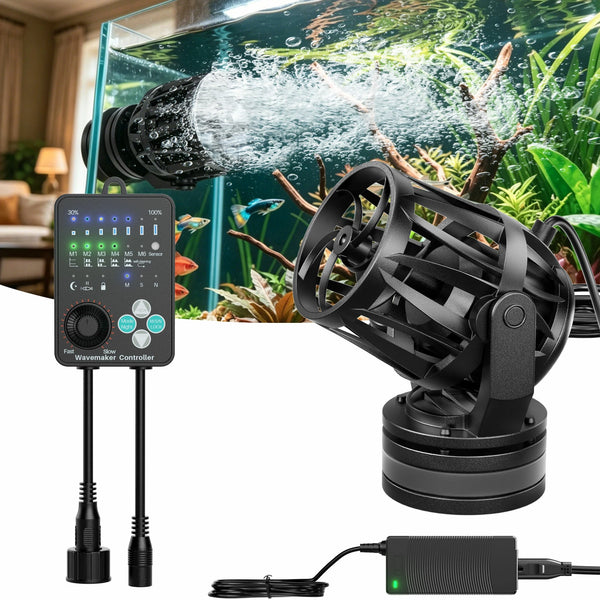
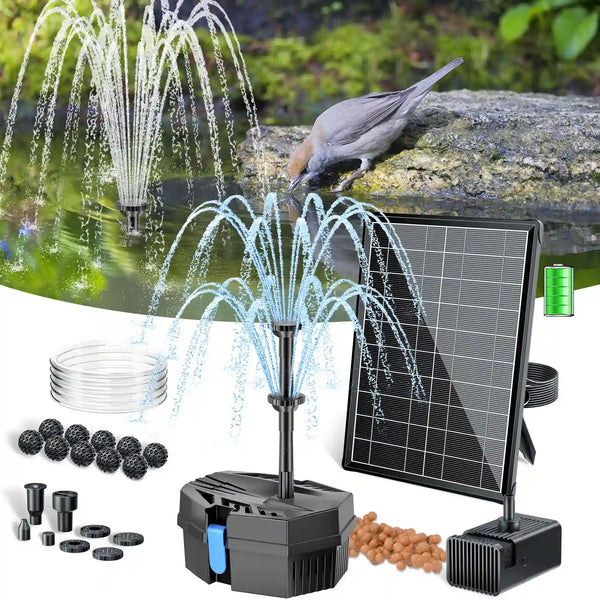
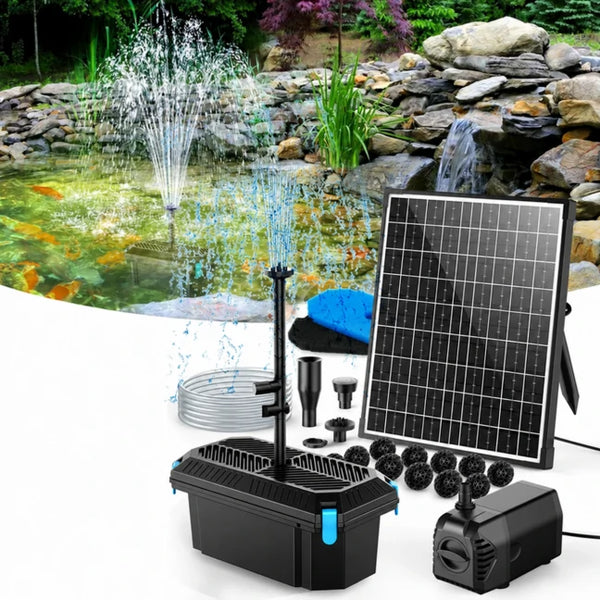
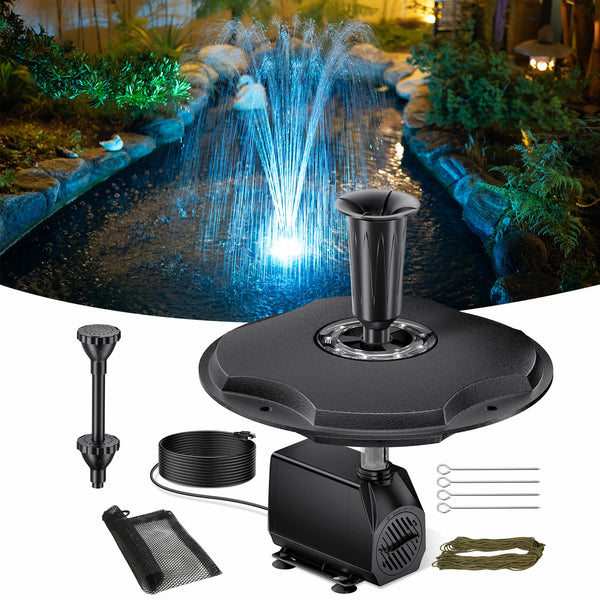
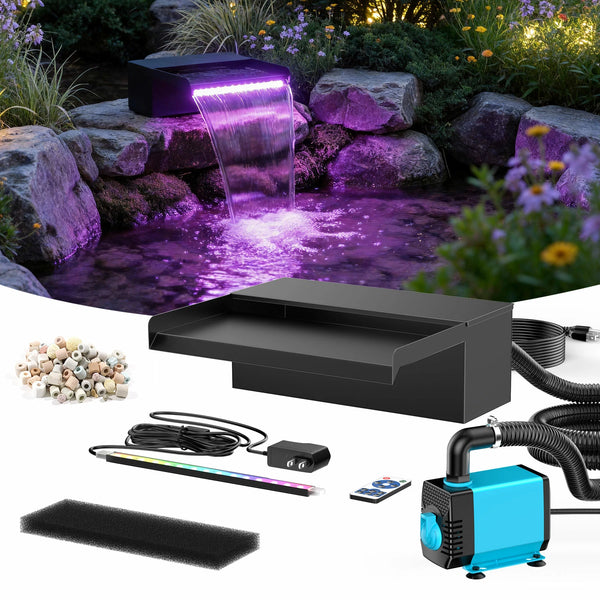
A pond aerator can move air through submerged diffusers or agitate water at the surface. Start with the aeration method your pond needs. Air-pump systems send bubbles through air stones and are useful when you want targeted subsurface circulation; floating fountain aerators move water at the surface and add a visible spray. Neither type filters debris, and a decorative fountain is not automatically a substitute for a properly sized aeration plan.
Next compare pond volume and depth, fish load, water temperature, available power, stated airflow or water flow, number of outlets, battery support, and intended duty cycle. Solar models are useful where an outdoor outlet is impractical, but output and battery runtime depend on sun, charge, settings, and weather. Electric models can support steadier operation when installed with a safe outdoor power connection. For stocked ponds, verify dissolved oxygen and follow the selected model’s limits instead of choosing by wattage or GPH alone.

“Whether in IBC tanks or other pond systems, Poposoap's filters and related products can function and meet the needs of different breeding scenarios.”

“I have been using the POPOSOAP pond pumps, solar fountains and waterfall systems for some time now and I have been very impressed with the quality of the products. The products have helped me transform my garden and bring new water feature ideas to life.”

“Using PopoSoap waterfall has been a truly amazing experience. The elegant design, soothing sound, and calming flow bring peace to my space every day. Highly recommended!”

“I just Love Poposoap Waterfall Pond Filters, Dependable, Reliable and most importantly Affordable! Thank you Poposoap for keeping my Pond Crystal Clear, Healthy and my Fish Happy”

“The poposoap waterfall box is easy to install, made of quality materials, and provides excellent sound and filtration for my mini ponds. They are affordable, durable, versatile for a range of applications.”

“What I love about this brand of waterfall spillway kit is that the waterfall box is made of stainless, versus the plastic of some other brands. The pieces are durable and well made and the small, powerful pump ensures great water flow for the waterfall.”

“Easy setup with a good pump. This fountain was the perfect size for our backyard pond. It fit right into our smaller waterfall basin. We opted to place it in the water itself and not have it outside (and plan to cover it in decorative rock).Setup was easy and took about 30 minutes.”

“Definitely happy with this purchase. So I bought this for my 55 gallon outdoor patio pond that had a chronic algae problem. This is pretty big for that size pond, but it definitely does the job I needed it for. It has kept my pond clear and it's easy to clean.”

“When it's level it works best !!! Works great was missing pieces and the box was seal.”
A pond aerator is a device that helps move air or water so the pond can exchange gases more effectively. Air-pump systems send air through tubing to submerged diffusers or air stones. Surface aerators and aerating fountains agitate water at the surface. Explore the full POPOSOAP pond aerator collection to compare the available methods.
In an air-pump system, the pump pushes air through tubing to one or more submerged diffusers. The rising bubbles move nearby water and increase surface interaction; the bubbles themselves are only part of the process. A floating surface aerator works differently by moving water at the surface. See the step-by-step pond aeration guide after its publication-quality review is complete.
A diffused system uses an air pump, tubing, and submerged air stones or diffusers. It is usually evaluated by airflow, diffuser count, pond depth, and intended pond size. A surface aerator moves water at or near the surface and may be rated by water flow or motor output. The best method depends on the pond's shape, depth, fish load, power access, and season—not one universal specification.
Not always. Some fountain systems provide surface agitation and visible spray, while air-pump aerators send bubbles through submerged diffusers. A decorative fountain may help surface movement but should not automatically be treated as a complete aeration plan for every pond. Read Pond Aerator vs. Fountain after the article's claims and wording have been updated.
It depends on pond depth and volume, fish and plant load, water temperature, organic matter, existing circulation, and seasonal conditions. Warm water holds less dissolved oxygen, and decomposing organic material can increase oxygen demand. Fish repeatedly gathering or gulping at the surface can be a warning sign, but testing and local professional guidance are safer than diagnosing from appearance alone. Start with Does My Pond Need Aeration? after editorial review.
Do not choose by wattage alone. Record the pond's approximate volume, maximum depth, surface area, fish load, water temperature range, and available power. Then compare those conditions with the manufacturer's stated airflow, diffuser count, depth limits, pond-size guidance, and intended operating schedule. The POPOSOAP calculator can help with basic pond measurements; contact POPOSOAP support when the product fit is unclear.
Only for products that actually move water and publish a water-flow rating. GPH should not be used as a substitute for airflow on compressor-style aerators. For an air-pump system, compare the stated L/min or CFM, supported depth, number of outlets, diffuser setup, and intended pond conditions. For a floating surface aerator, water flow and motor output may be relevant. Always compare like with like.
A solar pond aerator can be practical where running outdoor power is difficult. Its output and battery-supported runtime depend on sunlight, charging, settings, weather, and the specific model. An electric pond aerator can support steadier operation when a safe, code-compliant outdoor power source is available. Choose based on the required duty cycle and site conditions.
Direct-solar models slow down or stop when sunlight is insufficient. Models with a charged battery may continue operating after sunlight fades, but runtime varies with the battery state, sunlight received, weather, selected output level, and model design. Do not assume “battery included” means uninterrupted overnight operation. Check the exact product page and product manual for charging and operating guidance.
The correct number and placement depend on the pump's supported outlets, pond shape, depth, circulation pattern, and season. Spread diffusers only within the pump's documented capacity, keep tubing protected from kinks and damage, and follow the model's depth limits. Placement may need to change for winter conditions. Use the selected product's installation instructions rather than applying one layout to every pond.
Yes, when the model is sized and installed for that pond's conditions. Fish load, feeding, temperature, depth, organic matter, and existing filtration all affect oxygen demand. Aeration can support circulation and gas exchange, but it does not guarantee a specific dissolved-oxygen level or prevent every fish-health problem. Compare the products in the Pond Aerators collection and verify the selected model's limits.
No. An aerator moves air or water; a filter is designed to capture or process material in the water. Many ponds benefit from both functions, but the right setup depends on the pond and its stocking level. If the main problem is suspended debris or filtration capacity, compare POPOSOAP pond filtration systems and pond filter fountains rather than expecting aeration alone to do the filter's job.
Aeration can support circulation and may be one part of a broader pond-management plan, but it does not guarantee algae removal or clear water. Algae and water clarity are affected by nutrients, sunlight, temperature, plants, sediment, feeding, runoff, filtration, and other factors. Diagnose the cause before choosing equipment. Avoid any product claim that says a pond aerator alone will “prevent algae” or make every pond crystal clear.
Follow the operating limits and instructions for the exact model. Some electric systems are designed for extended duty, while direct-solar output naturally changes with sunlight and battery-supported models have finite stored energy. Pond conditions can also change by season and time of day. If the pond has fish or a history of low dissolved oxygen, use measurements and qualified local guidance rather than relying on a universal number of hours.
Fish gathering near incoming water, clustering at the surface, or repeatedly gulping can be warning signs. Hot weather, heavy organic decay, dense algae or plant respiration, and sudden pond turnover can also affect dissolved oxygen. These signs can have more than one cause, so test the water and act promptly. Review the pond low-oxygen signs guide after editorial review, and seek local professional help for an active fish emergency.
Check the air intake, tubing, connectors, check valves, and diffusers on the schedule in the product manual. Clean or replace air stones when output drops, remove kinks from tubing, keep solar panels free of dirt and shade, and inspect floating or electric equipment for debris and cord damage. Turn off and disconnect equipment before service. Find model-specific steps in the POPOSOAP manuals and instructions.
Some pond owners use aeration as part of a winter pond plan, but placement and operation depend on climate, pond depth, fish, and the model. A diffuser placed too deep can mix colder bottom water with the upper layer, so summer placement should not automatically be reused in winter. Follow the product manual and local pond-care guidance. Aeration should not be described as a guarantee against ice cover, low oxygen, or winter fish loss.
Use the manuals and instructions page for model-specific setup and maintenance. Review the one-year warranty policy for current terms. If the product, manual, or replacement part is unclear, contact POPOSOAP support with the product name, order details, and a photo or video of the setup.