
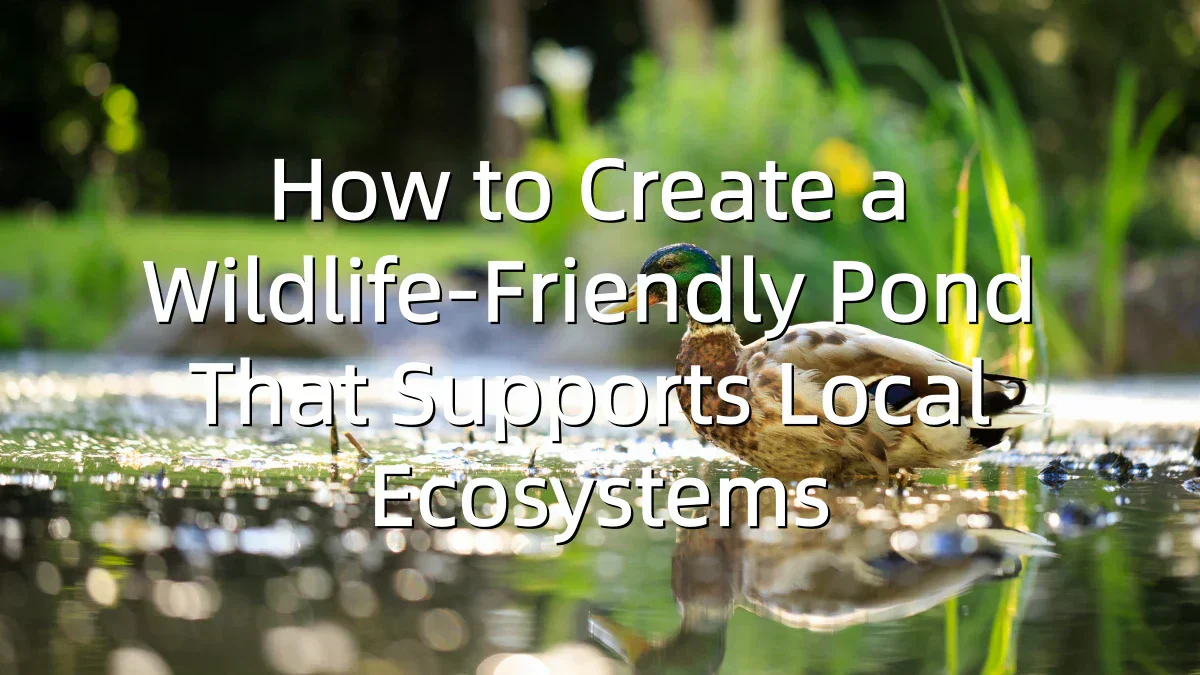
A garden pond can be much more than an ornament. With careful planting, it can be a haven of living biodiversity—a zone where frogs croak, dragonflies dart, and birds are safe to drink from the edge of the water. For many gardeners, designing a wildlife-friendly pond is both fulfilling and ecologically efficient. Creating a space that interacts with nature introduces the aesthetics, reduces insects, and allows backyards to achieve harmony where otherwise they can be disconnected from nature.
Designing a wildlife pond is never a matter of expensive equipment or high-maintenance buildings
Designing a wildlife pond is never a matter of expensive equipment or high-maintenance buildings. It's all about balance: shallow zones, native vegetation, transparent water, and flow that supports, not hinders, life. With the help of ecosystem-friendly products like Poposoap, anyone can turn an ordinary pond into an abode of life.
Why Biodiversity Matters
Biodiversity is no buzzword—it's what makes ecosystems thrive. A healthy pond nurtures a number of species that coexist in harmony:
- Frogs, toads, and newts will keep insects in check naturally.

- Dragonflies and damselflies love ponds and dine on mosquitoes.

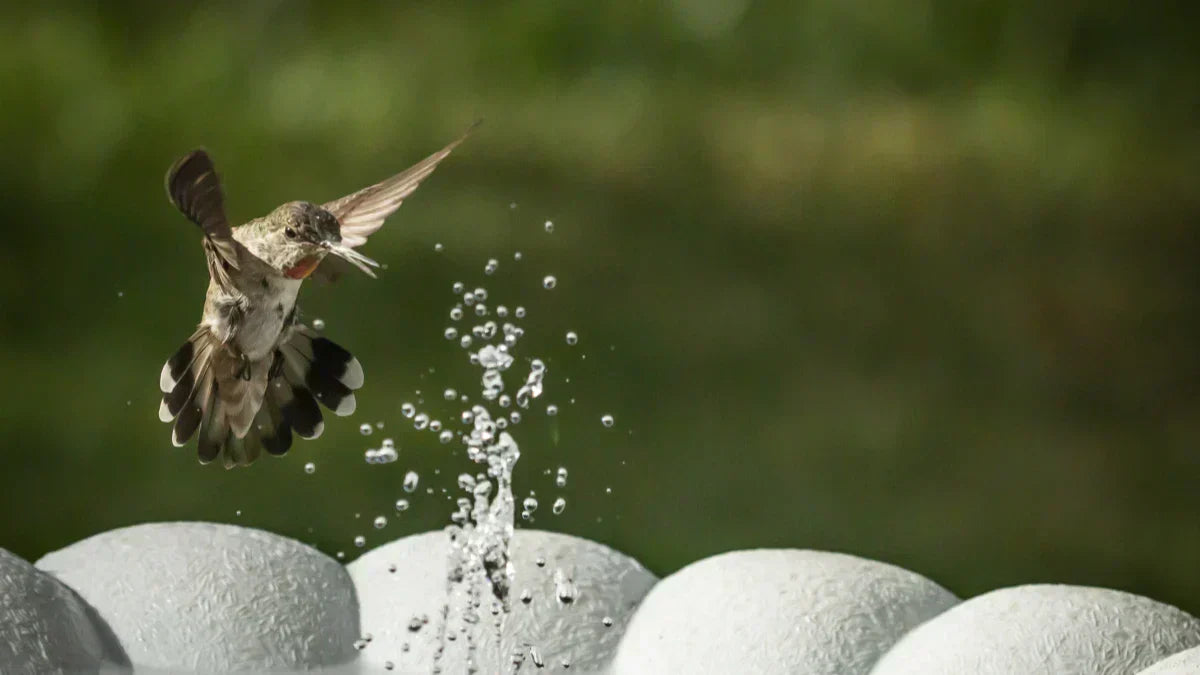
- Birds rely upon ponds as a safe source of water during heat waves.

- Aquatic plants purify water, provide shade for the surface, and supply cover for small fauna.

By keeping biodiversity at the center of your design for an eco pond, you're creating a strong system that requires fewer chemicals and less human input. Poposoap's company background reads like the same thing: they make products that support natural ecosystems, not overwhelm them. For more information on creating wildlife-friendly habitats, refer to the National Wildlife Federation.
Layout and Shallow Zones
The most significant feature of a wildlife pond is maybe its shape. Good design of a wildlife pond includes varied depths and simple wildlife entry points.
- Shallow Shelves: Frogs, hedgehogs, and small birds need simple slopes to exit and enter without harm. Shallow shelves also heat up early in springtime, excellent breeding locations for frogs and other amphibians.
- Deeper Areas: Although shallow rims are beneficial, having a deeper middle area (18–24 inches) prevents the pond from freezing during winter and provides wintering habitat for wildlife.
- Irregular Arrangements: Natural curves and irregular widths resemble natural ponds, attracting more species than symmetrical ponds.
With the introduction of textured rocks, logs, and planted borders, the habitat is added value. Poposoap solar fountains and pumps complement these installations, quietly pumping water to prevent stagnation without disrupting sensitive shallow areas.
Native Plant and Water Selection
Plants are the focus of a natural habitat pond or fountain. The appropriate species maintain water quality, provide cover, and attract insects that birds and amphibians prey upon.
-
Marginal Plants: Sedges, water mint, and marsh marigold grow in shallow margins. They provide frog cover and insect nesting sites.

-
Floating Plants: Water lilies and frogbit shade the surface and chill the water, preventing algae growth.

-
Submerged Oxygenators: Elodea and hornwort improve clarity by absorbing nutrients and releasing oxygen.

- Native Species: Using plants that are native to your location means that they create habitat for wildlife that is local, ranging from pollinators to aquatic invertebrates.
Water quality is just as crucial. Try to avoid chlorinated tap water where possible. Rainwater harvesting or dechlorinating treatments contribute to creating a safer habitat for wildlife. Poposoap filter kits utilize reusable media that naturally keeps the water clear, minimizing the use of chemicals. You can learn more about native plant species from the Audubon Society's native plants database.
Soak Kit and Mini Soak Kit by Poposoap
While plants do most of the work in a wildlife pond, circulation and light management are still crucial. Poposoap has created eco-friendly equipment designed for these purposes:
-
Solar Pumps: Sun-driven, they pump water without contributing to energy bills. With continuous water flow, they eliminate mosquito breeding but maintain stable oxygen levels.

-
Filter Boxes: Poposoap filter boxes use ceramic media and sponges to trap detritus and offer spaces for healthy bacteria to thrive, maximizing biological filtration.

-
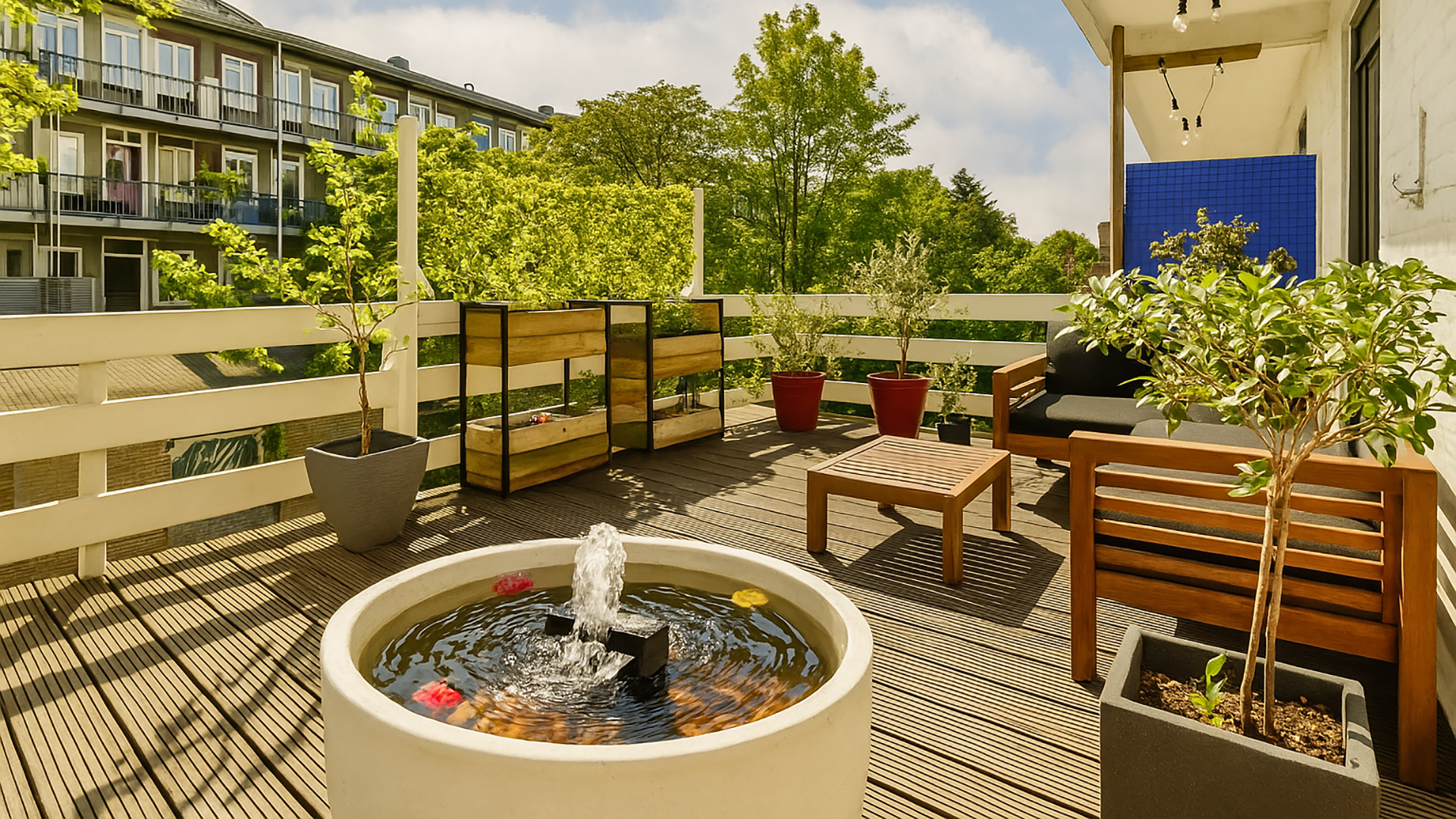
Solar Bird Fountains: Compact models provide gentle trickles friendly to birds but do not overwhelm the natural ecosystem of the pond.

Poposoap's philosophy is simple: create gear that plays nicely with natural systems. To wildlife pond owners, this means circulation without wiring, filters minus chemicals, and accessories that marry function with sustainability.
Care with Wildlife Consideration
A wildlife-friendly pond requires less maintenance than decorative ponds but responds well to consistent care. The secret is finding the right balance without disrupting habitats.
- Debris removal: Skim leaves and organic material on a regular basis to prevent nutrient overload.
- Filter Cleaning: Poposoap's filter sponges are recyclable and can be rinsed with pond water, preserving healthy bacteria but keeping water clear.
- Seasonal Adjustments: In the summer, keep water levels in balance with evaporation. In winter, leave portions of pond surface open to facilitate oxygen exchange.
- Avoid Chemicals: Never apply algaecides or pesticides. Frogs and insects are very sensitive to toxins, and natural controls—plants, shading, circulation—are safer.
- Wildlife Awareness: Look at your pond every day. Frogs will spawn, dragonflies will hatch, and birds will visit daily. Be sensitive to subtle changes in behavior, normally the earliest warning signs of imbalance.
By balancing the upkeep of the garden pond to satisfy wildlife needs, you build resilience and harmony. It is a testament to Poposoap's commitment to ecology and family-friendly design. For guidelines on maintaining a healthy pond ecosystem, consult the USDA Natural Resources Conservation Service.
Final Thoughts
Building a wildlife pond is one of the most fulfilling things for a gardener to undertake. By prioritizing biodiversity, including shallow zones, planting natives, and filtering water naturally, you design an oasis that functions for nature and those you care about.
Poposoap's solar pumps, filter boxes, and bird fountains are invaluable tools in this process. They simplify care, reduce energy use, and ensure ponds remain clean without chemicals. Most importantly, they support the very wildlife you're trying to attract.
Whether your goal is frogs hopping at the water's edge, dragonflies hovering above, or birds drinking safely, a well-planned eco pond setup delivers beauty and biodiversity in equal measure. By combining thoughtful wildlife pond design with eco-friendly Poposoap products, you're not just decorating your yard—you're contributing to the restoration of local ecosystems.
FAQs
Clean the pump and filter at least monthly to prevent clogging. Inspect for debris, check water levels, and ensure the solar panel is clean and unshaded for optimal performance.
Yes, solar pond filters help maintain water quality by circulating water and filtering debris. They work best in sunny locations and are suitable for small to medium ponds.
Calculate your daily water volume and total vertical lift (head). Match these requirements with the pump's flow rate and head specifications, ensuring the solar panel wattage is sufficient.
Solar DC pumps offer zero energy costs, are eco-friendly, and require low maintenance. They are ideal for remote locations without grid access and help conserve water resources.
Yes, specific submersible DC pumps are designed for deep wells. Ensure the pump is rated for the required depth and pair it with an adequate solar power system.
Differences include installation (submersible vs. surface), motor type (brushless vs. brushed), and mechanism (centrifugal vs. diaphragm). Submersible brushless pumps are often preferred for efficiency and longevity.

Leave a comment
All comments are moderated before being published.
This site is protected by hCaptcha and the hCaptcha Privacy Policy and Terms of Service apply.