

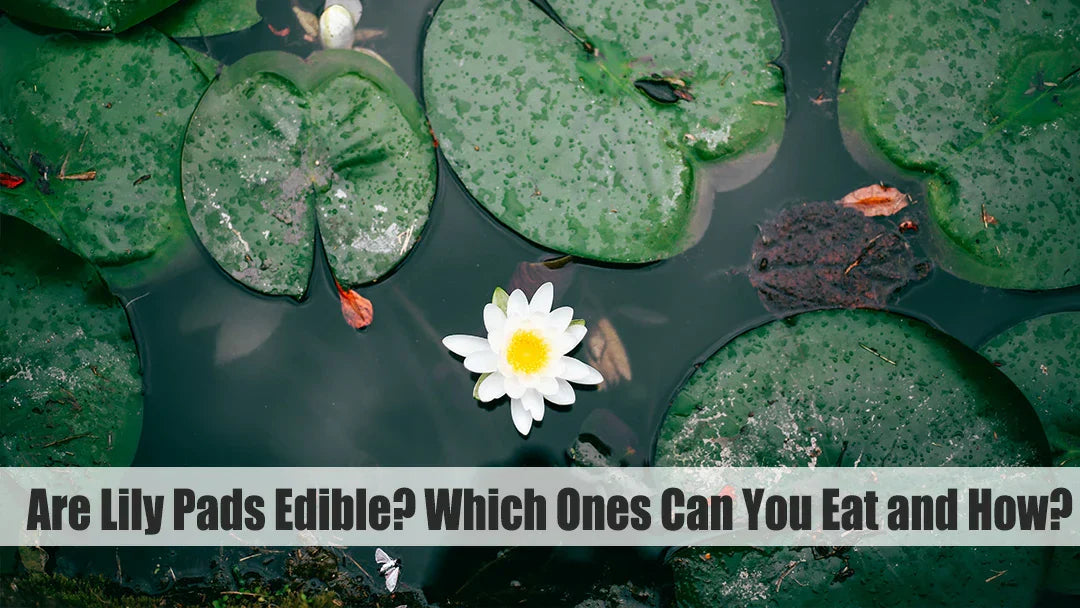
Aquatic plants that are edible often come as a surprise to many. They are often perceived to be harmful or simply ornamental. They are usually a subject of debate, and many often ask, "Are lily pads edible?" Well, they are, under certain circumstances. Another question that usually comes up is, "Are water lilies edible?" Well, they are, under certain circumstances. However, it is essential to understand that not all water lilies are edible, and some are even harmful. What are lily pads? What is the difference between water lilies and other aquatic plants?
The term "lily pad" is not a scientific term. It is simply a colloquial term used to refer to the leaves of water lilies that float on water. Water lilies are plants that grow on still water such as ponds, lakes, and rivers with a slow current. They have leaves that float on water with flowers that grow above water. Not all leaves that float on water belong to water lilies. They may be other aquatic plants that are edible or even harmful. Water lilies belong to a family of plants known as Nymphaea. They have a number of characteristics such as:
- Rounded or heart-shaped leaves
- Leaves that are split from the edges to the centres
- Night-blooming or day-blooming flowers
There are other plants such as Yellow Pond Lily (Nuphar), which are often confused with water lilies. They have thick leaves and different flowers. They are edible, but different rules apply.
When dealing with edible water plants, proper identification is a must. If you're not sure of a plant's identity, avoid eating it.

Which Water Lilies Are Edible? Are Water Lilies Poisonous?
This section will answer the most important questions regarding water lilies' safety.
Are Water Lilies Poisonous?
It is already established that true water lilies aren't poisonous. The only issues that may arise from eating water lilies are from eating the wrong part and/or failing to cook them properly. Water lily parts should be cooked before they're consumed because they may cause stomach problems if taken raw.
Water lilies have been a food source in many cultures. The key is in proper cooking. Water lilies can be cooked to remove any bitter taste and reduce any possible gastrointestinal problems that may result from eating them.
Which Parts of Water Lilies Are Edible?
It is established that water lilies can be a food source. The edible parts include:
- Water lily roots: Underneath the mud, water lily roots grow. They're probably the most commonly eaten edible water plant. Water lily roots can be cooked and have a mild flavour with a starchy texture.

- Seeds: Some water lily seeds can be cooked and consumed. They're small but packed with nutrients.

- Young water lily leaves and buds: Young water lily leaves and buds can be cooked and consumed as a vegetable. They're never taken raw.

Studies from agricultural extension services identified water lily plant parts traditionally consumed and cooked properly. To learn more, check this resource from Virginia Cooperative Extension: [Click to Read More]
Which Water Lilies Should Be Avoided?
Avoid water lilies from ornamental ponds, especially if you're not aware of their history. Some water lilies from gardens may be treated with chemicals. They're not meant to be food.
Also, avoid plants from polluted water. Water lilies absorb everything around them. Thus, if the water contains impurities like metals or other chemicals, then the plant may not be safe for consumption.
How to Safely Collect and Prepare Edible Water Plants
Just knowing that the plant you have found is safe for consumption is not enough. The handling of the plant also needs to be safe.
- Choose clean water. Always make sure that you are picking the plant from clean water. It's best to avoid roadside ponds or ponds with algae treatments, since chemicals are usually added to such ponds.
- Confirm identification. To ensure that you are picking the correct plant, it's best to consult books or experts about the plant you have found. Never rely on guessing, since this may lead to serious health problems.
- Harvest gently. When picking the plant, dig the roots gently to avoid damaging them. Then, rinse the roots thoroughly to get rid of the dirt that may stick to the roots. The inside should look firm and light in colour.
- Cook thoroughly. Cooking the plant is a must, since this will make the plant safe for consumption. Boiling or roasting the plant will also enhance its taste.
- Start small. Even though you are sure that the plant you have found is safe for consumption, it's still best to start small to avoid any adverse effects.
Safety Reminders
- Never eat plants from treated ponds.
- Do not eat unidentified species.
- Avoid large portions at first.
These rules apply to all edible aquatic plants, not just water lilies.
Conclusion
Are lily pads edible? Yes, they are, but under one condition: they have to come from the right plant and be prepared correctly. True water lilies have edible parts, but wrong identification or wrong preparation can lead to trouble. Knowing what you are picking is very important.
The state of water is also important. A healthy pond minimises risks of contamination and promotes healthy growth of plants. A simple pond maintenance tool, such as a solar-powered pond filter, can help you maintain good pond water with minimal maintenance. [Learn more here].
If you want to learn about other similar aquatic plants, you can check out our next article, where we compare two favourite pond plants: Lotus vs Water Lily.

P3203 20W 280GPH Solar Pond Filter Fountain
$119.99
Clean and oxygenate your pond with this 20W solar pond filter pump. Eco-friendly 280GPH flow ideal for small to medium backyard water features.
Frequently Asked Questions
Are Lily Pads Edible?
Yes, some are, but only from true water lilies and only some parts.
Are Water Lilies Poisonous?
No, they are not, but raw parts may cause stomach upsets.
Can I Eat Water Lilies?
Yes, you can, but only from ponds that are free of chemicals and pollution.
What Part of the Water Lily Do People Eat Most?
The most common edible part of the water lily is the root, but it has to be cooked.


Leave a comment
All comments are moderated before being published.
This site is protected by hCaptcha and the hCaptcha Privacy Policy and Terms of Service apply.