

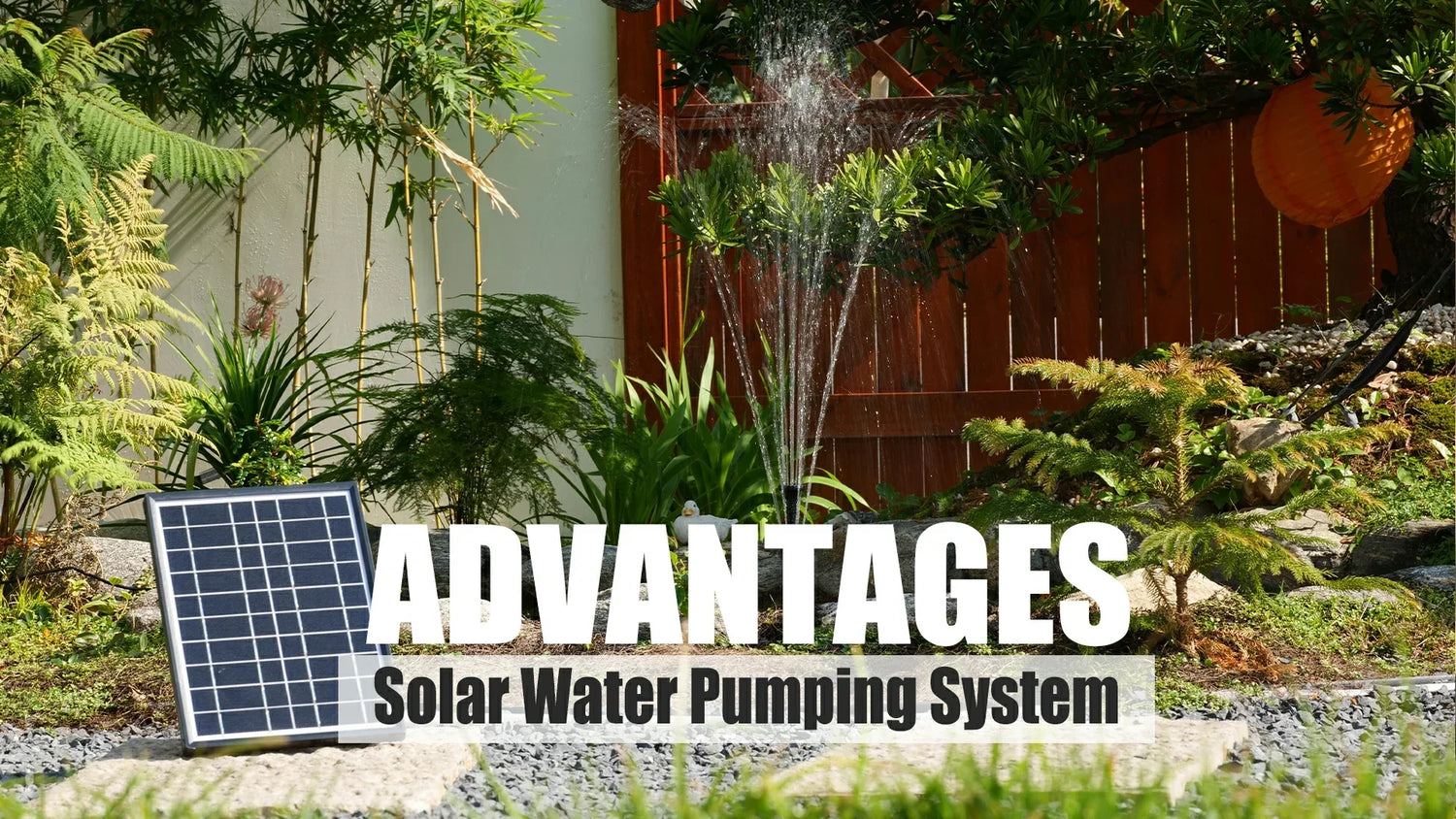
You want moving water in your garden-birds visiting at a lively bath, fish thriving in a clean pond, the soft roar of a waterfall to quiet the day-but you want to do it without adding noise, wires, or bigger bills. And that is why many people have been asking themselves the same question: is a solar pump strong and steady enough to power my water feature, and what are the advantages and disadvantages with solar water pumps in real life? Below, we will break it down clearly and practically, drawing on Poposoap’s product know-how and real-world use.
What Is a Solar Water Pumping System?
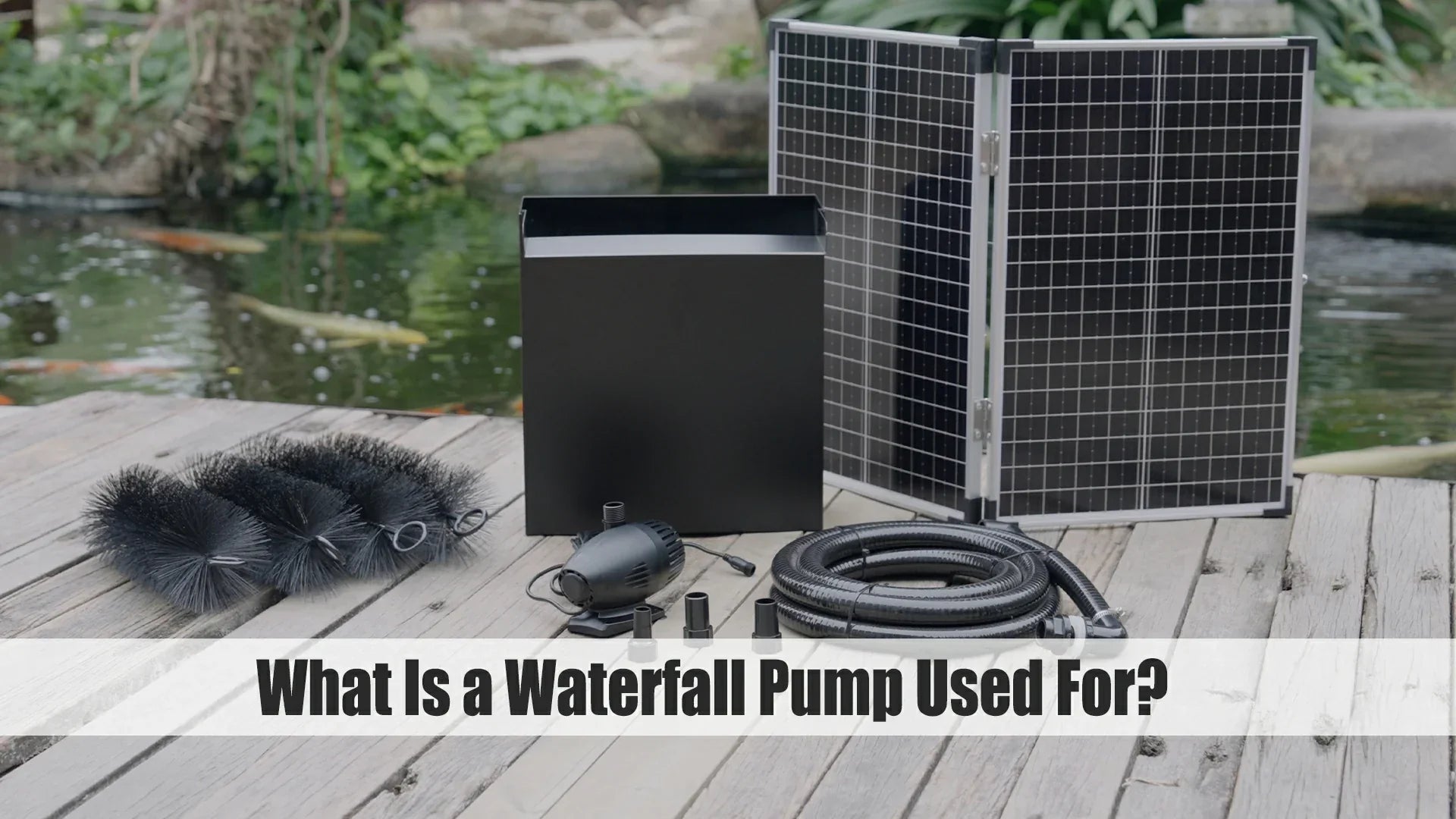
A solar water pumping system utilizes energy from the sun to power a compact, energy-efficient pump. These normally include a solar panel, a DC motor pump, and sometimes a battery pack that stores power for use in cloudy conditions and at night. Poposoap all-in-one solutions are designed for a variety of water features-from bird baths and decorative fountains to medium-sized ponds and small waterfalls, generally ranging from 40 to 680 gallons. For larger or taller installations, the higher-wattage versions marry expanded solar panels to more powerful pumps for the flow rate and lift your pond or feature requires.
Advantages of Solar Water Pumping Systems

1. Energy Independence with Reduced Operating Costs
The major advantage of a solar water pump is that it can function entirely on free sunlight. Once installed, there are virtually no ongoing expenses: no electricity bills, no refilling of fuel, and far less maintenance. While the initial set-up may be a bit expensive, the savings in the long run cover it easily. Fewer moving parts and no dependence on the grid mean one could rely on low-cost, year-after-year operation with a solar pump.
2. Cleaner, Quieter, and Safer
Solar pumps work silently and without any fumes, hence they are suitable for gardens, patios, or ponds where peace and nature are more important. Because they are low voltage, they are safe for use with children, pets, and wildlife. Equally, Poposoap has a similar view: to create simple, carefree garden products that bring joy and calm to people without harming the environment.
3. Designed to Fit Every Pond and Feature
Whether you run a small bird bath or a larger pond that needs steady water movement for healthy fish and plants, there's a solar pump to fit your needs. Poposoap's solar collection ranges from compact models for decorative features to higher-wattage systems capable of producing up to 680 GPH, suitable for ponds from just a few dozen gallons up to several hundred. Each one delivers efficient, natural circulation, powered completely by the sun.
4. Low Routine Maintenance
Brushless DC pumps and basic filter screens lighten the chore of upkeep. Clean the intake and filter media periodically, wipe the panel, and check connections—tasks usually taking only minutes, not hours. Third-party explainers consistently note advantages of solar water pumping systems include fewer service intervals and lower lifetime fuss.
Disadvantages of Solar Water Pumping Systems
Being fair about the disadvantages of various solar water pumping system choices will help you get a setup you'll love.
1. Sunlight Dependency
Performance decreases when the clouds linger or trees cast their shade. That is physics. You can mitigate this with a larger panel area, smart placement, and, where available, battery packs that store daytime energy for later. Poposoap offers battery options matched to different wattage tiers for exactly this reason.
2. Output Is Limited for Very Large or Continuous-Duty Jobs
Solar shines in small to medium features. Very large ponds, high head heights, or applications running hard around the clock may be better served by a hybrid-solar + AC-plan. Industry sources also underline the same trade-off: solar is brilliant for homestead and garden use while large-scale systems demand bigger arrays and budgets.
3. Upfront Hardware Cost
Quality solar panels and pumps cost more compared to the basic plug-in units at the start. Over time, though, the lack of electricity bills and low maintenance generally tip the math back in solar's favor-one of the more cited points when comparing solar water pump advantages and disadvantages.
How to Decide If a Solar Pump Is Right for You

Ask yourself three quick questions:
- Do you get several hours of decent sun on the panel site each day? You want to aim for unobstructed exposure and tilt roughly 30–45° toward the sun; you can adjust by season.
- What's the job? For bird baths, urns, patio bowls and small to mid-size ponds, solar is usually perfect. Poposoap's higher-wattage solar sets provide the flow and lift many backyard ponds require; for very large, deep or high-head installs, consider a hybrid.
- Do you value quiet, wire-light installs, and lower running costs? If so, solar aligns with the way you want to live and maintain your garden.
Maintenance Tips for Solar Water Pumps
- Keep the intake clean. Every couple of weeks (more often in leaf fall or algae season), lift the pump, rinse the screen and clean out the impeller cavity.
- Mind the panel. Dust and pollen reduce output. Wipe the glass and re-check the tilt and aim a few times per year.
- Use a pre-filter or a filter box. A simple filter box helps keep debris away from the pump, prolonging life and maintaining steady flow-Poposoap offers dedicated filter media solutions which neatly pair with its pumps.
- Winter care. In freeze-prone climates, remove and store the pump and, if necessary, protect plumbing until spring.
- Match accessories to scale: longer cables, nozzle kits, and compatible battery packs make placement easier and keep the look tidy.
Conclusion: Sustainable Water Power Towards a Greener Future
Switch to solar, and it's a lot more than just a technical upgrade; it's a gentler, more sustainable way of enjoying water in your garden. It brings quiet flow, lower energy costs, and a cleaner setup with minimal wiring while taking care of the planet. Be it a serene reflecting pool or a vibrant garden fountain, solar power enables you to create water features as beautiful as they are environmentally responsible. With Poposoap's thoughtful engineering and durable craftsmanship, every pump delivers the harmony you need: steady performance, long life, and seamless connection to the outdoors.

20W 280GPH Solar Water Fountain Pump
$86.99
Enjoy the best solar powered fountain for home gardens. This 20W adjustable pump delivers 280GPH flow—perfect for ponds, birdbaths, and patios.
FAQs — Solar Water Pump Pros and Cons
For many backyard ponds, yes. The upper solar tiers by Poposoap offer robust flow and lift suitable for hundreds of gallons when well-sized and positioned. Add filtration to keep your water clear and oxygenated.
Solar trades constant grid power for free energy and simpler maintenance. Electric offers consistent output regardless of weather but adds cords, noise, and ongoing utility costs—classic advantages of solar water pumping system vs. disadvantages of solar water pumping system considerations.
Solar can run in both the small-to-medium range. Poposoap offers floating fountain and compact waterfall kits in solar and AC formats, so you can have pure solar or mix the power types as your feature grows.

Leave a comment
All comments are moderated before being published.
This site is protected by hCaptcha and the hCaptcha Privacy Policy and Terms of Service apply.