

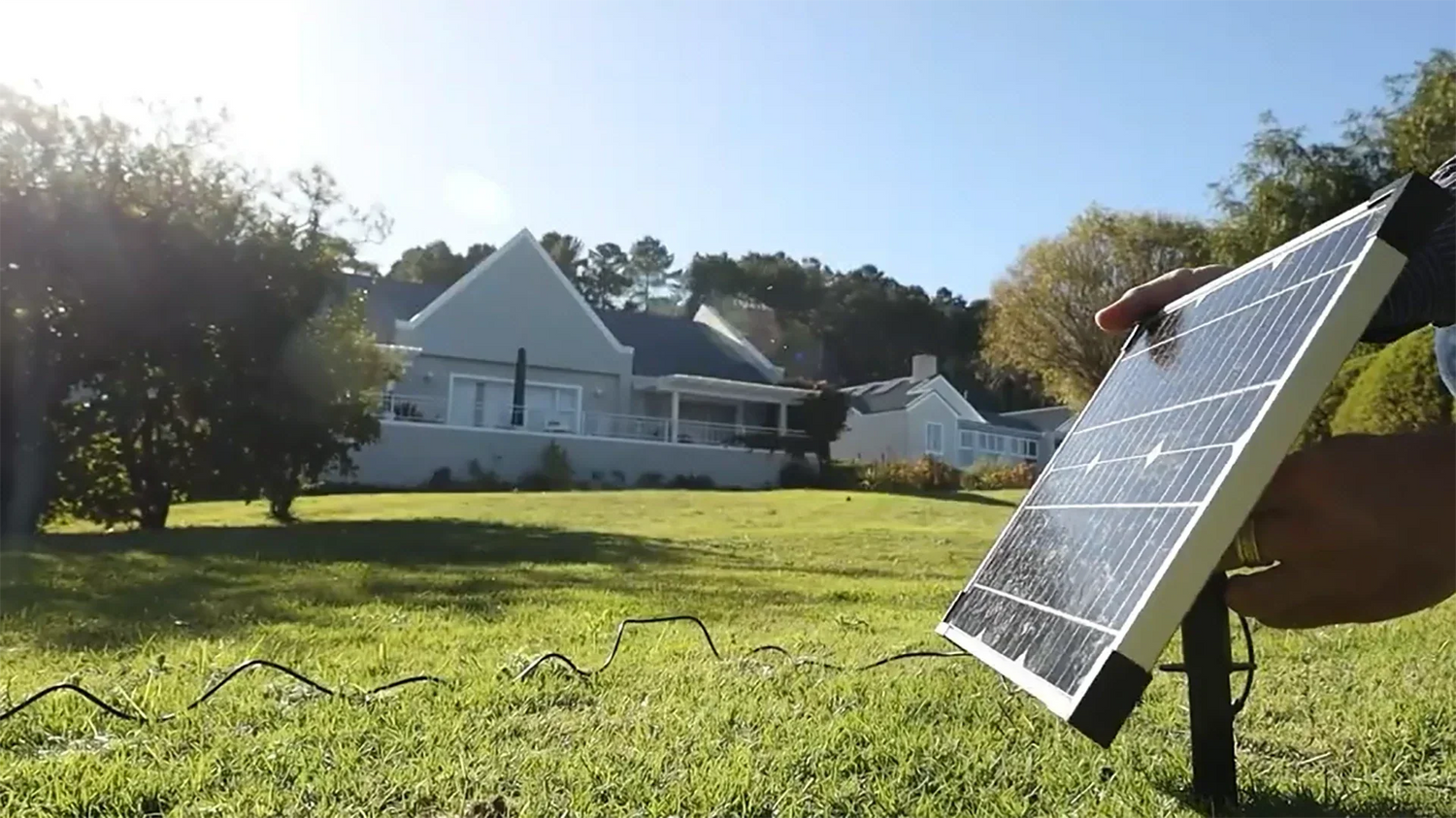
Solar pool pumps are suitable devices for pool owners who care for the environment and their wallets. These pumps rely on solar energy. As a result, they operate independently of the solar system. This means you do not need to draw power from the utility grid. As a result, the system is environmentally friendly. It also helps reduce the electricity costs you would otherwise incur.
Solar-powered pool pumps are effective for pools and can ensure the water is healthy enough to swim in. They consume less power than standard types of pumps. Solar pool pumps are becoming increasingly dependable. They are also more affordable than ever. As a result, they are an excellent choice for responsible pool owners.
How Do Solar Pumps Work?
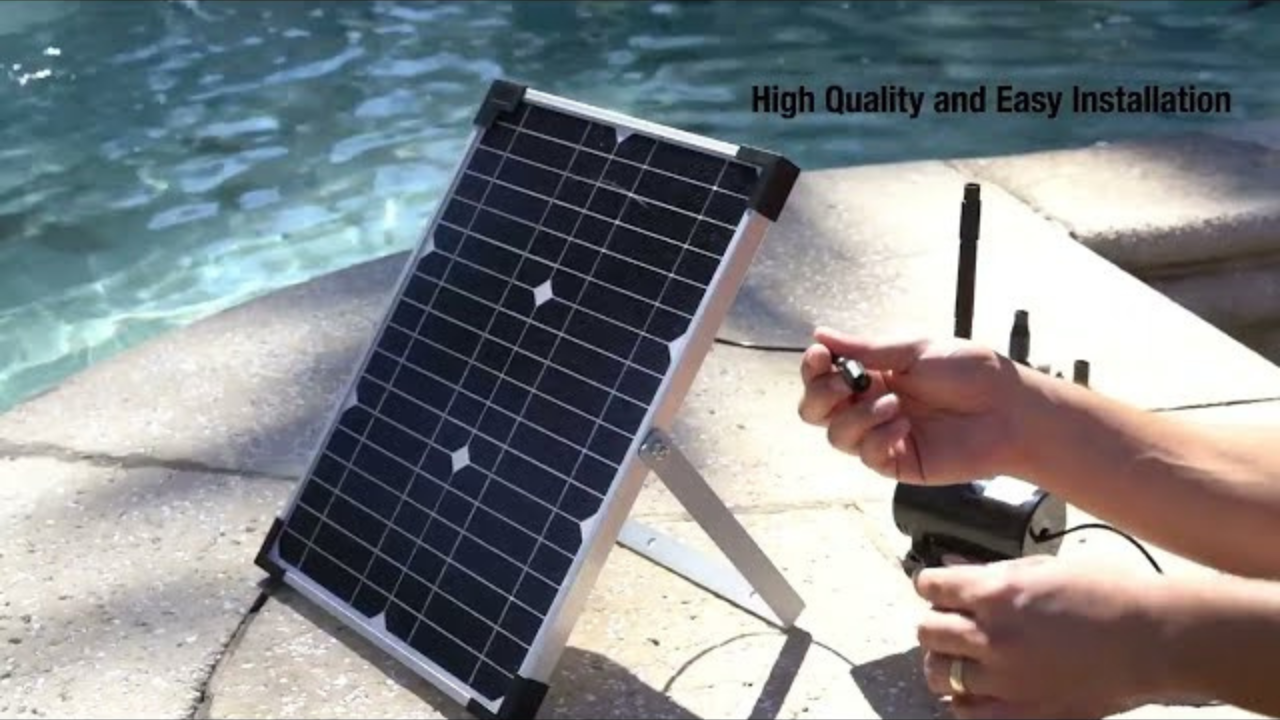
A solar pump uses solar power to move water. The solar panels are installed on a building’s roof. They capture sunlight and convert it into electricity for the system. This electricity makes a motor rotate, which in turn makes the pump function. The pump draws water from a well or a source and forces it up through the tubing.
Solar pumps are ideal for individuals who want to switch to renewable energy and reduce their bill payments. Another great feature is that they are great for use, especially in regions that experience enhanced sun exposure.
Benefits Of Solar Pool Pumps
Environmental Impact

Solar pool pumps are much more suitable for the environment than electric body pumps. Solar energy is a renewable source of energy, which makes it a natural resource that is never depleted.
This assists in reducing the emission of greenhouse gases that are now influencing climate change. Solar pumps do not require such noisy generators that are often associated with environmental pollution. When you opt for a solar pool pump, you are actually contributing to the improvement of the member environment.
Energy Efficiency

Solar pool pumps are very efficient when it comes to consuming power. Because they utilize the energy from the sun, they mean that you do not have to spend more cash on your electricity bills. The solar pumps typically incorporate special measures that enable them to consume less energy, including variable speed controls.
This implies that the pump can flexibly draw power depending on the amount of energy that is harvested from the sun. When you use a solar pool pump, you benefit from a clean and efficient way to heat your pool. At the same time, it helps you reduce your overall expenses.
Cost Savings

Solar powered pool pumps may cost more upfront than traditional electric pumps. However, they are more economical over the long term. They use minimal power, hence resulting in low electricity costs. You can also consult with your government to learn if you are entitled to any incentives or rebates towards the purchase of the pump.
Solar pumps also require limited maintenance, which can help reduce the expenditure on repairs or replacements. In general, solar pool pumps can be a relatively cheap method of heating your pool.
Reliability

Solar pool pumps are also very reliable and have a very long service life. They are designed to perform well under extreme weather conditions and can be used for years. Another advantage of solar pool pumps is their exceptional durability. They are designed to withstand long-term use. As a result, they can remain functional for many years.
Solar pumps have fewer parts than other types of pumps and are, thus, less likely to break down. This allows you to use the pool throughout the year without having to worry about unexpected issues.
Off-Grid Capability

Solar pool pumps are ideal for areas that may not be linked to the power network. A solar-powered pool pump can operate together with solar panels and a battery storage system. When combined, they provide a fully autonomous pool heating system.
This is very useful, especially in rural areas or regions that are often affected by power blackouts. Portable solar pumps can pump water to the pool and heat it, even in the absence of grid electricity.
Quiet Operation

Solar pool pumps are much quieter than the traditional electric pumps used in most homes. They do not require noisy generators or compressors. As a result, they operate quietly, allowing you to enjoy your pool without disruptive noise.
This is especially true if you live in an area that includes other houses or apartments or if your neighbors live close by. Solar pumps operate much quieter than conventional water pumps, making the environment outside the house friendlier.
Aesthetic Appeal
The benefits of using solar pool pumps include enhancing the beauty of the pool area. Solar panels are of different types and are flexible, and they can be installed at hidden places near the pool. This can give a better appearance and complement the style of other features in your outdoor environment. Solar pumps also have no issues with wires or cables, which makes the surroundings of the pool even more attractive.
Future-Proof Investment
Purchasing a solar pool pump is a good idea for the future. Solar technology is benefiting from growing demand. This increased demand is driving wider adoption. As a result, solar solutions are becoming more affordable. They are increasingly accessible as a form of renewable energy. These pumps operate by utilizing energy from the sun. As a result, they represent a capital investment. This investment can deliver benefits over many years. With a solar pool pump, you are sure of a future that is more economical and with less impact on the environment.
You are also contributing to the creation of a better environment a cleaner and greener planet for all.
Considerations For Choosing A Solar Pool Pump
Pool Size and Depth

When selecting a solar pool pump, consider the size and depth of your pool. Heating and circulating water in larger pools requires more force than the pump can provide.
Energy consumption depends on several variables, one of which is the volume of water in the pool. This suggests that deeper pools can retain heat for longer gear periods than less deep pools but may require a stronger pump.
Climate and Sunlight Exposure
Another factor to consider is the climate and how much actual sunlight is available in the location in question. Solar pumps are most effective in areas characterized by a high level of solar irradiation.
For instance, some regions have limited exposure to sunlight or are mostly cloudy. In these conditions, the pump’s efficiency may be reduced. You need to find out how many hours of direct sunlight your area gets. Also, check which nearby trees or buildings block the sun. The following information will assist you in selecting the correct size and power of the solar pump.
Desired Water Temperature

Another factor is how warm you want your pool water to be. If you want the water to be warmer, you will require a more powerful solar pump. The temperature you want will dictate the size and capacity of the solar panels that power the pump.
Another factor to consider is the region’s average temperature. You should also take into account how much it fluctuates over time. This will assist you in deciding the right size pump to provide you with the temperature you desire throughout the year.
Pool Usage
The frequency and duration of pool use will determine the pump that is required for a pool. If you are likely to use your pool more often or for longer durations, you need a more robust pump to maintain water temperature.
If you do not frequently use your pool, a smaller capacity and less horsepower pump may suffice. Consider the frequency of use, the size of your family, and all the activities you want to carry out in the pool.
Budget
The size, power, and brand can influence the first expense control of a solar pool pump. Before purchasing, it is advisable to have a budget in place. Consider annual savings on energy consumption and other potential benefits, such as discounted offers or rebates from the government.
If you take the time to consider your budget, you can choose the best solar-powered pool pump for your needs. This ensures it fits within your financial limits. You should also evaluate the potential return on investment. Using a solar pool pump can increase the value of your property. As a result, it provides both practical and financial benefits.
Maintenance Requirements
Solar pool pumps can operate for up to twenty-four hours a day. They are simpler to maintain than traditional pumps. This makes them a convenient choice for pool owners.However, several things must be done to ensure that you keep your solar pump.
These may include cleaning the solar panels, inspecting the pump for defects, and monitoring the filtration and water balance. When selecting a solar pool pump, consider whether you will be able to perform those maintenance tasks. You can also ask about certain professional cleaning services and their prices.
System Integration
If you have a solar panel or other renewable energy system, you can add a solar pool pump. This allows the pump to work seamlessly with your existing setup. This may allow them to minimize costs and the difficulty of the installation process. Consider whether the current solar pool pumps can be integrated into your system. Think about the benefits of using them. These include reduced reliance on the grid and improved efficiency.
Warranty and Customer Support
An extended warranty may make you feel more secure and safeguarded in the event of any issues with your car. You should also try to find out if the manufacturer has a good reputation. Pay attention to their customer care. Also, consider the service they provide for the specific product line. Having a reliable manufacturer is essential. They should be able to respond to clients and resolve any issues. Other important aspects to consider include technical support, repair services, and availability of replacement parts.
Troubleshooting Common Issues with Solar Pool Pump Installation

Inadequate Sunlight Exposure
One primary reason for the poor performance of solar-powered pool pumps is the lack of proper exposure to sunlight. To solve this problem, ensure that you critically look for any barriers that might hinder the solar panels from accessing sunlight. For example, trees, buildings, or some other object may create shade and thus decrease the amount of solar power obtained. Remove or rearrange any objects that may be interfering with light access so that you can get the most sun.
Cleaning also aims to remove debris, which may hinder energy production. Solar panels can be tilted or rotated to capture sunlight from different angles. Take time to ensure that you have aligned the panels to where the sun is most of the day.
If the current setup of the solar panels is not enough, more panels may have to be added to enhance power production. A professional solar energy consultant will assist you in deciding on which configuration will suit you best, depending on your geographical location and requirements.
Incorrect Wiring or Connection
Faulty connections or wiring may cause a number of issues, including the system not working correctly and even damage to the parts. It is also essential to check and ensure that all the electrical connections are correctly connected, as the manufacturer recommends. Closely note the polarity, as the incorrect one results in damage to the equipment.
The electrical part, particularly the wiring and connections, can be easily confusing; therefore, it is advisable to seek the services of a professional electrician. A professional can check the system and determine what needs to be adjusted or fixed so that it runs correctly and safely.
Pump Priming Issues
There are additional problems that may cause the pump not to work as expected, referred to as pump priming issues. Valves are the first things to look at when priming issues arise, and every valve must be opened and working as required. This can also be a result of closed valves that may limit the amount of water supply and hinder the pump from priming. Then, check the pump basket for any blockages that may limit the flow of water during the priming process.
Instruct the patient to remove the pump basket and look inside to see if any objects hinder water flow. If you notice any debris, remove it and ensure that you wash the pump basket properly.
If it is still not priming, there could be air in the system, and it may be necessary to bleed it. This can be done by opening a bleed valve or air release valve so that compressed air can be released. When the air has been let into the system, the pump should be able to prime and run as expected.
Insufficient Water Flow
A number of factors can lead to a low flow of water, ranging from improper design of the water system to damage or corrosion of the pipes. There are numerous factors that could cause this problem, but one of them is a blocked filter. Blocking of filters can hinder the flow of water to the pump and result in decreased efficiency. A floating solar powered small pool pump and filter should also be checked and cleaned often to make sure that it is free from dirt and is functioning well.
If the above solar-powered pool filter and intake line are free from obstruction, there might be a problem with the pump speed. If the pump's current speed is high, it can be lowered a little, and the effect on water flow can be seen. Reducing the pump speed on some occasions could help to reduce pressure and enhance water flow.
Noise or Vibration
Any form of noise or vibration indicates an issue with the solar pool pump. When an instrument is making a particular noise or vibrating, begin by finding if the components are loose. Make sure the pump, motor, and pipes are well fixed in the area where they are required. Haphazardly arranged components tend to make noise and vibrate.
If the components are secure, examine the pump impeller for damage—an impeller on a pump that is damaged or worn badly will poorly generate noise and vibration. If possible, clean it; if not, replace the impeller. In the event that you are unable to ascertain the source of the sound or movement, you are advised to seek the services of an experienced mechanic. A professional would be able to identify the issue and sort it out as well.
Overheating
Heating issues may affect the pump motor and, in extreme cases, lead to the shortening of the motor’s useful life. To avoid this, one should inspect the pump motor to ensure that it is not getting very hot. If the motor is hot, this could be an issue.
Check the status of the pump’s ventilation to determine if there is sufficient air circulation. Lack of adequate ventilation systems causes heating. If necessary, augment airflow around the pump. If it is still overheating, an attempt should be made to minimize the load on the pump. This can be achieved either by lowering the flow rate of the material or the pressure. Lightening the burden on the pump is a great way to ensure it does not overheat and also lasts longer.
Inefficient Solar Panel Performance
The sub-optimal output of the solar panels results in inefficiency in the utilization of your solar-powered pool pump system. To solve this problem, you should clean the panels often to ensure they are not covered with dirt, debris, or bird droppings. These substances can, in a way, minimize the amount of heat or light that the panels can receive.
Furthermore, the solar panels should be examined to see if there is possible damage like cracks or broken glass on the surface. Defective panels may significantly affect the efficacy of the photovoltaic system. If you notice any defects, it may be advisable to replace the damaged panel or panels.
System Compatibility Issues
Another challenge is when the solar pool pump, the solar panels, and the other related components are incompatible with one another. In case of compatibility issues, it is pertinent to read the manufacturer’s instructions and guidelines. Make sure that pieces of equipment or software are integrated and can meet your requirements.
If you have doubts about systems' compatibility, seek professional help from a specialist. A professional can assist you in choosing the right components and advise you on how to install and configure them appropriately.
Conclusion
Solar pool pumps are a good choice for pool heating because they are sustainable and save money. They help reduce our reliance on fossil fuels and make the environment cleaner. Solar pumps also save a lot of energy, which can help you save money on your energy bills.
They are reliable, durable, and need very little maintenance. By choosing a solar pool pump, you can enjoy the benefits of a clean, efficient, and environmentally friendly way to heat your pool.
Enhance Your Pool Experience with Poposoap’s Solar Pool Pumps!
At Poposoap, we offer high-quality solar pool pumps that provide you with an energy-efficient and eco-friendly solution for heating your pool. Our solar pool pumps not only help reduce electricity costs but also allow you to enjoy the perfect water temperature while minimizing your environmental impact.
Explore our range of solar pool pumps today and choose the perfect product to enhance your pool heating system, helping you say goodbye to high electricity bills and enjoy an environmentally friendly pool!
(Related Reading: How Many Solar Panels to Run a Pool Pump)

20W 280GPH Solar Water Fountain Pump
$86.99
Enjoy the best solar powered fountain for home gardens. This 20W adjustable pump delivers 280GPH flow—perfect for ponds, birdbaths, and patios.
FAQs
The time required depends on factors such as pool size, desired water temperature, and available sunlight. In general, solar pool pumps heat pools gradually over several days, especially in sunny conditions.
Yes, solar pool pumps can still operate during cloudy weather. However, heating efficiency may be reduced depending on cloud cover and sunlight duration.
A backup power source is not always necessary, but it can be helpful in areas with frequent power outages or limited sunlight. The decision depends on your location and pool usage needs.
Yes, solar-powered pool pumps can be used with saltwater pools. It is important to choose a pump designed with salt-resistant materials, as saltwater can be corrosive.
Maintenance includes cleaning the solar panels, checking the pump for wear or damage, and ensuring proper filtration and water balance. Following the manufacturer’s maintenance guidelines helps extend the pump’s lifespan.

Leave a comment
All comments are moderated before being published.
This site is protected by hCaptcha and the hCaptcha Privacy Policy and Terms of Service apply.