

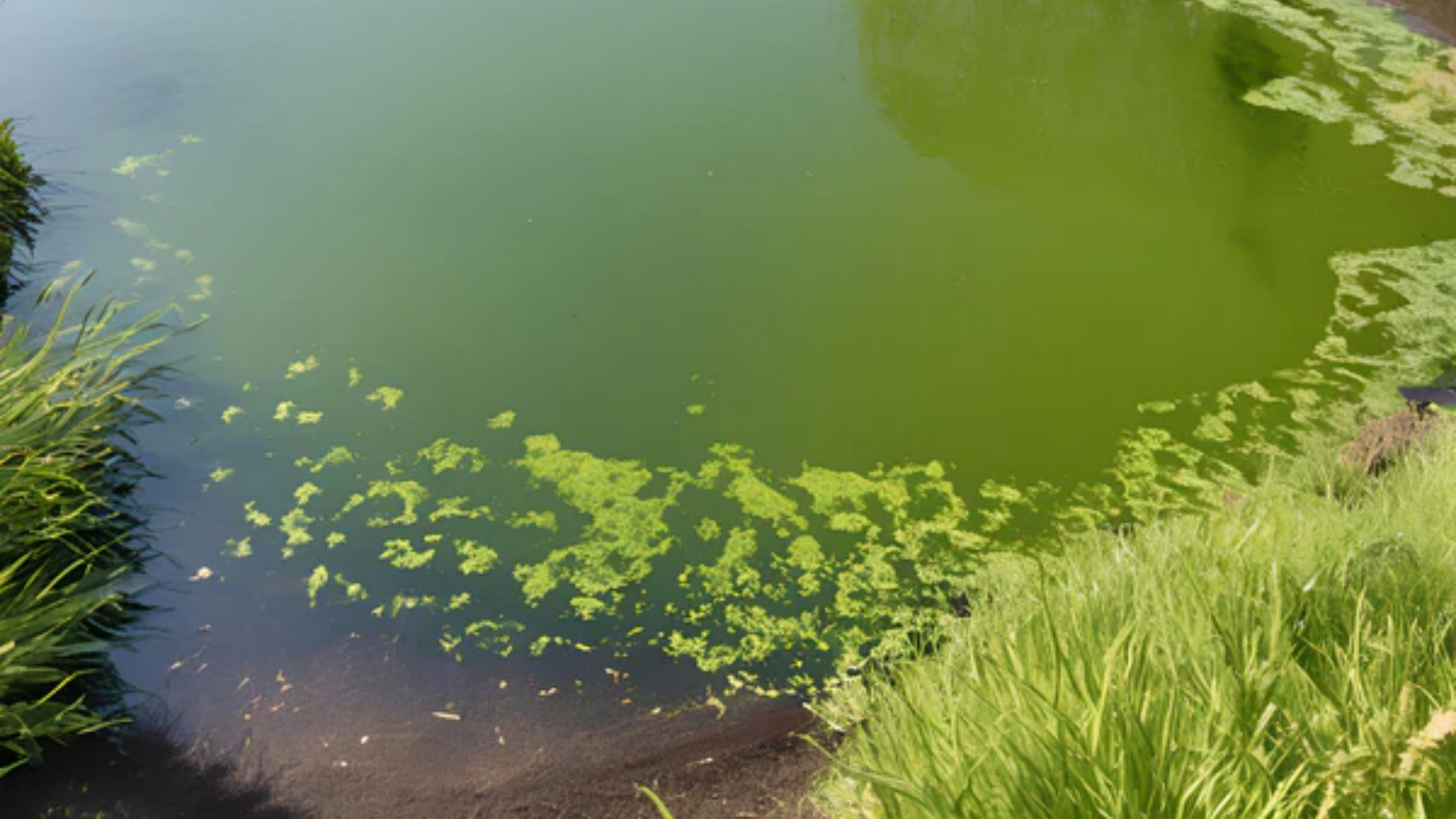
Algae in ponds are a natural part of any healthy pond ecosystem. However, when green algae in ponds become excessive, it can turn your once clear and tranquil water feature into a murky, green mess. The key to maintaining a balanced pond is not to eliminate algae entirely. Instead, the goal is to keep algae at a manageable level. In this guide, we’ll explore how to treat and control both floating algae in ponds and string algae. We’ll also share practical algae prevention tips to help ensure a clean, healthy water feature.
Understanding Pond Algae

Before diving into treatment methods, it’s essential to understand that algae in ponds comes in two primary forms:
- Suspended Algae: These are single-celled algae that float freely in the water, often turning it green and cloudy. This type of green algae in ponds is commonly referred to as “pea soup” due to its murky green appearance.
- String algae, also known as filamentous algae, grows in long strands. It attaches to surfaces such as rocks, plants, and pond equipment.
Both forms of algae on pond surfaces thrive in environments with excess nutrients and sunlight. Proper pond management involves keeping these factors in balance.
Treating Suspended Algae
Suspended algae, also known as floating algae in ponds, can turn the water green and make it look unsightly. Fortunately, there are several effective ways to manage and control its growth.

Use Algaecide
For immediate relief from green algae in ponds, consider using an algaecide, such as Aquascape Algaecide. This treatment quickly eliminates suspended algae blooms, helping to restore water clarity. Always read and follow the application instructions carefully. For better results—especially in warmer weather—consider adding a pond aerator to boost oxygen levels. This can also help reduce the risk of rapid algae growth.
Install a UV Clarifier
If green water algae persists, add a UV clarifier. Devices like the Aquascape UltraKlear® UV Clarifier use a high-output UV bulb. As water passes through the system, the UV light eliminates single-celled algae. UV clarifiers are effective in preventing and controlling floating algae in ponds without the need for chemical treatments.
Improve Filtration with a Pond Filter

Proper pond filtration is crucial for balancing the water and preventing algae on ponds. If your pond lacks sufficient filtration, adding a filter like the POPOSOAP Pond Filter can help. This filter traps debris and also includes a UV bulb to eliminate suspended algae. As a result, it helps keep the water clear and supports a healthier pond environment.
Treating String Algae
String algae, or filamentous algae, can be more challenging to deal with due to its tendency to cling to rocks, plants, and other surfaces. However, there are several methods to treat and prevent algae in ponds that grow in this form.
Use Contact Granular Algaecide
To eliminate string algae directly, use EcoBlast™ Contact Granular Algaecide. This product can be sprinkled directly onto affected areas such as rocks and waterfalls. It works quickly to remove unsightly algae in ponds. It’s effective in all water temperatures. For best results, turn off the water feature before applying the treatment.
Install an IonGen™ System
For more persistent issues with string algae, consider installing an Aquascape IonGen™ System G2. This system uses a microprocessor-controlled ion-producing probe to kill and prevent filamentous algae in pond growth. The IonGen™ system is compatible with ponds that contain fish and plants. It’s also a cost-effective option for long-term algae prevention.
Preventing Algae Growth
Prevention is the best long-term strategy for controlling algae ponds. By managing sunlight exposure, nutrient levels, and water quality, you can stop algae in ponds from taking over.
Manage Sunlight Exposure
Excess sunlight can encourage the rapid growth of both suspended algae and string algae. To reduce sun exposure, add aquatic plants such as water lilies, which provide shade on the pond’s surface. Floating plants like water hyacinths are also effective in shading the water and reducing green algae in ponds.
Plant marginal plants like water iris, pickerel, and aquatic mint around the pond edges. These plants can provide extra shade. These plants also compete with algae for nutrients.
Control Nutrient Levels
Algae in ponds thrive on nutrients in the water, particularly from fish waste and uneaten food. To prevent excess nutrients:
- Avoid overfeeding: Feed your fish only the amount of food they can consume in five minutes. Remove any uneaten food after feeding to prevent nutrient buildup.
- Avoid overstocking fish: A common mistake is having too many fish in the pond, which can lead to increased waste production. As a rule of thumb, allow at least 10 gallons of water for every inch of fish in the pond.
Check for External Nutrient Sources
Nutrients from outside sources, such as lawn fertilizers or stormwater runoff, can contribute to algae growth in ponds. These inputs can be a major factor in what causes algae problems. Check for leaks or runoff paths around your pond. These can carry unwanted chemicals or nutrients into the water.
It’s a Balancing Act
Controlling algae ponds is about maintaining balance. Excess nutrients and too much sunlight are the main culprits behind rapid algae growth. By managing these factors through proper pond care, filtration, and prevention methods, you can keep algae under control. This helps you enjoy clear, healthy water.
Conclusion
Algae in ponds are a natural part of any aquatic ecosystem, but when left unchecked, they can become problematic. Start by understanding the two main types of algae: suspended algae and string algae. With effective treatments such as algaecides, UV clarifiers, and pond filters, you can restore your pond’s balance. Additionally, proactive measures can help prevent algae from overgrowing in ponds. Manage sunlight exposure, control nutrient levels, and add aquatic plants.
With the right mix of treatment and prevention, you can keep your pond clear and healthy year-round. It will remain a beautiful part of your outdoor space in every season.
Keep Your Pond Healthy and Clear with Poposoap’s Premium Pond Products!
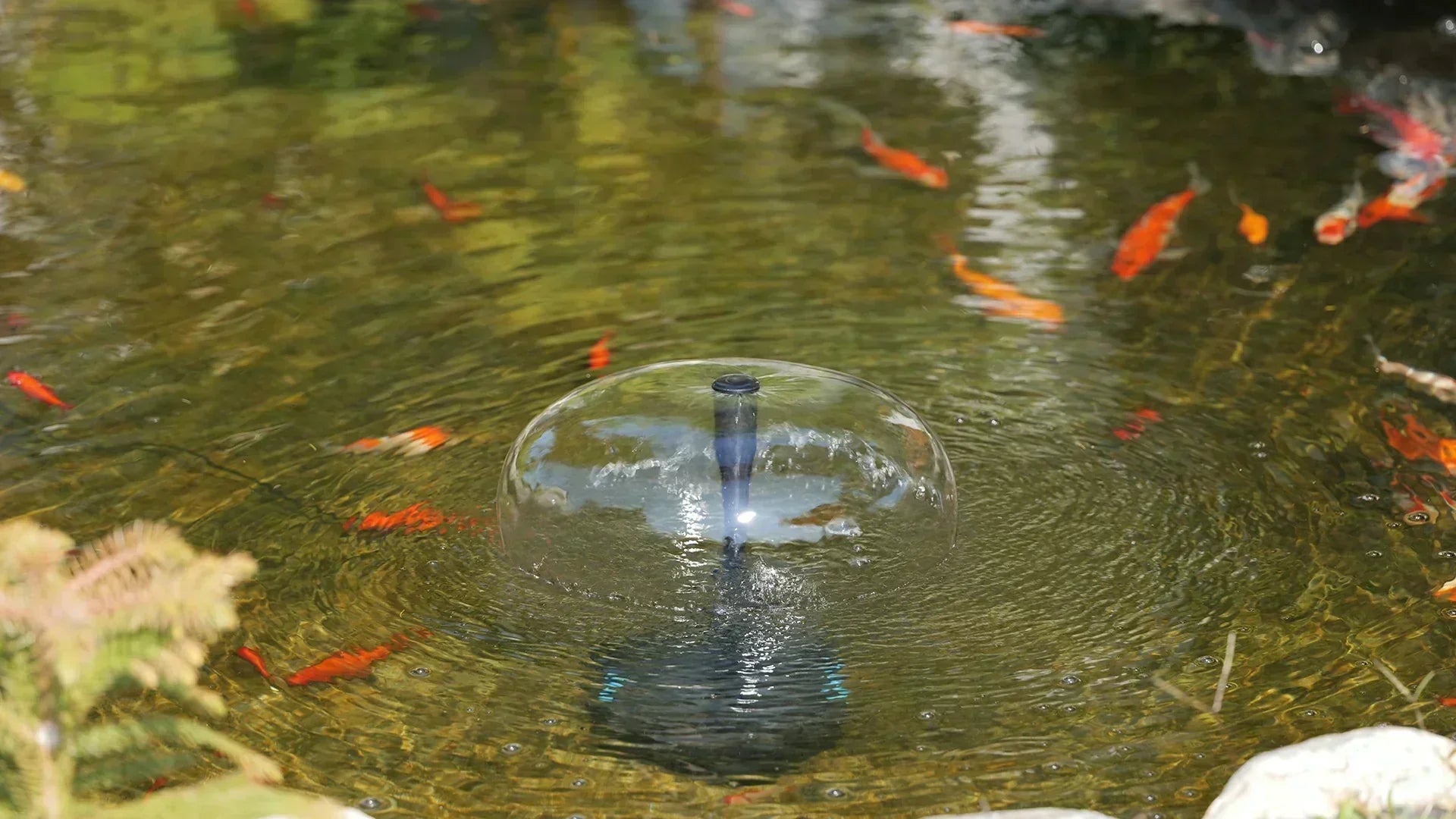
At Poposoap, we offer high-quality pond filtration systems, algae control solutions, and water care products. They’re designed to help you maintain a clean, clear pond environment. Whether you need UV clarifiers, pond pumps, or algaecides, our products are built to tackle algae growth. They help keep your pond healthy and beautiful.
Explore our pond care products today. Enjoy a clear, vibrant water feature that enhances your outdoor space.
(READ MORE: Effective Pond Algae Control: Tips and Solutions)

P2300 40W 660GPH AC Pond Filter Fountain
$89.99
Keep your pond water clean and healthy with the P2300 AC pond filter fountain. A complete pond pump and filter system for effective, long-lasting pond filtration.
FAQs
Excess algae growth in ponds is mainly caused by too much sunlight and high nutrient levels. Fish waste, uneaten food, fertilizer runoff, and poor filtration all contribute to algae blooms.
Suspended algae are single-celled and float freely in the water, turning ponds green and cloudy. String algae grow in long strands attached to rocks, plants, and pond surfaces.
Long-term control requires proper filtration, UV clarification, balanced feeding, and managing sunlight with aquatic plants. This combination keeps algae at a manageable level without harming fish or plants.
FAQs
Algae in ponds are mainly caused by excess nutrients and too much sunlight. Fish waste, uneaten food, fertilizer runoff, and long hours of direct sun all create ideal conditions for algae growth.
No. Algae are a natural part of a healthy pond ecosystem. The goal is not to eliminate algae completely, but to keep it at a manageable level so your pond stays clear and balanced.
For green water caused by suspended algae, the most effective solutions are UV clarifiers, proper pond filtration, and aeration. These methods clear the water without harming fish or plants.
Prevent string algae by reducing excess nutrients, adding shade with aquatic plants, improving filtration, and maintaining regular pond care. Long-term solutions like ionization systems can also help control regrowth.
Yes. Poposoap pond filters and pumps are designed with fish-safe, low-voltage motors and pond-friendly filtration systems, making them safe for koi, plants, and backyard wildlife.

Leave a comment
All comments are moderated before being published.
This site is protected by hCaptcha and the hCaptcha Privacy Policy and Terms of Service apply.