

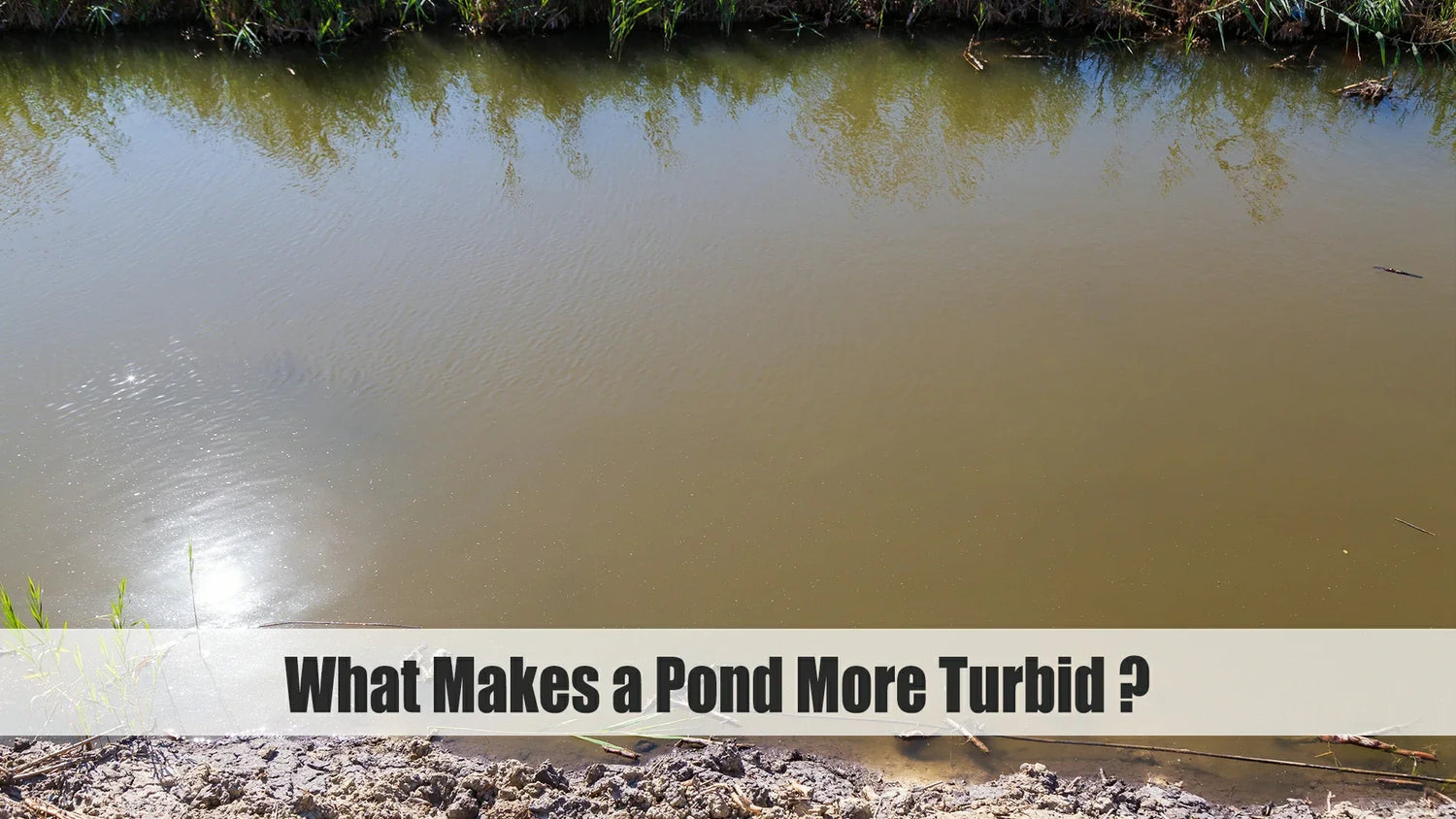
If your pond suddenly looks cloudy, murky, or "muddy," then you have turbid water-one of the most common concerns for any pond owner. Be it a small backyard pond, a water garden with fish, or a larger landscape pond, turbidity can make the water look unhealthy and uninviting. More importantly, it may signal underlying issues that affect pond water quality, fish health, and the overall ecosystem.
The good news? Turbidity is highly fixable once you know what's causing it. With the right water movement, filtration, and long-term maintenance supported by solutions with an ecological focus, such as Poposoap solar fountains, pond filters, and waterfall kits, clarity can be restored and the pond kept in balance.
This guide explains why pond water turns turbid, how it affects your pond, and the most effective solutions for long-lasting water clarity.
Introduction - Understanding Turbid Water in Ponds
"Turbid water" describes cloudy or discolored pond water due to suspended particles. Particles that can cause this include:
- Clay or soil sediment
- Organic debris-leaves, algae, plant matter
- Algae blooms
- Microorganisms
- Disturbed bottom sludge
A milky, brownish, greenish, or cloudy appearance in a pond's water normally signals an interruption in the usual balance of the ecosystem. Turbidity prevents sunlight from reaching aquatic plants, reduces levels of oxygen, and impacts the health of fish and beneficial bacteria.
Healthy ponds, like those described in the ecological approach to garden water features, rely on oxygen, filtration, and circulation as key components that prevent turbidity.
Common Causes of Turbid Water in a Pond

Cloudy water can originate from a variety of sources. The most common include:
1. Sediment Disturbance
All of these can send fine particles into suspension: wind, rain, fish activity, or animals stirring up bottom debris.
2. Algae Blooms
Green algae blooms can turn the color of water bright green.
Often triggered by:
- Excess nutrients
- Warm temperatures
- Stagnant water
- Overexposure to sunlight
3. Organic Waste Accumulation
Decaying leaves, fish waste, and sludge introduce suspended particles and feed algae.
4. Poor or inadequate filtration
Poor filtration does not allow proper settlement or breakdown of debris.
Poposoap pond filter kits use multi-stage mechanical and biological filtration, which can help improve water clarity greatly.
5. New Pond Syndrome
Freshly built ponds experience turbidity caused by unsettled sediment and immature bacterial colonies.
6. Runoff and External Contamination
Turbidity and nutrient loading increase when rainwater washes soil, mulch, or fertilizer into your pond.
How Turbidity Affects Pond Water Quality
| Category | Specific Impacts | Effect on Ecosystem |
|---|---|---|
| Oxygen & Plants | Sunlight: Prevents light from reaching submerged plants. | Photosynthesis: Lower oxygen production, potentially leading to fish kills. |
| Fish Health | Physical Irritant: Suspended particles can clog or injure fish gills. | Stress & Disease: Reduced resistance to disease and slower growth rates. |
| Feeding | Limits Visibility: Sight-feeding fish (like Bass or Bluegill) cannot see prey. | Foraging Failure: Predators lose weight, species that feed by feel (like Carp) may dominate. |
| Temperature | Heat Absorption: Darker, turbid water absorbs more solar radiation. | Thermal Stress: Warmer water holds less dissolved oxygen, further stressing fish. |
| Reproduction | Siltation: Settling sediment can smother and suffocate fish eggs. | Habitat Loss: Fills in spawning beds and reduces nesting success. |
| Contamination | Pollutant Carrier: Bacteria, metals, and nutrients (like Phosphorus) "stick" to sediment. | Toxic Risks: Increases risk of waterborne pathogens and harmful algal blooms. |
Murky water is an aesthetic issue, but it has direct implications on the overall quality of pond water.
1. Reduced Oxygen Levels
Floating particles block sunlight, limiting photosynthesis in water plants and thus reducing oxygen levels available for the fish.
2. Increased Risk of Fish Stress
Fish need clear and oxygen-rich water. Turbidity can lead to:
- Difficulty breathing
- Weakened immunity
- Lower growth rates
3. Rapid Algae Growth
Murky water normally signals excessive nutrients resulting in accelerated algae blooms.
4. Poor Filtration Efficiency
If water contains too much debris, the filters clog faster, which makes circulation systems work harder.
Products like solar fountains and waterfall kits increase oxygen transfer and circulation, which can promote water clarity and microbial balance.
How to Test Pond Water Quality

Regular testing of your pond water provides early insight into developing problems.
Key parameters to test:
- Ammonia - high levels indicate waste accumulation
- Nitrites/nitrates are indicative of nutrient imbalance.
- pH - should be maintained within healthy limits
- Water Hardness GH & KH - Affects bacteria stability
- Dissolved oxygen: indicates whether fish and microbes can survive
You can use:
- Test strips
- Liquid test kits
- Digital meters (for more accurate readings)
Testing can help determine whether turbidity is related to poor filtration, excess nutrients, or an imbalance in biological activity.
Solutions to Reduce Turbidity and Clear Pond Water

1. Improve Water Circulation
Stagnant water traps debris and encourages algae.
Solar fountains, floating fountains, and waterfall kits oxygenate the water and circulate it to prevent a buildup of suspended particles.
Poposoap water-movement tools are designed with ecological balance and clarity in mind.
2. Install or Upgrade Filtration
A good filtration system removes debris and supports beneficial bacteria.
Multi-layer foam pads and biological media are employed in a Poposoap pond filter for capturing the particles and decomposing the waste.
3. Add Beneficial Bacteria
Bacteria reduce nutrients, degrade sludge, and therefore improve clarity and stabilize water chemistry.
4. Minimize Sediment Disturbance
You can add substrate or rocks to the bottom to catch particulate matter that may float into the water column.
5. Eliminate Excess Organic Material
Skim floating debris, trim plants and vacuum sludge from pond bottoms.
6. Limit Nutrient Inputs
Avoid:
- Overfeeding fish
- Fertilizer runoff
- Excessive plant decomposition
Nutrients feed algae, which is one of the major causes of turbidity.
7. Add Aquatic Plants
Competition for nutrition with algae plants, besides assisting with the stabilization of oxygen cycles.
Long-term prevention of turbid water

Once the water of your pool clears, continued care is what keeps it so.
1. Ensure the Water Keeps Moving Constantly
Solar fountains and waterfalls keep oxygen and prevent stagnation all year round.
2. Regular Cleaning of Filters
Dirty filters decrease efficiency and allow debris back into the pond.
3. Balance Fish Stocking and Feeding
Too many fish, or too much food, degrades the water quality rapidly.
4. Reinforcing Pond Edges
Minimize erosion and runoff of soil using stone or plants.
5. Monitor Water Quality Monthly
Testing helps catch issues before they result in turbidity.
6. Support a Healthy Bacterial Environment
Biological media, such as those found in Poposoap filter systems, promote stable microbial colonies which maintain clear water.
Conclusion – Keep Your Pond Water Clear and Healthy
Turbid water usually indicates that some adjustment in the natural balance of your pond is necessary but clarity restoration, with the right strategies, is easy. You can keep your pond’s water clean and bright, along with the ecosystem, by increasing aeration, upgrading filtration, adding beneficial bacteria, and preventing sediment and nutrient overload.
Some of the most excellent eco-friendly tools for maintaining a clear pond include Poposoap solar fountains, waterfall kits, pond filters, and floating fountains. The Poposoap products incorporate beauty and sustainability into water features to support the health of your garden ecosystem.
READ MORE: Keep Your Fish Pond Clear and Refreshing

P3203 20W 280GPH Solar Pond Filter Fountain
$119.99
Clean and oxygenate your pond with this 20W solar pond filter pump. Eco-friendly 280GPH flow ideal for small to medium backyard water features.
Turbid Water and Pond Quality FAQs
Probably as a result of sediment disturbance, algae bloom, or excess organic waste.
Yes, they do. Fountains help increase oxygen and circulation, which allows suspended particles to settle.
Prolonged turbidity can lower oxygen and stress fish.
Absolutely, Poposoap solar pumps keep water moving while being sustainable without electrical wiring.
Most ponds improve within days to a few weeks, provided that proper aeration and filtration are applied.


Leave a comment
All comments are moderated before being published.
This site is protected by hCaptcha and the hCaptcha Privacy Policy and Terms of Service apply.