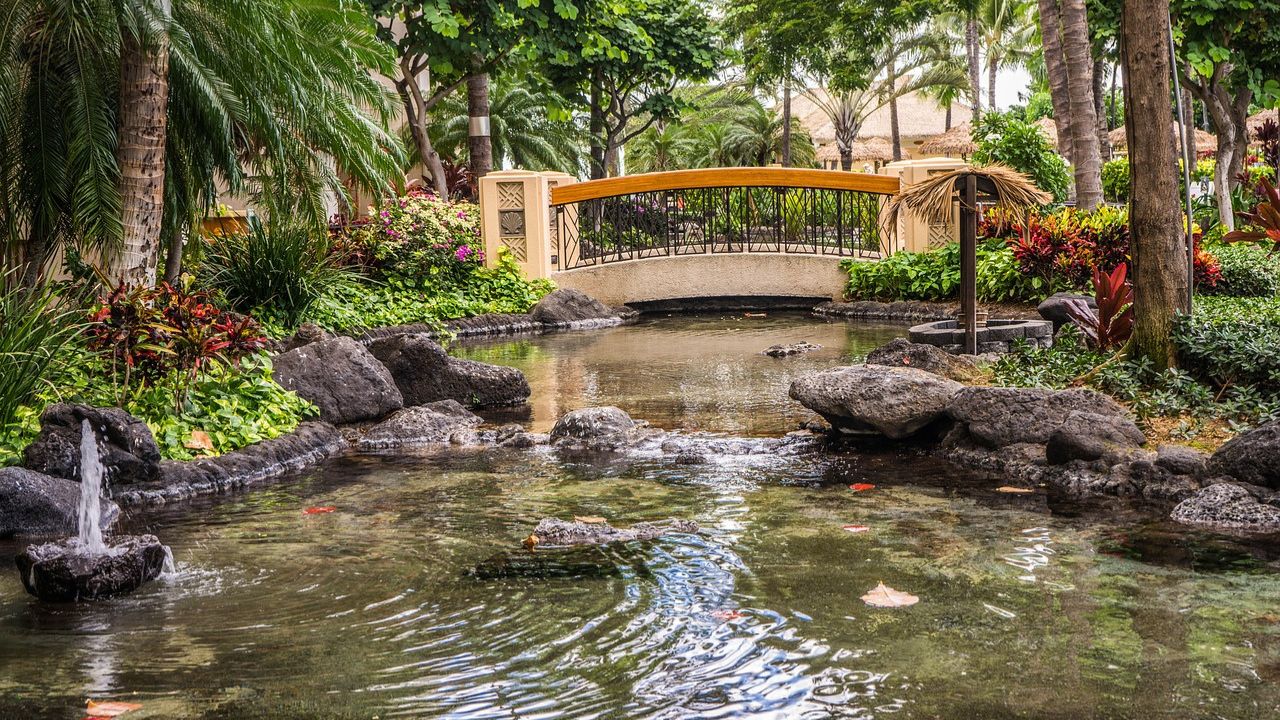

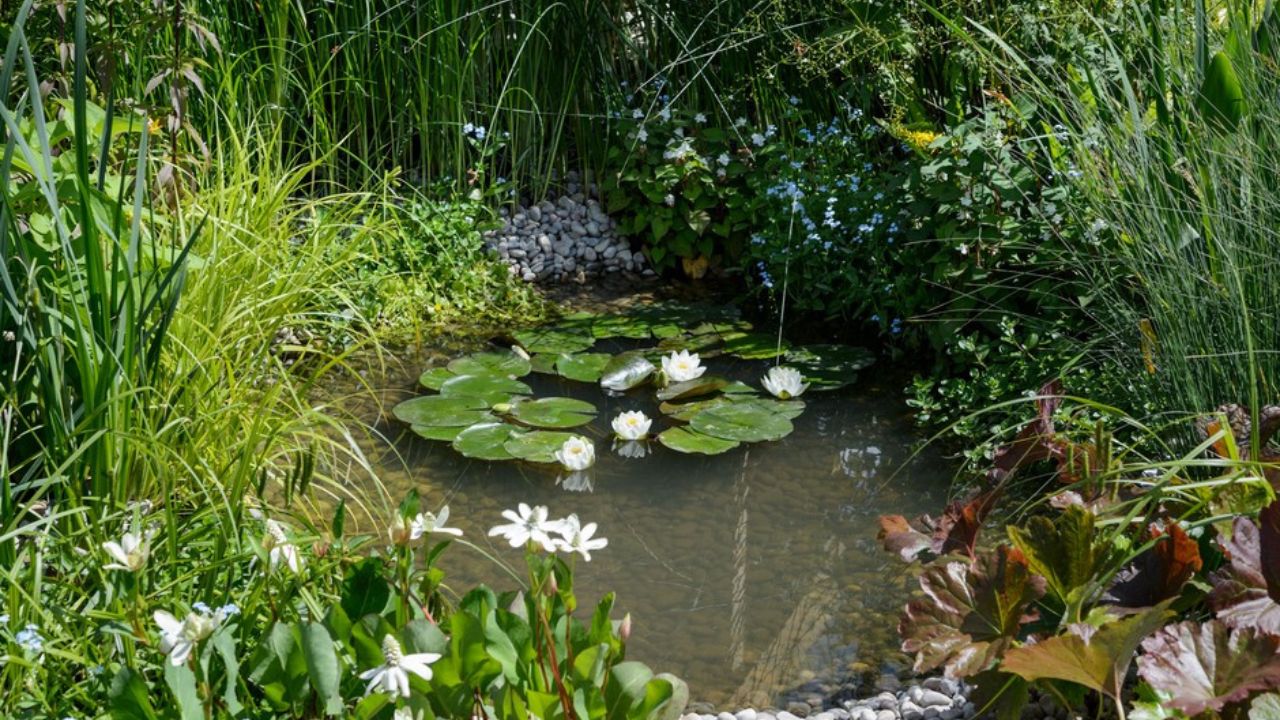
Creating a serene and inviting pond environment involves choosing plants along the water's edge. Besides being aesthetically pleasing, plants also contribute to the overall health of your aquatic ecosystem. With the right variety of vibrant flowers and lush greens, this can offer the right habitat for wildlife to improve water quality and develop a barrier against erosion naturally. In this article, we will review some of the top picks for waterside plants to make that edge of the pond a wonderful, thriving haven.
The Role of Waterside Plants in Pond Design
Stabilizing the Shoreline: The roots of waterside plants help anchor the soil along the pond's edge, reducing erosion and preventing sediment from washing into the water.
Improving Water Quality: Absorbing excess nutrients, particularly nitrogen and phosphorus, these plants help to keep the water clean and clear of algae.
Wildlife Habitat: Plants around the pond edge provide habitat, food, and breeding grounds for everything from fish and amphibians to birds and insects.
Aesthetic Appeal: From the soft rustling of grasses to the bright-colored blooms of flowering plants, waterside plants bring texture, color, and seasonal interest to the landscape of your pond.
Creating Privacy and Shelter: Some water features will provide a natural barrier for privacy and shade to immediately surrounding areas of the pond, creating the ideal peaceful retreat.
Top Waterside Plants for Your Pond's Edge
You choose just the right plants for around the edge to balance the ecology, but enhance your water garden as well. This list highlights some of the most popular waterside plants for ponds. The plants are grouped by type. The list also explains the main characteristics and features of each plant. They include:
1. Creeping Jenny (Lysimachia nummularia)

Creeping Jenny is a low-growing perennial that does very well along the edges of ponds, forming dense mats of bright green foliage. Small, yellow flowers are produced during summer, adding color to the water garden border.
- Planting Tip: An evergreen that loves to be in moist soil, though it will tolerate sun to partial shade. It will thrive in shallow water, making it ideal for the extreme pond edge.
- Design Tip: Plant a groundcover plant like Creeping Jenny around the edge of the pond. This plant can spread naturally over the area. It also creates soft, cascading edges that flow over rocks and other landscaping features.
2. Water Iris (Iris pseudacorus)

Tall and stately, Water Iris is a gorgeous plant with tall, sword-like leaves and bright yellow flowers in the spring to early summer. By virtue of its habit of growing upright, it brings height and drama to the pond's edge, creating a contrast in vertical scales with low-growing groundcovers.
- Planting Tip: Water Iris prefers full-sun to partial shade and grows best in moist to shallow, wet soil. Plant this in water no deeper than 4-6 inches (10-15 cm).
- Design Tip: Group Water Irises together on pond edges for a natural, wildflower look. Their bright yellow flowers will catch your eye and create a focal point in your garden.
3. Pickerel Weed (Pontederia cordata)

Pickerel Weed is an ornamental aquatic plant with heart-shaped leaves, striking purple-blue flower spikes that start to bloom mid-to-late summer. This plant grows up to 3 ft. (90 cm) tall and performs very well at adding both vertical interest and color at the pond's edge.
- Planting Tip: Pickerel Weed does very well in shallow water with full sun to partial shade. This plant can be planted along the edge of the pond in water that is roughly 6-12 inches (15-30 cm) deep.
- Design Tip: Team Pickerel Weed with other tall, flowering plants such as Water Iris for layered effects along a pond's edge, or plant it in the center of attention to draw looks with its showy flowers.
4. Marsh Marigold (Caltha palustris)

The Marsh Marigold is a perennial plant known for its bright yellow flowers that bloom in early spring. The large, rounded leaves of this plant along with the colorful blooms make it the perfect plant to add some cheer to the springtime pond's edge.
- Planting Tip: Marsh Marigolds like moist, rich soils and shallow water. They are great for the pond's edge where the water level may fluctuate or remains pretty low.
- Design Tip: Place Marsh Marigold at waters edge to achieve an early-season color splash, interplant with other later-blooming plants for a sequence from early season through summer.
5. Soft Rush (Juncus effusus)

Soft Rush is a type of native, clump-forming, grassy plant with thin, straight-acicular, upright stem elements. It is 3 feet (90 cm) tall and ideal for adding texture in a vertical fashion to the edge of the pond
- Planting Tips: While its movement provides, often when all other types of plants are still, gentle motion. This plant likes full sun to partial shade and is perfect for planting along shallow water or moist soils. It can tolerate both wet and dry conditions.
- Design Tip: Use Soft Rush in mass plantings to create a natural-looking buffer between the pond and surrounding landscaping. Its upright form contrasts beautifully with broader-leaved plants and adds visual interest.
6. Sweetflag (Acorus calamus)

Sweetflag is a unique, aromatic plant with grassy, sword-like leaves that can grow up to 4 feet (1.2 meters) tall. Its distinctive scent adds another layer of sensory appeal to your pond’s edge.
- Planting Tip: Sweetflag accepts full sun to partial shade and has everything from full submergence to dry land as an appropriate depth range. It is commonly grown on saturated or boggy locations and can grow on sites that have water level fluctuation.
- Design Tip: Sweetflag serves as an accent in the pond's edge, adding texture and even fragrance. The upright growth supports the softer plants that cascade over the edges, like Creeping Jenny.
7. Blue Lobelia (Lobelia siphilitica)

Blue Lobelia is a perennial with bright, true blue flowers late in the summer. It grows upright to about 2-3 feet (60-90 cm) and flourishes in the moist soils along a pond's edge.
- Planting Tip: Plant Blue Lobelia in partial shade with moist, well-drained soil. Plants can be placed along the water's edge where the soil is consistently damp.
- Design Tip: Bright flowers of the Blue Lobelia look great against green foliage and other flowering plants. Plant in groups for dramatic display, or as an accent near other plants for a cohesive design.
Creative Ways to Integrate Waterside Plants into Your Pond Design
With this list of great waterside plants, here are some creative ways to use them in your pond's design:
1. Layering and Grouping
Plants of different heights and textures can be combined for dynamic effect. Taller plants, such as Water Iris and Pickerel Weed, create a beautiful background around the pond. Shorter plants, like Creeping Jenny and Blue Lobelia, fill the front area. Together, these plants create layers and add depth to the pond landscape. This layering adds depth and creates a more natural, cohesive appearance along the edge of your pond.
2. Screening with Plants
Aquatic plants can also be grown for privacy screening. If your pond is in an open area or beside a pathway, choose taller upright plants such as Soft Rush or Sweetflag. These plants can provide a sense of privacy around the pond. At the same time, they do not completely block the beautiful view of the water.
3. Softening the Transition
The edge is often where the water and land meet in sharp contrast. Soothe this edge with waterside plants that help to merge the water feature into the landscape. Plants like Creeping Jenny and Marsh Marigold will spill over rocks and feather the edge, providing a softer transition from water to land.
4. Color Accents
To make the edge around the pond pop, select plants with varied flower colors that bloom at different times of the year. For example, you can place the yellow flowers of Marsh Marigold next to the purple flowers of Pickerel Weed. You can also combine them with the blue blooms of Blue Lobelia. These color combinations create a bright and attractive pond landscape. This will add a multi-seasonal, continuous display of color.
Give Your Pond's Edge an Upgrade with Waterside Plants
Plants around the edge of your pond will highly contribute to the look of it and health. Choosing attractive and useful waterside plants can create a colorful and lively garden pond. These plants also add texture and help maintain ecological balance. Some plants help stabilize the shoreline. Others improve water quality. Many plants also make the garden more beautiful. No matter what your main goal is, choosing the right waterside plants can make a big difference in your pond design.
Carefully selected plants can greatly improve the appearance of a pond. Well-placed plants make the pond edge more beautiful and dynamic. They also add depth, movement, and life to the water garden. As a result, the pond becomes more natural and visually interesting.
Enhance Your Pond Naturally with Poposoap
At Poposoap, we believe your pond should be as alive and beautiful as the nature surrounding it. Our curated pond kits, eco-friendly accessories, and expert guides help you design lush waterside edges that support healthy ecosystems, attract wildlife, and bloom year-round.
READ MORE: The Ultimate Guide to Floating Aquatic Plants for Your Pond

P3203 20W 280GPH Solar Pond Filter Fountain
$119.99
Clean and oxygenate your pond with this 20W solar pond filter pump. Eco-friendly 280GPH flow ideal for small to medium backyard water features.
Frequently Asked Questions
What are the benefits of waterside plants?
They stabilize soil, clean water, support wildlife and boost beauty.
Where should I plant waterside plants?
Plant them in moist soil or shallow water along pond edges.
How to design pond edges with plants?
Layer tall and short plants for texture, color and natural looks.